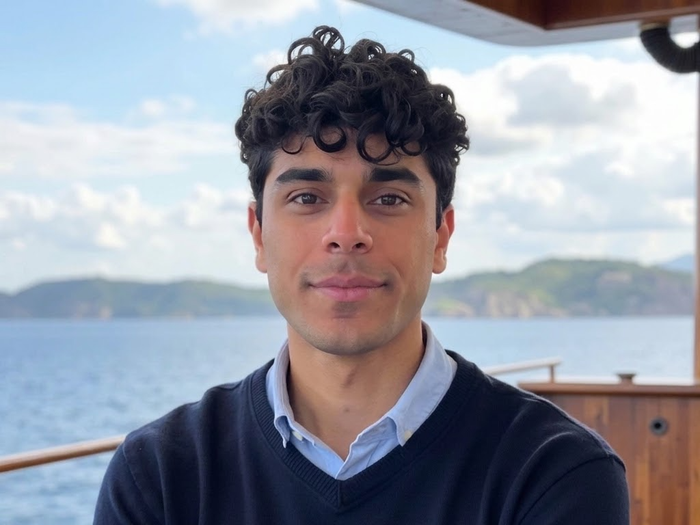
Ibrahim Noon, a 20-year-old associate at the venture capital firm Forerunner, shared his journey into the world of venture capital without prior industry experience. Raised in Pakistan on a small farm, Noon developed an early interest in influential figures, both from history and Silicon Valley.
Early Exposure to the US
Noon’s first encounter with the United States occurred through a remote research program with Stanford’s Graduate School of Education. He worked on augmented and virtual reality projects to teach environmental science. At 17, Noon entered the University of California, Berkeley, where he pursued studies in economics and data science.
Building Skills and Experience
During his time at university, Noon interned at KPMG focusing on carbon markets. He then moved on to a brokerage firm in Miami and worked in sales for Morgan Stanley in New York. These experiences helped him improve his communication skills, transforming him from a tech enthusiast into someone comfortable engaging with people.
Afterwards, Noon left his internship early to venture into startups. Although he didn’t pursue these ventures in the long term, he gained valuable insights from interacting with customers and developing products from the ground up. This experience sparked an interest in the other side of the business — venture capital.
A Growing Interest in Venture Capital
With his startup projects concluded, Noon found himself drawn to venture capital. His professors and peers recognized this interest, often seeking his input before approaching venture capitalists. Throughout his college years, Noon built informal relationships with investors. While working on his first startup, he connected with Afore Capital, referring potential founders from his network to them. This role as a connector appealed to Noon.
Joining Forerunner
After his graduation from UC Berkeley, Noon received a return offer from Morgan Stanley. However, he was intrigued by a tech VC associate position at Forerunner, although the application period had closed. Undeterred, Noon crafted a detailed email, résumé, and a one-page investment thesis, investing significant effort into his application.
The interview process with Forerunner required Noon to leverage his network. He presented a case study that detailed his connections, highlighting how Forerunner could benefit from these relationships. Noon’s thesis centered on establishing relationships with young and emerging founders before they launched successful companies.
Networking Strategies
Noon emphasizes the importance of meaningful connections over sheer quantity. He advises attending events, hackathons, and conferences to foster these relationships. A practical tip he offers is using his LinkedIn QR code as his phone’s lock screen, facilitating quick connections at events.
Noon’s approach includes proactive outreach, a practice he honed during his Wall Street internship where he sent numerous messages daily. He embraces the notion that not all communication will yield responses, but this persistence can open opportunities.