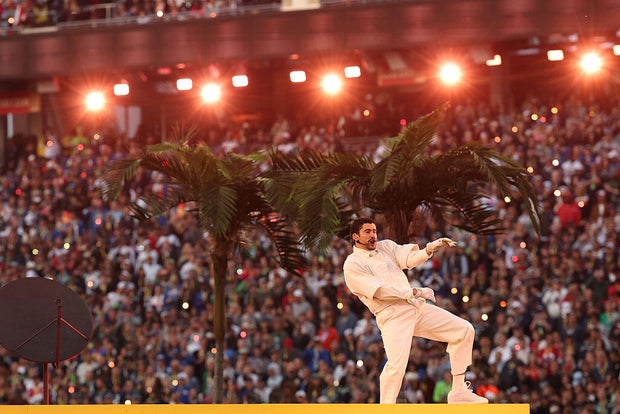
The recent Super Bowl LX was a major financial success for the NFL, although the halftime headline performer, Bad Bunny, did not receive a substantial payout. The event pitted the Seattle Seahawks against the New England Patriots, offering a thrilling spectacle beyond the football field.
Halftime artists traditionally earn union scale compensation, which, in this instance, translates to roughly $1,000 per day based on the Screen Actors Guild-American Federation of Television and Radio Artists union’s latest contract. Despite this modest earnings estimate, it’s noteworthy that the NFL covers expenses for the performers, which often reach into the millions of dollars.

Bad Bunny, whose real name is Benito Antonio Martínez, expressed his enthusiasm for participating in the Super Bowl halftime show during a press event hosted by Apple Music. He referred to the event as “a huge party” and conveyed his desire to infuse the performance with elements of his cultural heritage.
This performance occurred on the heels of Bad Bunny’s recent success at the Grammys, where his album “Debí Tirar Más Fotos” won Album of the Year, marking the first instance of an all-Spanish-language record receiving this accolade.
Massive Audience Engagement
While monetary compensation for halftime performers is limited, the exposure is immense, with around 100 million viewers typically tuning in. This attention can greatly enhance Bad Bunny’s exposure, likely boosting his streaming numbers and ticket sales.
Even those not particularly interested in football often watch the Super Bowl for the year’s compelling commercials. The competitive airtime costs advertisers up to $10 million for a mere 30-second commercial, according to Bloomberg News.
An Alternative Viewing Choice
Simultaneously, Turning Point USA, a conservative activist organization founded by Charlie Kirk, organized an alternative event called “The All-American Halftime Show.” Streamed on YouTube and other platforms, it featured performances by artists like Kid Rock, providing viewers with a different halftime experience focused on “faith, family, and freedom,” as per a statement by Andrew Kolvet from Turning Point USA.
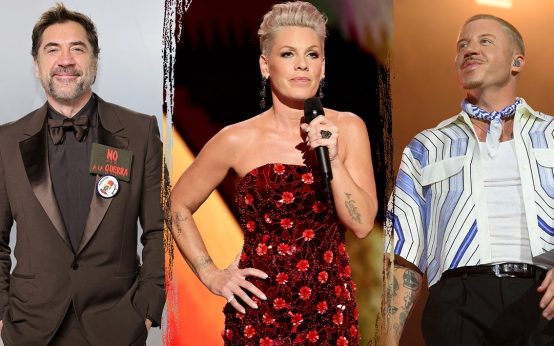 Javier Bardem Faces Backlash Over Pink’s UNICEF Controversy
 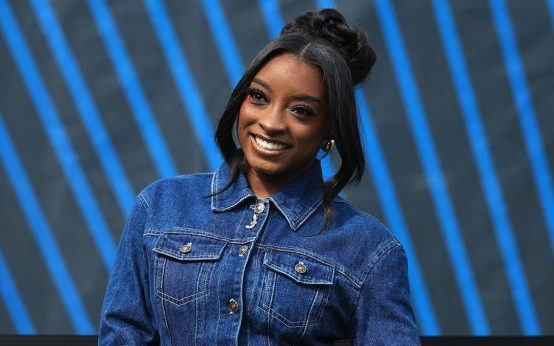 Discussion on NFL Draft Comparison and Simone Biles’s Car Issue
 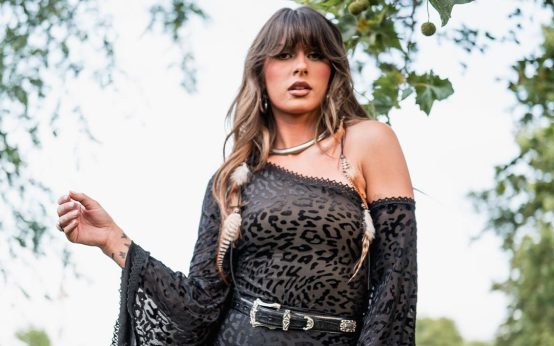 Ella Langley Makes Billboard Hot 100 History with ‘Choosin’ Texas’
 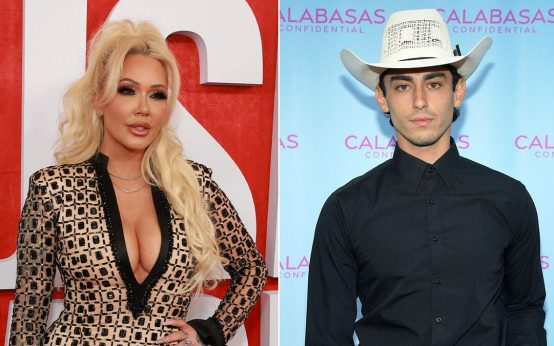 Bunnie Xo’s Post-Divorce Adventures Spark Debate Over Age Gap
 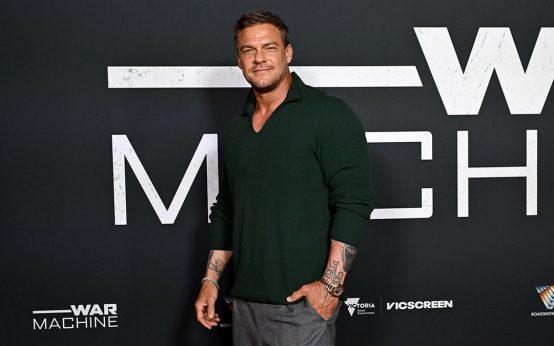 Alan Ritchson Faces Backlash Over Political Remarks
 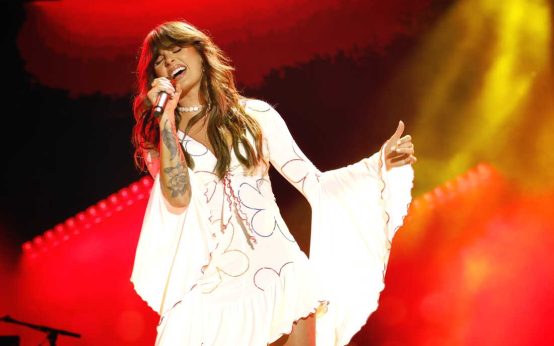 Ella Langley’s Record-Breaking Chart Success: The Rise of ‘Choosin’ Texas’