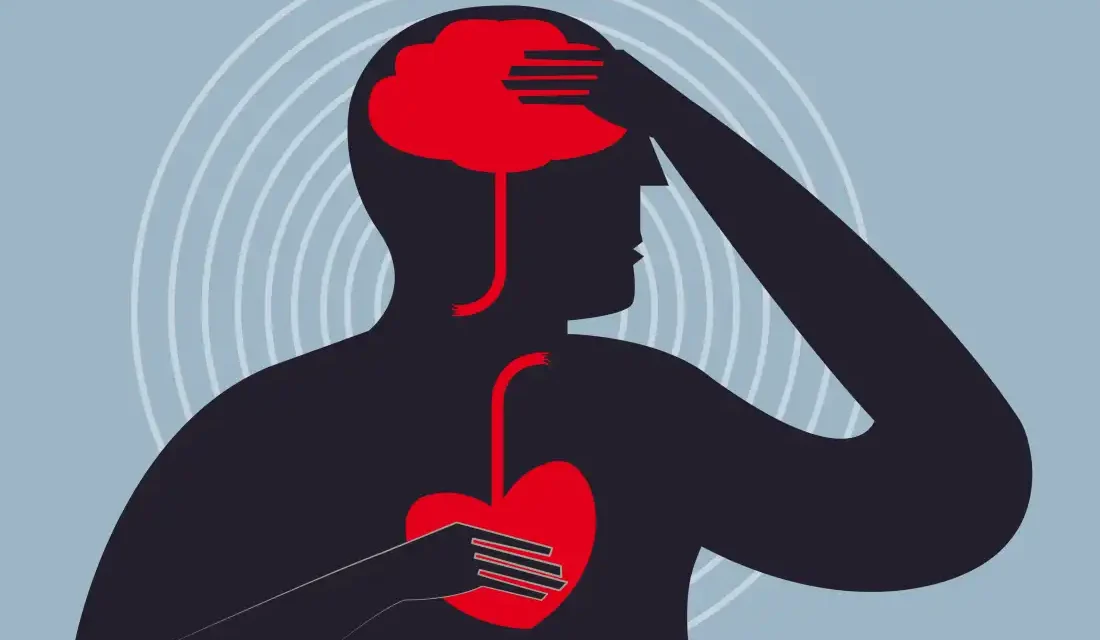
Researchers announced an experimental drug aimed at preventing heart attacks and strokes failed a critical test. The drug, designed to reduce a blood particle linked to heart disease, did not protect study participants as anticipated.
Dr. Steven Nissen, a cardiologist from the Cleveland Clinic who led the study, expressed surprise at the results. He noted the continuous high incidence of cardiovascular disease, which remains a leading cause of death in developed nations. The study hoped to aid those maintaining healthy lifestyles but still experiencing heart issues.
This research focused on individuals with elevated levels of lipoprotein(a), a cholesterol-carrying protein thought to heighten heart disease risk. Nissen emphasized the widespread nature of this condition, affecting around 20% of the global population.
Nissen and colleagues involved 8,350 adults in the trial, comparing a placebo with the drug pelacarsen, which significantly lowered Lp(a) levels by 78%. Despite this reduction, the anticipated cardiovascular benefits did not materialize after five years.
The study’s initial results were shared at an American Heart Association meeting in Chicago, and more information was published in the New England Journal of Medicine. Although Novartis, the study’s sponsor, acknowledged unmet expectations, they stressed the study’s value in understanding Lp(a) and heart disease better.
“Progress in science depends on pursuing challenging questions and studies,” Novartis stated, highlighting their dedication despite the unsatisfactory results.
Experts conjecture about why the drug failed, including the possibility that high Lp(a) might not directly cause heart attacks but rather indicate another risk factor. Other theories suggest longer or earlier treatment could be necessary, or that the drug might only aid those with higher Lp(a) levels.
Some specialists believe pelacarsen’s ineffectiveness might stem from issues specific to this drug, not the broader concept of Lp(a)-lowering treatments. Other pharmaceutical companies, such as Amgen and Eli Lilly, are also developing similar drugs, with their studies’ results due in the coming years.
“The take-home message is the story’s not over; it’s kind of just starting,” said Karol Watson, a cardiologist from UCLA.
 Impact of Fake Smiles on Happiness
 Democratic Doctors and Scientists Enter Congress with New Agendas
 A Mother’s Journey with Her Newborn Son
 Popular Drinks Linked to Heart Attacks in Young Adults
 Illinois Faces Potential Ban on Hemp-Derived THC Products
 State Board Approves New Lurie Children’s Hospital in Downers Grove