Following the midterm elections, Democrats are making strategic moves to secure long-term political control. Observers note that the Republican losses may be only a temporary shift in power. Historically, such changes are common, with previous presidents like Franklin Delano Roosevelt and Barack Obama experiencing even greater losses.
Democrats winning key seats aim to enact reforms that would cement their influence. A primary goal is to weaken the Electoral College’s impact, giving more power to high-population states such as California and New York. Debate on constitutional amendments and significant changes has been ongoing among academics and pundits.
Michael Klarman of Harvard has suggested a transformative agenda to ensure Republicans cannot win future elections. He highlighted the need to alter the Supreme Court to prevent it from blocking these changes. The plan to pack the Court aligns with the Democrats’ priorities.
With no veto-proof majority in sight, Democrats might not secure sufficient support without a Democratic president to help advance these initiatives.
“If we want to make these constitutional changes successfully, court packing is essential,” said Klarman.
The recent midterm results could allow Democrats to gather enough states for the National Popular Vote Interstate Compact, effectively negating the Electoral College’s role in presidential elections. This move may be contentious and tested legally, raising questions about the compact’s compliance with the Constitution.
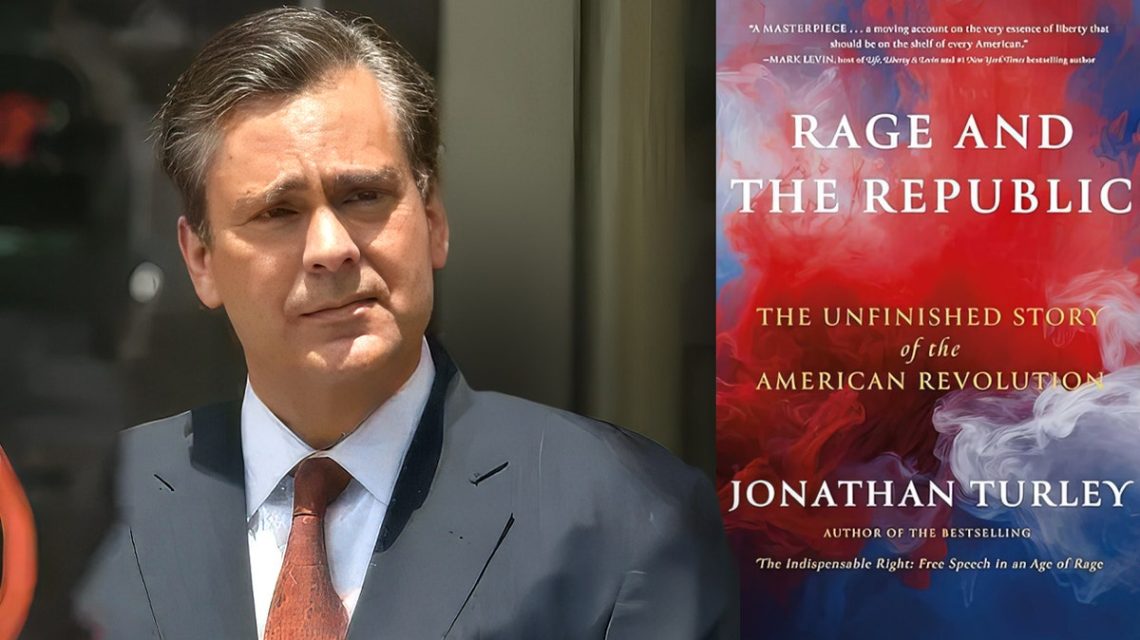
Jonathan Turley, a constitutional law scholar, has expressed concerns about these proposed changes in his book “Rage and the Republic.” He notes the dangers of sacrificing constitutional values for more direct democracy. Turley draws parallels with the French Revolution’s Jacobins, warning against similar radical reforms.
Turley emphasizes that the historical choice of the Electoral College was designed to protect smaller states and minority political groups. The shift towards a popular vote election requires caution to avoid undermining constitutional traditions. Many argue for reform, but they must be conscious of the potential risks involved.
With debates ongoing, the future of these proposals remains uncertain. Turley’s analysis highlights the complexity of constitutional reform and the need for careful consideration of its implications. His extensive contributions to legal scholarship underpin his arguments, calling for a balanced approach to any changes in the political system.
Turley has testified extensively before Congress and has advised on many high-profile legal cases. His insights encourage a re-evaluation of the proposed reforms and their long-term impact on American democracy.
 New Zealand Election Results: Uncertainty and Fragmentation
 President Trump’s Demands for DOJ Probe on Democrats
 Trump Questions Midterm Vote Totals Amid Election Losses
 Paraguay’s Political Crisis: Former President’s Ouster and Bank Collapse
 Stephen Miller Named New White House Chief of Staff, Causing Democratic Outrage
 Latino Voter Shift and Democratic Gains in Midterms