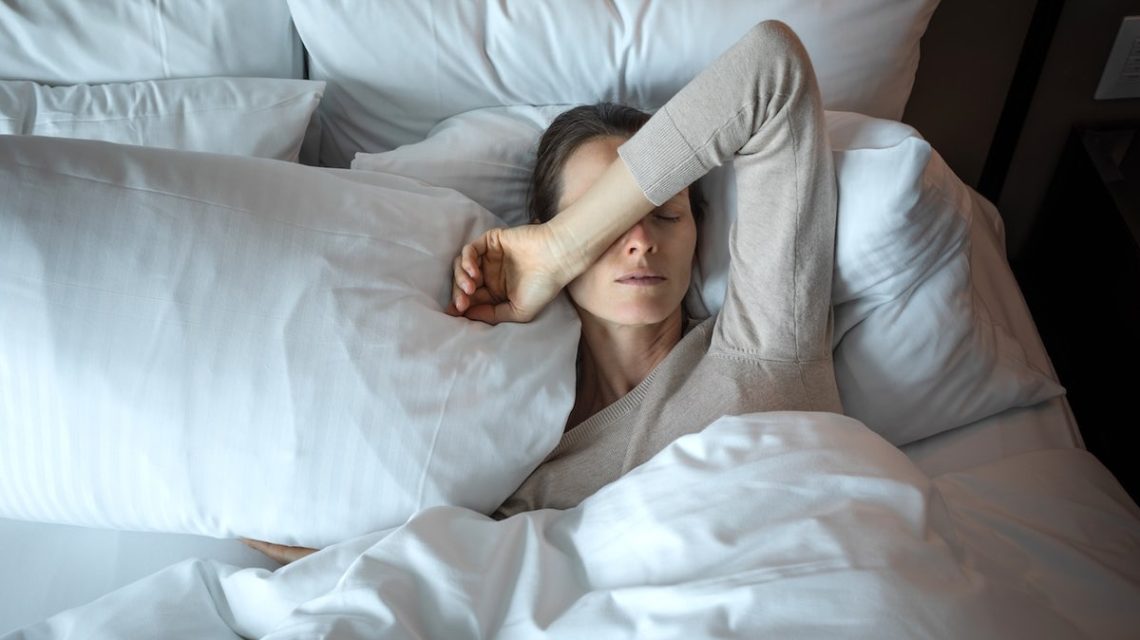
A person’s sleep habits might indicate a new subtype of depression related to the body’s internal clock. A recent study involving 11,380 Australian adults with a history of depression identified 23% of participants as meeting the criteria for what researchers refer to as “circadian depression.” This profile was characterized by at least three of six specific features: being an evening person, waking up feeling extremely tired, sleeping more during severe depressive episodes, experiencing seasonal changes, having a later midpoint for sleep and wake times, and undergoing “social jetlag”—a significant shift in sleep timing between workdays and days off.
Seasonal changes could affect sleep, mood, activity, appetite, weight, or energy levels.
The study, published on October 20 in The British Journal of Psychiatry, may eventually guide personalized care for individuals with depression.
“Depression is not a uniform illness, and understanding different subtypes allows us to provide effective treatments sooner,” stated Emiliana Tonini, Ph.D., from the University of Sydney’s Brain and Mind Centre.
Researchers are examining if disrupted sleep-wake rhythms may identify a proposed depression subtype. The term “circadian depression” is not a formal diagnosis and requires further independent study for validation.
Treatment Challenges
Individuals identified with circadian depression reported an earlier onset of depression and more severe symptoms compared to others. They often experienced weight gain during depressive episodes and reported fewer positive responses and more side effects from common antidepressants, such as SSRIs and SNRIs. Participants shared feedback on medication effectiveness, but the study did not investigate reasons behind varying responses or test treatments targeting the internal body clock.
Light exposure, maintaining regular sleep schedules, and melatonin-related treatments require additional research.
Dr. Ian Hickie, a co-author and psychiatry professor at the University of Sydney, described the circadian profile as cutting across traditional depression subtypes like atypical and bipolar depression. Both subtypes share traits like low energy and excessive sleep. Atypical depression may include weight gain, while bipolar depression involves depressive episodes in bipolar disorder, marked by elevated mood and increased energy.
“We define circadian only by sleep-wake and circadian traits,” Hickie clarified.
For some, sleep-wake disturbances may be more than just a symptom; they could be an underlying cause of this depression subtype. The study itself could not confirm if body-clock disruptions cause depression or are a consequence. Having trouble waking or staying up late does not by itself signal depression, according to researchers.
Study participants experiencing this disorder also reported more manic-like symptoms. John Puls, a psychotherapist and adjunct professor at Florida Atlantic University, noted these symptoms might influence their reaction to antidepressants.
“SSRIs do not address significant mental health symptoms extending beyond depression,” Puls stated. “In some cases, SSRIs may exacerbate manic symptoms, leading to sleep disturbances.”
Study Limitations and Broader Implications
Research limitations included participants self-reporting sleep patterns and treatment outcomes. The cross-sectional study design did not reveal whether sleep issues preceded or followed depressive symptoms. All participants were of European ancestry, limiting applicability to other populations. Six sleep-related features were employed to define the proposed circadian depression profile, such as social jetlag and being an evening person.
Jillian Amodio, a psychotherapist and founder of Moms For Mental Health, advised caution in using these findings to standardize treatment. She emphasized considering biological, environmental, social, and psychological factors. Researchers should investigate diverse populations, including night shift workers, and account for differences in time zones and seasons.
This study was conducted by researchers from the University of Sydney and QIMR Berghofer Medical Research Institute, along with co-authors from various institutions in Australia, the U.K., and the U.S. Deirdre Bardolf is a lifestyle writer at Fox News Digital.
 Early Bedtime Linked to Weight Loss in Prediabetes
 Home Design and Health: The New Realities
 Revisiting Medical Aid in Dying in Minnesota
 Impact of Fake Smiles on Happiness
 Democratic Doctors and Scientists Enter Congress with New Agendas
 A Mother’s Journey with Her Newborn Son