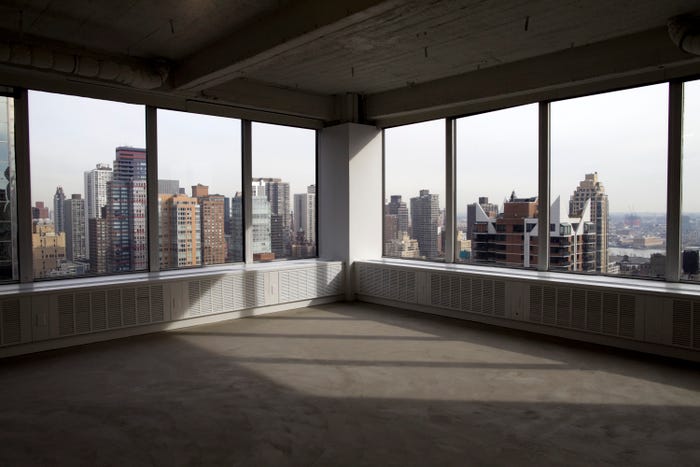
The US office market has faced numerous challenges in recent years, from the pandemic to debt maturity issues. Despite predictions of significant market declines, the sector has shown resilience. However, rising bond yields due to inflation expectations and geopolitical tensions have rekindled concerns over higher borrowing costs destabilizing the market, particularly affecting ‘Class B’ properties in less prominent areas.
This property segment, a part of the broader commercial real estate market, is already experiencing increased distress. Borrowers face pressure as they approach large maturity waves, with refinancing becoming more challenging due to prolonged high interest rates. This situation could lead to a wave of defaults and significant price drops.
The commercial mortgage-backed securities (CMBS) market reflects this pressure. The delinquency rate on office loans has remained high, showing a sharp increase from past years. Newly defaulted office loans reached $6.8 billion in the first nine months of the current year, indicating financial strain. An estimated 20% of offices with maturing loans are underwater, with mortgages exceeding property values.
Trepp’s Property Price Index shows a decrease in commercial real estate valuations by nearly 16% since 2021. This decline coincides with a rise in the 10-year US Treasury yield, nearing 5%. Financial experts suggest that the impact of higher rates may take up to 12 months to fully influence valuations, with potential declines of 10% for some properties.
Increased borrowing costs challenge lenders, pushing them to adopt stricter refinancing terms. Traditional practices of loan extensions are less common, as lenders require more equity upfront, reflecting a more cautious approach amidst rising rates and challenging economic conditions.
Lenders face difficult decisions: either accept non-performing loans or cut losses. Many loans from 2021, when borrowing was inexpensive, are maturing now, compounding the crisis. Last year, the value of properties auctioned from bankruptcy and foreclosure reached $5.2 billion, highlighting the distress in the market.
The market may eventually stabilize as prices adjust and distressed assets find new owners. However, until then, lenders and investors navigate a challenging landscape, waiting for opportunities to arise as the initial losses are absorbed.
 Raising Children in the Hamptons: Emphasizing Values Over Wealth
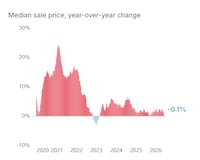 U.S. Home Prices Decline After Three-Year Climb
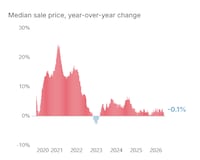 U.S. Home Prices Decline for First Time in Three Years
 US to End Military Aid to Israel, Data Center Ballots, Fox News Viewership, Adventurer’s Return, Harvard Suit Dismissal, Florida Polling Changes, Iowa Event Ruling
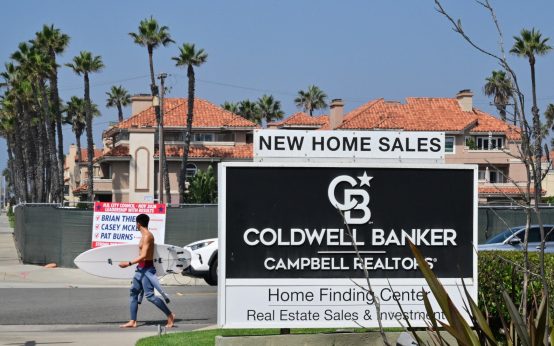 Home Market Sees First Price Drop in Over Three Years
 Philadelphia Introduces Innovative Mortgage Program