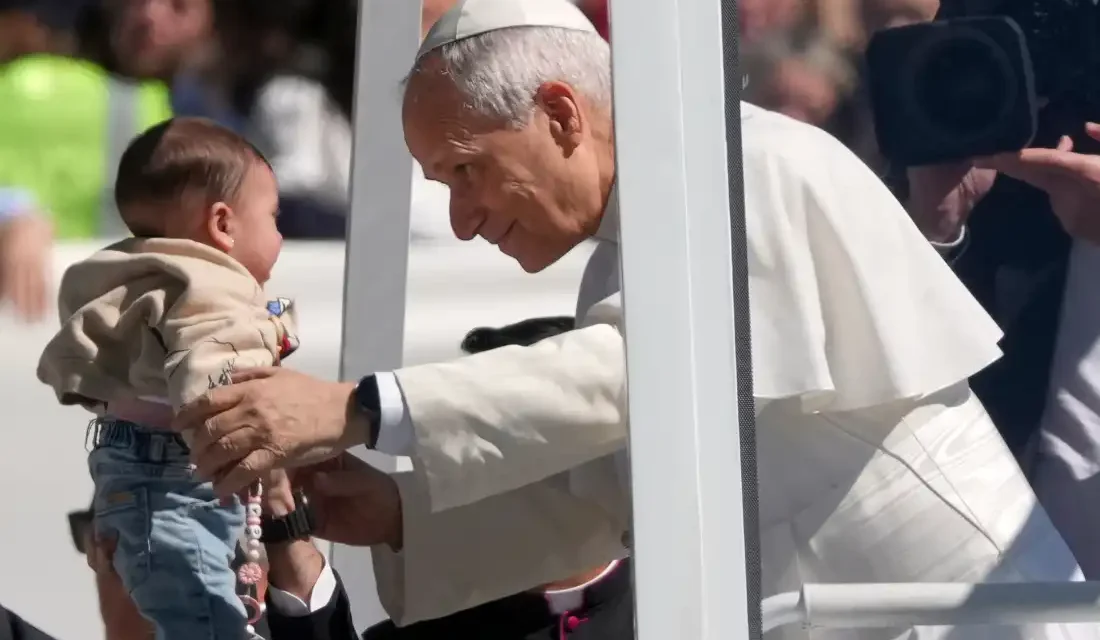
Pope Leo XIV recently visited Uruguay, making a significant impact on the Catholic community. As he arrived at the Cathedral Basilica of Florida, the Pope was seen engaging warmly with a child in the square. This event marked the third day of his twelve-day apostolic journey across South America. His visit coincided with a Mass celebration on November 8, 2026, highlighting his commitment to sharing the Catholic faith.
During the visit, Pope Leo expressed his gratitude for the women who have maintained the Catholic tradition for younger generations. Uruguay, historically secular, was reminded of its deep-rooted Catholic heritage. Leo’s journey extended beyond Uruguay’s borders; he traveled to the city of Florida to celebrate a significant Catholic feast day before heading to Argentina, a place with notable political sensitivities due to recent church-state dynamics.
Pope Celebrates the Feast of the Virgin of the Thirty-Three
In Florida, Pope Leo presided over the feast of the Virgin of the Thirty-Three. This event is steeped in history, with ties to Uruguay’s independence, celebrated on August 25, 1825. The figure of the Virgin has been a symbolic presence since then, representing hope and faith for the people. As the first pope to visit Uruguay in nearly 40 years, Leo sought to reconnect the people with their religious identity.
In a heartfelt homily, Pope Leo acknowledged the contributions of mothers and grandmothers in passing on the faith. He recognized their efforts and the struggles they face when their descendants drift from religious practices. His words, “Never tire of passing on the faith!” resonated deeply among the thousands gathered in Florida. The crowd, estimated at 50,000 by the Vatican, even surpassed the city’s population of about 40,000.
Among the attendees was Fiama Pirez, who traveled from Montevideo. She viewed the event as both a personal journey and a family outing, allowing her mother to fulfill a dream of seeing a pope. For Pirez, this experience marked a re-discovery of her faith.
Pope Leo’s Upcoming Visit to Argentina
Pope Leo’s visit to Argentina is anticipated to be politically challenging. He is expected to meet President Javier Milei, a libertarian leader known for his austere economic measures. The Argentine populace faces significant economic challenges, with a 32.3% poverty rate affecting approximately 15 million people. The Catholic Church has voiced its concerns over these policies, especially concerning social justice and AI advancement.
The meeting with Milei will likely highlight the tension between fiscal austerity and the Church’s mission to aid the vulnerable. Posters throughout Buenos Aires playfully interpret the Pope’s name, reflecting the societal expectations for his visit. As a continuation of the late Pope Francis’ legacy, Leo aims to address the needs of the marginalized.
Challenges and Unfinished Business
In Argentina, Leo aims to carry on the legacy of Pope Francis, who never returned to his homeland during his pontificate. Francis, a strong advocate for the impoverished, left a significant impact during his tenure in Buenos Aires. The Church’s mission remains vital for those feeling the brunt of economic changes.
Leo himself shares a deeply pastoral mission, having served as a missionary priest in Peru. His upcoming visit to Peru will be a homecoming of sorts, where he ministered for two decades. Despite the challenges, Leo’s journey reflects the continuity of Francis’ dedication to the poor.
Recent safety concerns arose with the arrest of an individual accused of threatening Pope Leo. This incident underscores the tense environment in Argentina, setting the stage for a highly observed papal visit. As preparations unfold, Leo’s presence continues to symbolize a bridge between faith and societal challenges.
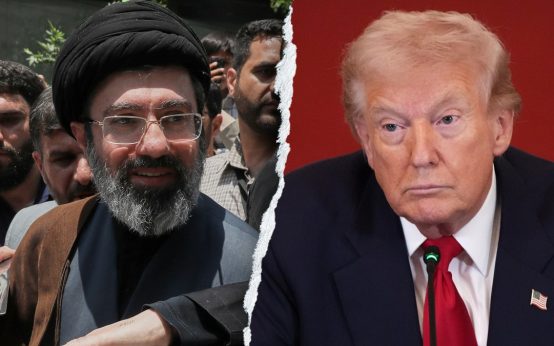 Trump’s Strategic Moves Against Iran and Their Implications
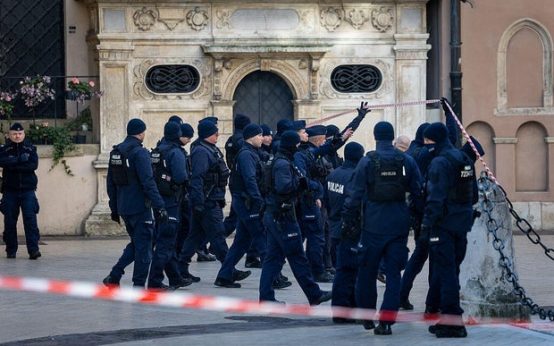 Poland Begins Mourning Following Krakow Shooting
 Mass Shooting in Krakow: Gunman Linked to Far-Right Ideologies
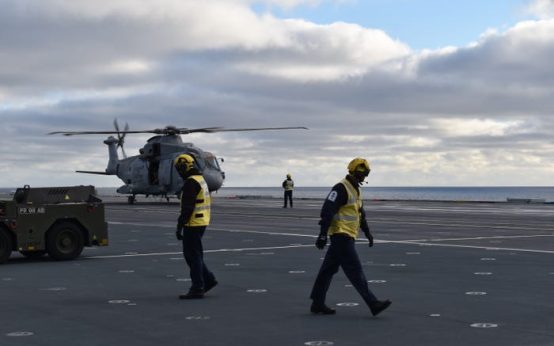 Sailors Aboard HMS Prince of Wales Train in Challenging Arctic Conditions
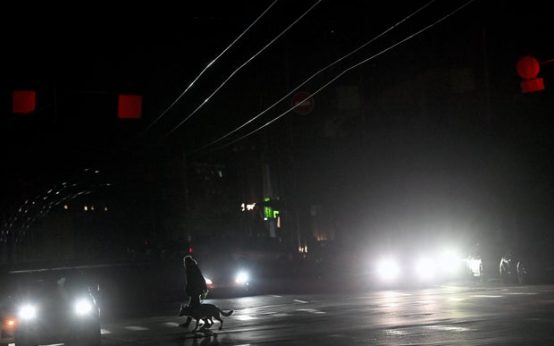 Power Outages in Ukraine After Russian Strikes
 Tensions in West Bank as Settler Incidents Grow