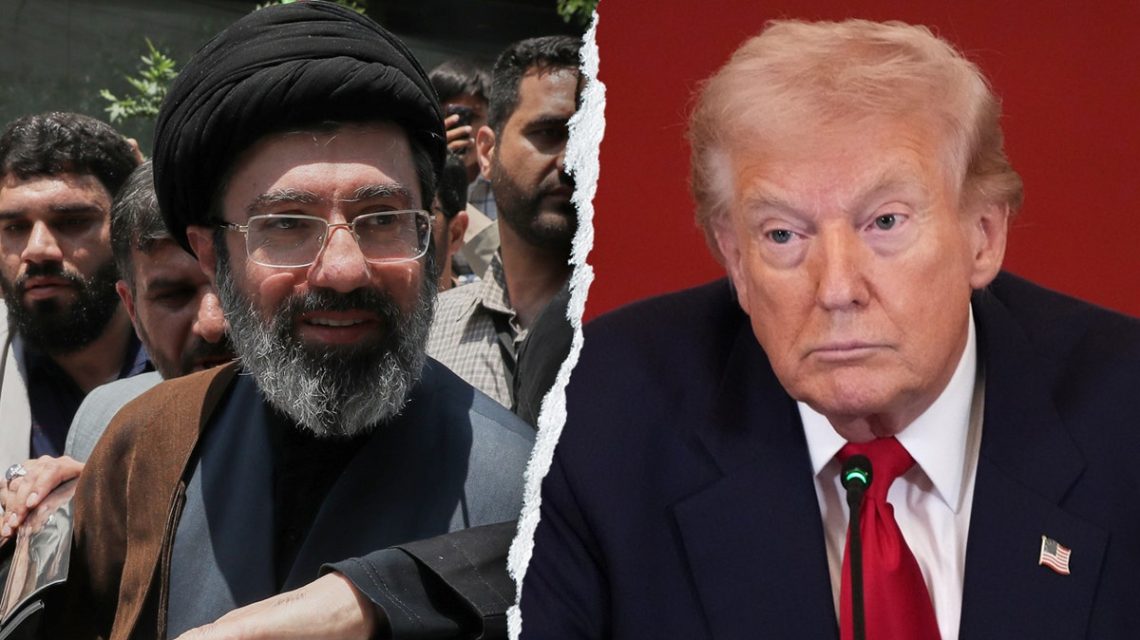
JERUSALEM — Iran’s Supreme Leader Ayatollah Mojtaba Khamenei recently taunted the United States following the midterm elections. His statement about the “collapse” of the U.S. was a bold move, as President Donald Trump and his advisors consider strategies against Iran. Trump’s next actions could define his legacy and reshape the Middle East, potentially removing Iran, a significant state sponsor of terrorism.
Khamenei’s absence from the public eye has sparked interest since a U.S.-Israel airstrike killed his father, former Supreme Leader Ali Khamenei. His recent comments came after the Republican loss in the midterms, intensifying the geopolitical tension. Following these comments, experts in the Middle East and the White House have made clear they are prepared to counteract Iran’s provocative rhetoric.
A White House spokesperson emphasized the U.S.’s strategic position. With control over the Strait of Hormuz and Iran’s faltering economy, the spokesperson conveyed confidence in Trump’s ability to act in the nation’s best interests. The administration’s stance indicates a readiness for either diplomatic or military resolutions.
Iran, expressing heightened hostility, displayed its disdain with exhibits like “Trump in a Cage”. This aligns with the anniversary of the U.S. Embassy’s seizure in Tehran in 1979. State-controlled media further threatened Western Europe, indicating Iran’s broad scope of aggression.
Navid Mohebbi, a former State Department analyst, highlighted Iran’s claim of political victory over Trump. Despite these assertions, Mohebbi pointed out that foreign policy was not a primary voter concern during the elections.
The phrase “finish the job” suggests continuing pressure on the Islamic Republic. Mohebbi argues that unresolved threats persist, such as Iran’s nuclear ambitions and hostile behavior. Simone Ledeen, a former Pentagon official, argues the regime will not change and stresses the need for strategic international support without American ground troops.
Trump’s approach to the Iran nuclear issue set him apart from past U.S. leaders. Commentator Ben Shapiro praised Trump’s decisions as bold and potentially transformative for U.S. foreign policy. However, Mohebbi noted the regime’s strategy to outlast the Trump administration, banking on future Democratic leniency.
Another proposed strategy involves backing Israeli military efforts while maintaining a U.S. blockade and focusing on critical Iranian targets. Iran expert Mardo Soghom mentioned Tehran’s tactic of weathering U.S. pressure, confident in the recent Democratic electoral success as a buffer.
Jason Brodsky from United Against Nuclear Iran discussed how Iran perceives the U.S. electoral results as a potential deterrent to further military actions. Yet, Iran remains cautious of Trump’s unpredictable nature and the impacts it could still have.
 NASA Seeks Next Generation of Astronauts for Historic Missions
 Alaska Senate Race: Ongoing Close Contest Between Sullivan and Peltola
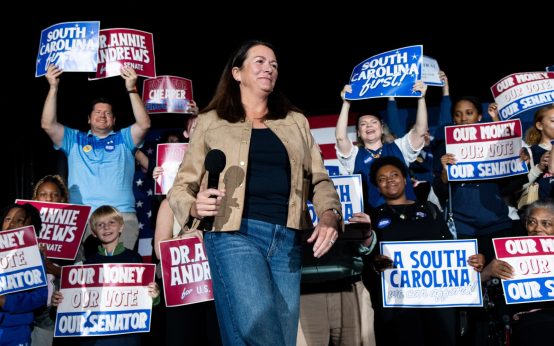 Potential Impeachment and Political Developments Surrounding Pete Hegseth
 Trump Administration Shuffles Key Staff and Faces Allegations
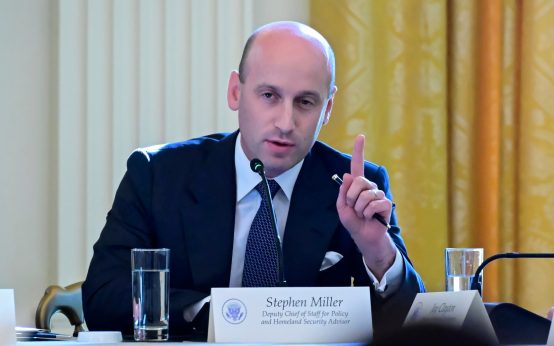 Democratic Leader Rejects Cooperation with New Trump Chief of Staff
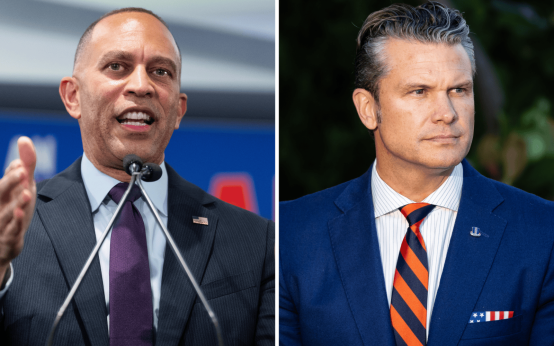 House Minority Leader Hakeem Jeffries Backs Impeachment of Defense Secretary