High above the bustling crowds, perched 2,000 meters above sea level on the mountaintop in Bormio, Italy, lies a serene retreat: a modest wooden cabin. This cabin serves as a sanctuary for skiers, offering warmth and protection from the elements before they tackle the aggressive slopes.
For many athletes, this start hut provides a moment of calm before the race, while for others, it’s where they confront their innermost anxieties. As Team USA Alpine skier Kyle Negomir described it, “It is like a funeral at the top.” This moment of stillness is swiftly disrupted by the familiar beep of a countdown timer—a sound so ingrained in racers’ minds that it can trigger anxiety even in the off-season.
**Preparing for the Race**
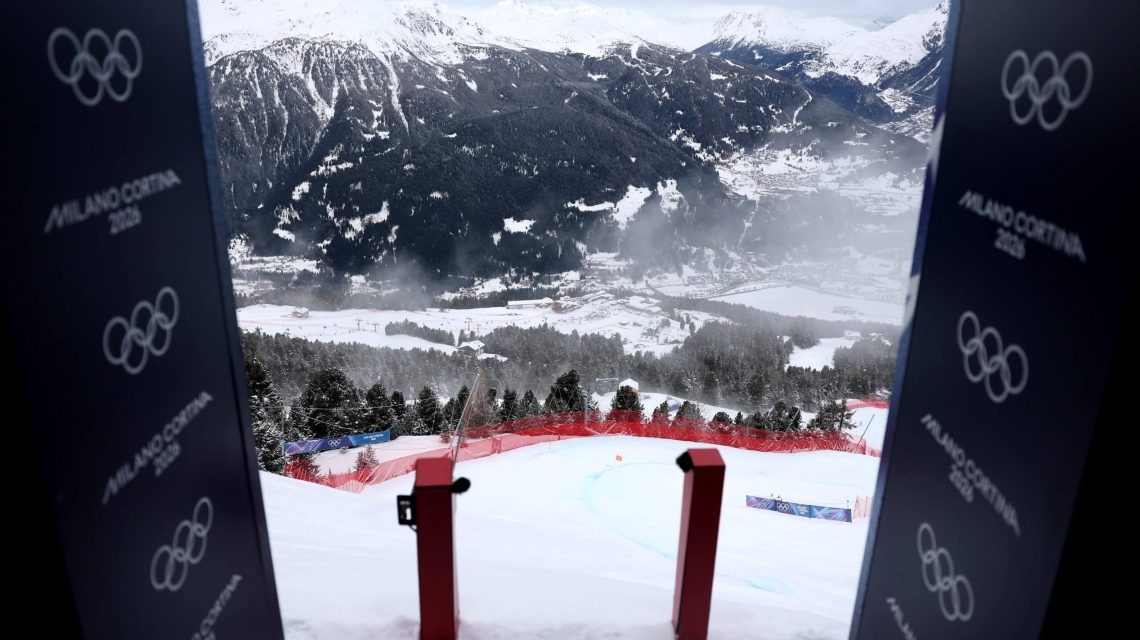
The Stelvio track, viewed from the start gate, sets the stage for the challenges ahead. Before entering the hut, athletes ascend the mountain via standard chairlift. Warming up varies: some athletes engage in free skiing, while others, like Frenchman Maxence Muzaton, perform specific exercises, such as a side plank in the snow, to prepare themselves for the race.
Each racer deals with pre-race jitters differently. For instance, silver medalist Giovanni Franzoni noted that his legs began to tense during his warmup. Negomir explained how his heart rate shoots to 180 beats per minute before the race even begins—an exhausting experience.
**Nerves and Techniques**
Naturally, adrenaline heightens racers’ alertness, but when it spikes, it can impair coordination and balance, as noted by breathwork coach Hannah Nedas. Techniques that involve focusing on physical sensations, like the feel of ski boots or the cold air on the face, help calm the nervous system. Such grounding techniques keep racers’ thoughts clear even under pressure. Some skiers prefer to listen to music, while others remain attuned to the natural sounds to center themselves.
The start hut environment fosters a sense of camaraderie among racers from different nations, despite the somber mood prevailing. Alpine skier Negomir observed, “You don’t see guys chatting,” as they lean on poles and stare into space, concentrating on calming their nerves.
Nedas, who has worked with England’s top Premier League players, emphasizes the importance of breathing techniques—like nasal diaphragmatic breathing—to keep the mind calm and focused. When the nervous system is regulated, communication between the brain and body becomes clearer, crucial for maintaining responsiveness and flow in extreme sports.
**Mindsets and Mantras**
Skiers often repeat mantras to stabilize their focus. Frenchman Nils Allègre noted how he avoids focusing on results, instead reminding himself to “stay smooth and calm.” Others encourage themselves to “go at it” or keep it simple—focusing on the art of skiing itself, rather than the competition.
As the countdown timer begins, Sam Morse feels the energy surge as his personal trainer motivates him. The start involves precise timing over the mechanical wand, marking the beginning of the race.
**The Final Moments**
As the timer ticks, racers like Negomir use visualization techniques to concentrate. He imagines a tennis ball in the air, focusing on its details to stabilize his nervous system before the final push out of the gate. With just seconds remaining, racers are ready to face the formidable downhill challenge with everything they have. “You’re ready to go to war,” said Negomir, encapsulating the intensity and focus required to conquer the slopes at the Winter Olympics.
 Case Keenum Leads Bears to Victory Over Eagles
  College Sports: The Debate on the Protect College Sports Act
  LeBron James Joins 76ers: New Chapter Begins
  Challenges of College Football Playoff Selection Process
  Chicago White Sox Embrace Underdog Role Against Houston Astros
  Senate Passes the Protect College Sports Act