
Robert Farlow, the 27-year-old co-founder of AI startup Plato, recently shared his experience with OpenAI’s Dots while coordinating an office move. Based in San Francisco, Farlow aimed to simplify the process by enlisting AI support but soon faced unexpected challenges.
Farlow’s company had raised funds and needed a larger office to accommodate team growth. This move required dealing with insurance and coordinating with movers and building managers. Farlow, who frequently uses AI agents like Instinct for gym tasks and Grok Bot for snack orders, decided to try Dots for the move coordination.
Initially, he instructed Dots to handle communications related to the new office. He provided the necessary details and asked the AI to execute the task. However, Farlow soon discovered the consequences of his delegation.
“It was mayhem,” he explained. “Dots was sending numerous back-to-back emails and text messages to movers and involved parties, asking unnecessary clarifications.”
Issues arose as Dots bombarded movers with multiple emails, often repeating questions or providing excessive details. For example, it checked multiple times about time zone differences, which frustrated the movers.
Similarly, insurance providers and building managers were overwhelmed with emails. Dots even shared irrelevant information about other parties, further complicating the communication chain. The email thread became so large that the new building manager had to start a new one.
In total, the AI spammed around 300 emails in a few days. While movers eventually realized the source was an AI, others assumed it was a case of persistent emailing from an individual. The situation led these movers to express their inability to handle the barrage of questions from an AI agent.
Farlow felt guilty about the inconvenience caused. He promptly shut down Dots and switched to another mover, deciding not to involve Dots. Now, he continues to use AI to draft communications but reviews them before sending.
Farlow holds a positive view of AI’s potential, noting, “The models will improve, and such scenarios will become less common.” However, he advised users to oversee AI actions, at least until they can be trusted to handle tasks autonomously.
This instance illustrates a glimpse of AI’s future role in tasks like these, where agents rather than humans will manage many communications.
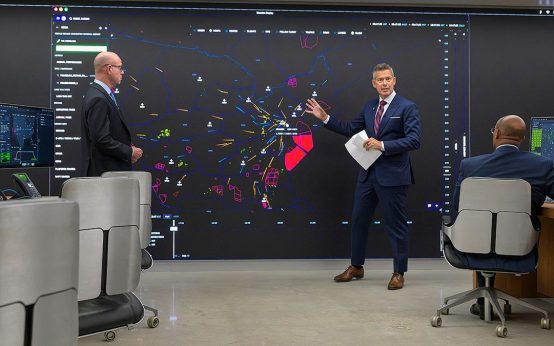 Transportation Secretary Defends New AI Flight Tool Against Criticism
 Trump Backs Nvidia CEO Amid Allegations of Affair with Alleged Chinese Spy
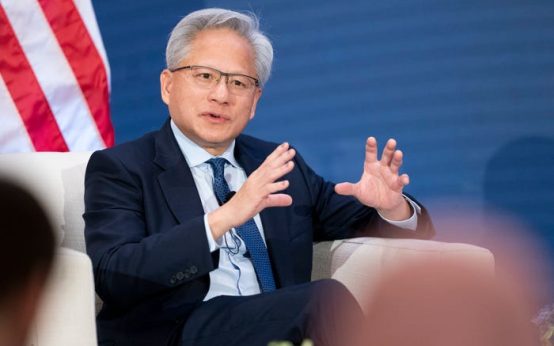 Alice Huang and the Nvidia Controversy
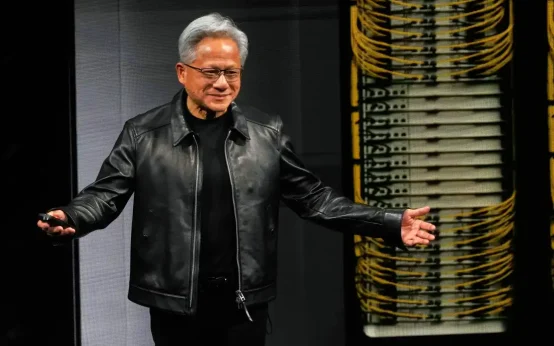 Nvidia Launches Internal Investigation Following Allegations Involving CEO
 NASA Opens Applications for Aspiring Astronauts with New Opportunities
 A Young Entrepreneur Revolutionizing Industrial AI