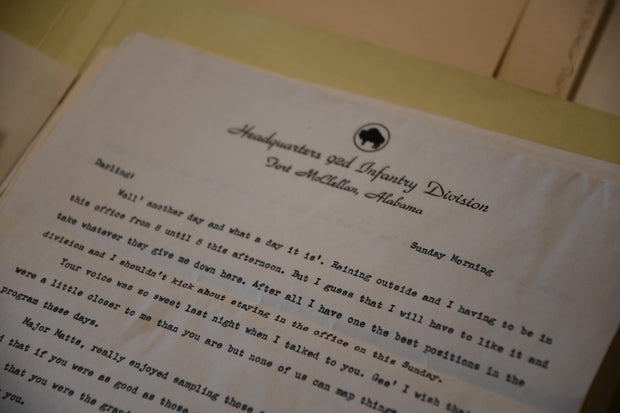
A collection of over 200 love letters that captures the courtship and marriage of a couple during World War II is now available for digital viewing through the Nashville Public Library. This exhibition provides an intimate glimpse into a love story flourished amidst the uncertainties of wartime.
The heartfelt correspondence between William Raymond Whittaker, known as Ray, and Jane Dean was discovered in a Nashville residence once owned by Jane and her family. These letters were donated to the Metro Nashville Archives in 2016 after being discovered near a former fireplace in the house, not far from what is currently Music Row.
History and Background
Ray hailed from New Rochelle, New York, but had relocated to Nashville to pursue studies at the historically Black Meharry Medical College, as explained by the library’s metropolitan archivist, Kelley Sirko. It was there that he crossed paths with Jane, a fellow student at the college. Their relationship faced a pause when Ray left Nashville, as he was drafted into the Army during the summer of 1942.
While stationed at Fort Huachuca in Arizona, Ray felt compelled to reconnect with Jane, who was then building her career as a medical lab technician at Vanderbilt University.
“A pleasant and sad surprise,” Jane penned in her reply letter dated July 30, 1942, marking their renewed connection.
Love in Letters
The library does not have the initial letter Ray wrote to Jane, but Jane’s response sets the tone for their heartfelt correspondence. She addresses him formally as “Dear Wm R” and expresses mixed feelings about his military service.
“Pleasant because you will always hold a place in my heart and it’s nice to know you think of me once in a while. Sad because you are in the armed forces. However, I’m proud to know that you are doing your bit for your country,” Jane wrote, signifying the mixture of pride and concern she felt.
Jane playfully hinted at their mutual friends who had recently married or were expecting children, ending her letter with a hopeful message, “Write, wire or call me real soon — Lovingly Jane.”
A Story Told Through Correspondence
As the letters unfold, readers are charmed by the candid emotions and unfolding love story captured in these pieces. Kelley Sirko remarked on the genuine portrayal of two individuals living through a complex historical period, observing that this collection has provided the closest insights archivists have into the lives of Ray and Jane, as no living relatives have been identified.
Additional donations included photographs and Ray’s Alpha Phi Alpha fraternity patch, offering glimpses into Ray’s life beyond their love letters. Envelopes accompanying the letters emphasize the era’s tense atmosphere, with phrases like “Idle Gossip Sinks Ships” as wartime reminders.
Challenges and Cannons
Against the backdrop of racial and societal challenges, Ray’s role in the segregated 92nd Infantry Division during the war shaped his experiences. His letters narrate the complexities he faced and provide Jane with insight into military life.
Overjoyed with the rekindled connection, Ray became forthright about his intentions, hinting at marriage proposals and a future together. Jane, at first skeptical, responded thoughtfully, “What makes you think you still love me? Is it that you are lonesome and a long way from home. I’m sure I want you to love me but not under those conditions.”
The Proposal and Marriage
Soon, Ray’s sincere commitment won over Jane’s doubts, and they tied the knot on November 7 in Birmingham. Post-war, the couple resided temporarily outside New York City before relocating back to Nashville.
In a letter written shortly after their wedding, Jane expressed profound joy in calling Ray “my darling husband” while lamenting the physical distance due to his military duties. “It’s a wonderful thing to have such and sweet and lovely husband,” she wrote, yearning for the war’s end so that they could permanently be together.
These letters not only chronicle a touching personal narrative but also illuminate the broader context of African American experiences during World War II, as highlighted by insights shared on CBS and WTVF.
 Rose Friedman: A Dedicated NPR Journalist Remembered
  Notable Lost Stories and Objects
  Fat Bear Week: Celebrating Resilient Giants and Ecosystem Conservation
  Controversial Sneaker Ad Sparks Backlash
  New Pub Opens at the British Embassy in D.C.
  Sir Don McCullin’s Lasting Legacy Through the Lens of War