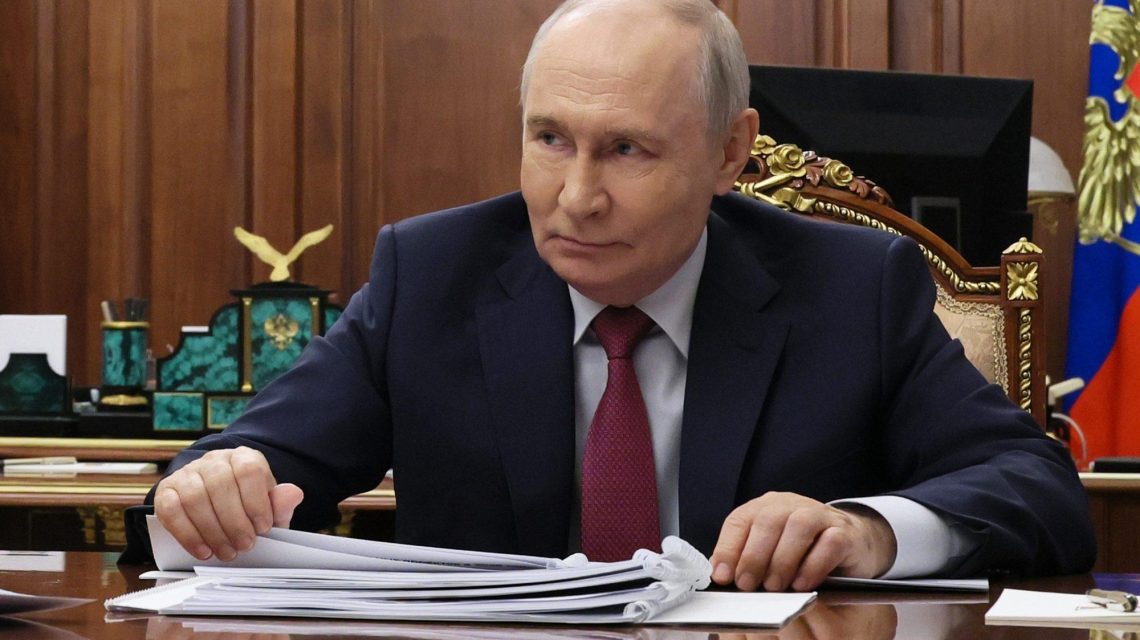
Recent developments in global politics highlight the complexities surrounding the Ukraine conflict. Russia continues to support Iran, aiding an extension of the war and keeping oil prices elevated. Simultaneously, Russia collaborates with China on technologies targeting US satellites.
As peace talks regarding the Ukraine war commence in Abu Dhabi, it’s crucial for US negotiators to recognize Russia’s tactics. Previously, some individuals within the Trump administration believed Moscow’s narrative that Ukraine was on the verge of collapse. This proved incorrect more than a year ago, and it remains untrue today.
Russian President Vladimir Putin has demonstrated little goodwill, as seen by the imprisonment and torture of Stephan Hubbard, an American on fabricated charges. Although First Lady Melania Trump’s efforts led to a local ceasefire around Oleshky, Putin remains capable of taking more hostages. The ceasefire merely allows some Ukrainians to escape the frontlines.
In recent developments, Washington waived Graham Act sanctions and suspended diesel sanctions on Moscow without gaining any concessions from the Kremlin. Putin’s hostility is evident in his air attacks that target Ukraine’s civilian population, intentionally disrupting power supplies and worsening winter conditions for residents.
President Donald Trump, determined to end the Ukraine conflict, reiterated through special envoy Jared Kushner the need for a negotiated resolution. This resolution should ensure Ukraine’s sovereignty and security while supporting European stability. Yet, until Putin agrees to these terms, a ceasefire appears unachievable and US sanctions should be reinstated.
Russia’s assistance to Iran and its cooperation with China persist in geopolitical maneuvers; Russia’s role in prolonging the war and affecting global oil prices remains a significant concern. Additionally, Trump’s recent remarks indicate a perceived necessity for Ukraine to concede more territory for peace. Despite Russia’s aggressive tactics over recent years, it has not seen substantial gains on the ground.
Russia faces high casualty numbers, with estimates of 390,000 dead and an unfavorable casualty ratio compared to Ukraine. Russia’s economy struggles under pressure, and domestic unrest is increasing. Trump’s claim on “60 Minutes” that personal animosities between Putin and President Volodymyr Zelensky are obstructing peace negotiations is unfounded. The true challenge lies in Putin’s misbelief in achieving victory against mounting odds.
Peace can be attained by disproving Putin’s expectations. No political shifts in the West will aid him. As circumstances worsen for Russia, taking a ceasefire now is crucial, as it is unlikely that terms will improve for Putin and could deteriorate further.
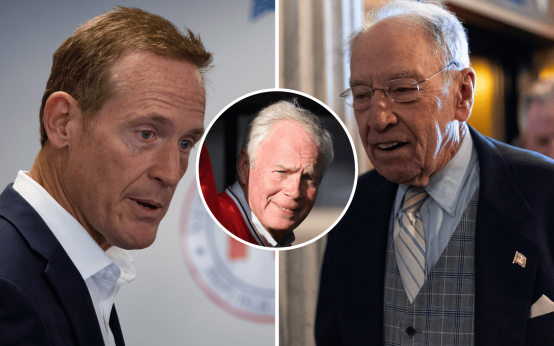 Shifting Political Landscape: Vulnerable GOP Senate Seats in 2028
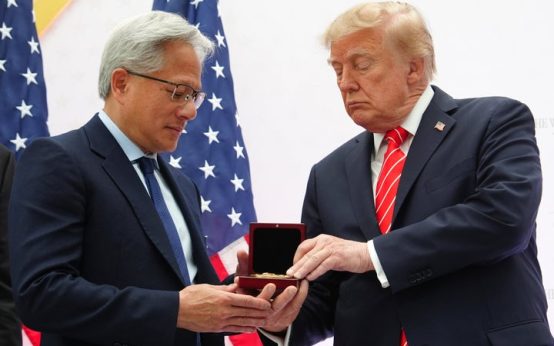 Trump’s Support for Nvidia’s CEO Sparks Controversy Amid Espionage Concerns
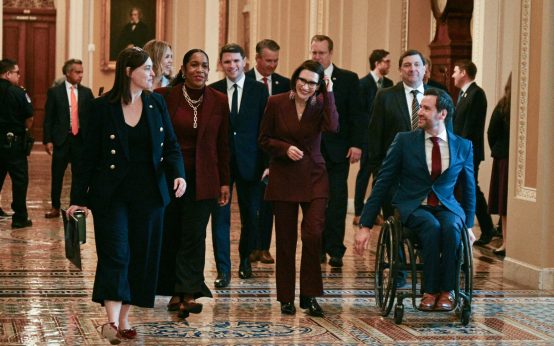 Democrats’ Midterm Victories to Influence Congressional Agenda
 Potential Voter Response to School Choice Policy Changes
 Impact of SNAP Changes on American Families
 Trump’s Shift on Deportation Policies