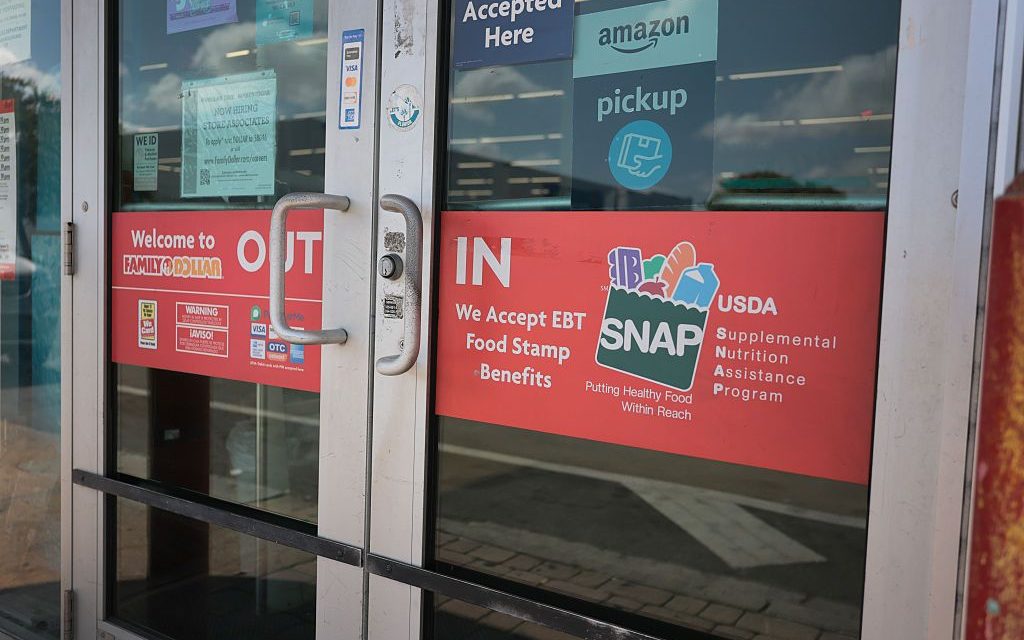
Recent changes in the Supplemental Nutrition Assistance Program (SNAP), introduced by President Donald Trump in July 2025, have resulted in millions of Americans losing food assistance, including an estimated 2 million children. These changes are raising concerns as states prepare for new Medicaid work requirements in January, potentially leading to further disruptions in health coverage for families.
Although children are not directly affected by the new SNAP work requirements, changes impacting parents and caregivers can have ripple effects on whole households. The linkage between SNAP and Medicaid eligibility adds to the stress faced by low-income families.
SNAP Enrollment Declines
The Center on Budget and Policy Priorities reported a 13 percent reduction in SNAP participation, equating to a loss of 5.5 million people from July 2025 to July 2026. This drop saw SNAP reach its lowest participation level in 17 years at 36.1 million people, with around 2 million children affected. Additionally, Georgetown University Center for Children and Families found a 2.56 million decline in child enrollment for Medicaid and CHIP from January 2025 to August 2026.
Why The Decline?
The changes stem from the 2025 reconciliation law, modifying SNAP eligibility and program rules. Analysts, like those at the Center on Budget and Policy Priorities, argue that labor market conditions, such as steady 4 percent unemployment, do not solely explain the SNAP decline. Participation fell universally, except in Alaska.
Gina Plata-Nino, director of SNAP Policy and Advocacy at the Food Research & Action Center, stated, “Since it became law, 5.5 million people, many of whom are children, have lost access to SNAP.”
Plata-Nino highlighted that heightened reporting requirements for families with children over 14 create barriers, potentially disrupting access to food assistance. This loss can affect children’s enrollment in other nutrition programs, impacting their overall well-being.
Policy and Administration Responses
The Trump administration refutes claims that specific policies are responsible for the decline. A USDA spokesperson emphasized that SNAP is an “appropriated entitlement,” ensuring benefits for eligible families, with participant numbers naturally fluctuating over time. Declines in some states occurred before the enactment of H.R. 1.
Dr. Lee Bowes, CEO of America Works, pointed out that work-hour reporting requirements differ from practical employment support. Factors such as childcare, caregiving duties, and inconsistent work hours complicate participation in SNAP.
Effects on Family Finances
Without food assistance, families forced to reallocate their finances might sacrifice other essential expenses. Financial educator Michael Ryan explained that families often prioritize groceries over other bills, suggesting this approach could have a cascading negative financial impact.
Ryan noted, “Skimping on gas can mean fewer shifts. And a smaller paycheck makes next month harder than this one.”
He warned that the effort to resolve eligibility issues can involve unforeseen costs, including paperwork and time spent managing these bureaucratic hurdles, impacting family finances.
The Role of Food Banks
Food banks have seen increased demand due to SNAP reductions. Triada Stampas, president and CEO of Fulfill, noted an uptick in families seeking aid, with over 150,000 people served monthly by their New Jersey network. This increase highlights the challenges families face without SNAP.
State Responses and Future Costs
Starting October 1, 2027, states will partly finance SNAP benefits, tying costs to payment error rates. CBPP estimates that states could collectively spend $9 billion, influenced by 2025 error rates. State lawmakers have introduced efforts to refine payment accuracy and address SNAP’s evolving administration.
Federal funding reductions for state SNAP administration have compounded fiscal pressures, straining agencies responsible for eligibility and process management.
Medicaid Work Requirements
From January 1, 2027, new Medicaid work requirements will affect certain adults under Medicaid expansion and waiver programs, demanding they demonstrate engagement in work or related activities. While children are not targeted, overlapping benefits systems could indirectly impact families.
The Congressional Budget Office estimates increases in uninsured individuals by 5.3 million over a decade due to Medicaid work requirements, with SNAP changes reducing participation by 2.4 million monthly from 2025 to 2034. Current declines in child enrollment indicate potential future challenges in achieving coverage.
 Shifting Political Landscape: Vulnerable GOP Senate Seats in 2028
 Trump’s Support for Nvidia’s CEO Sparks Controversy Amid Espionage Concerns
 Democrats’ Midterm Victories to Influence Congressional Agenda
 Potential Voter Response to School Choice Policy Changes
 US and Russia Tensions Over Ukraine Conflict
 Trump’s Shift on Deportation Policies