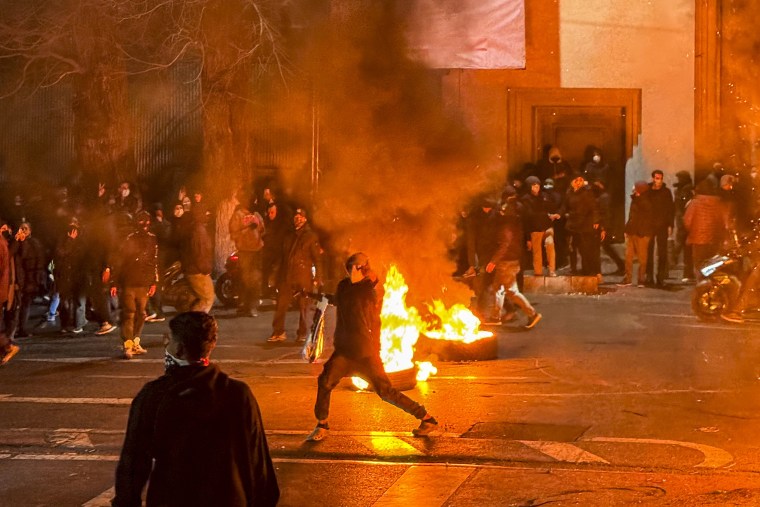
In a recent statement, Pezeshkian expressed the Iranian government’s embarrassment in front of its people as it attempts to manage both internal discontent and pressure from abroad. According to the U.S.-based Human Rights Activists News Agency, the death toll in the ongoing unrest has reached nearly 7,000 individuals as of Tuesday. This agency underscores that it confirms each death through a network of on-the-ground activists in Iran, ensuring data integrity through numerous internal verifications. In contrast, Iran’s government had reported an official death toll of 3,117 the previous month. NBC News has noted that it couldn’t independently confirm these numbers.
Former President Trump had signaled the possibility of U.S. intervention should the Iranian regime resort to shooting or executing protestors, although immediate military action was withheld at the time. The United States has been augmenting its military presence in the region, with the potential to support military strikes and apply diplomatic pressure during negotiations.
The mounting tension intensified on Tuesday, when Trump suggested he might deploy a second aircraft carrier to the Persian Gulf if diplomatic talks fail. The USS Abraham Lincoln is currently stationed in the area. In an interview with Axios, Trump stated, “We have an armada that is heading there and another one might be going.” He emphasized that time for Tehran to engage in negotiations over a “fair and equitable deal” was limited, warning of the collective might of a “massive armada” of American vessels.
In response, Tehran declared its readiness to defend itself, heightening concerns over the potential for broader regional conflict. On Sunday, Iran’s Foreign Minister, Abbas Aragchi, remarked that negotiation with the United States was the only viable course.
During an interview with Israel’s Channel 12 on Tuesday, Trump warned that the U.S. might need to take considerable action if a compromise is not reached. Israeli Prime Minister Netanyahu, present in Washington with the apparent intent to influence Trump, articulated the necessity for any agreement to also address Iran’s ballistic missile program and its support for proxy groups such as Hamas and Hezbollah. Netanyahu had advanced his visit, initially set for later in the month, following preliminary U.S.-Iran discussions that occurred in Oman the previous week. In September 2025, President Trump and Netanyahu attended a summit at the White House to address these issues.
In a further statement to Axios on Tuesday, Trump stressed that any potential deal must encompass Iran’s nuclear program and he believed it should also include discussions on Iran’s ballistic missile capabilities. Contrary to this, Iranian officials, including Ali Shamkhani, an advisor to Supreme Leader Ayatollah Ali Khamenei, declared on Wednesday that the missile program is not open for negotiation. The state-run news agency IRNA reported this position. Israel remains wary, observing that Iran is ramping up the production of missiles, an arsenal that was notably impacted in the 12-day conflict with Israel last year.
This article reports contributions from Yuliya Talmazan, a London-based reporter for NBC News Digital, alongside insights from Reuters and The Associated Press.
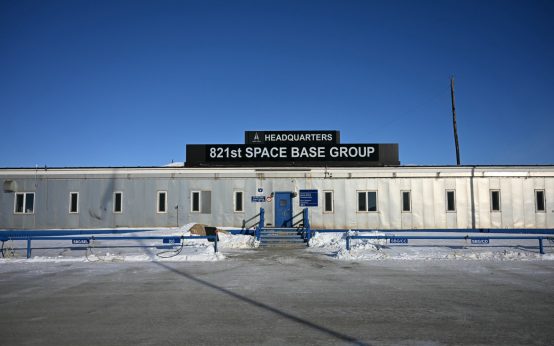 New U.S. Military Bases Planned in Greenland Amid Strategic Security Deal
 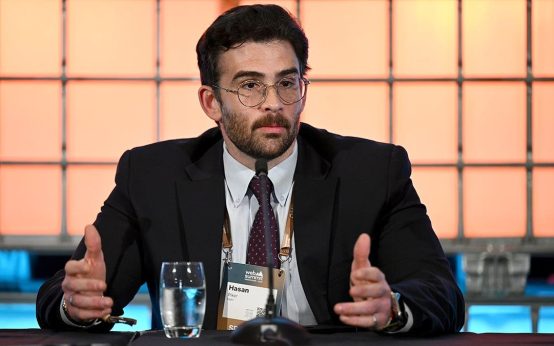 Twitch Streamer Hasan Piker Discusses Controversial Commentary
  A Shifting Political Landscape: The Decline of Autocratic Power
  Trump Delivers Warning to Iran, Cuba at UN General Assembly
 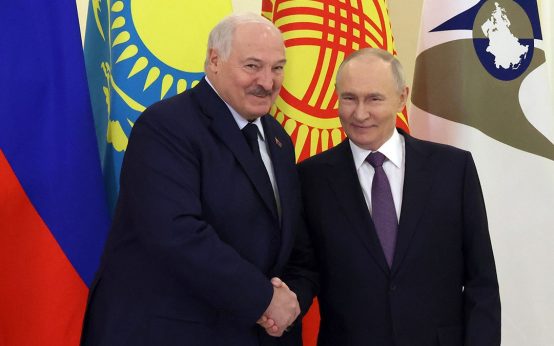 Lukashenko and Putin’s Unique Relationship and Belarus’ Strategic Role
  Alan Ritchson Faces Backlash Over Political Remarks