
Does a good deed hold less value if the giver enjoys it, gains recognition from it, or receives something in return? New research argues that such concerns are unwarranted. Participants in the study generally appreciated acts of kindness, regardless of their selflessness.
The study, conducted by Ohio State University and published in the International Journal of Applied Positive Psychology, explored how people differentiate between actions seen as ‘kind’, ‘nice’, and ‘caring’.
Understanding Public Perception
Alexia Holovatyk, a licensed clinical psychologist, explained that many hesitate to perform kind acts, fearing they are not selfless enough. However, the study suggests that recipients do not focus on those motivations.
Most participants interpreted ‘kind’ and ‘nice’ as similar, while ‘caring’ was seen as requiring deeper meaning. Actions rated most positively were warm, planned, and unexpected.
Distinguishing Between Kindness and Caring
Jennifer Cheavens, the lead researcher and a professor of clinical psychology, was inspired by discussions with students about selfless acts. An episode of Friends where Phoebe challenges Joey’s belief in selfless deeds played a role in these discussions.
Cheavens collaborated with Laura Wagner, a developmental psychology professor, to conduct a large-scale study. They created 14 short vignettes to dissect prosocial behavior elements including anonymity, benefit, and warmth.
Participants, aged 18 to 77, rated scenarios like having a door held open or someone paying for their meal. While ‘kind’ and ‘nice’ were rated similarly, cost affected the perception of niceness. Higher-cost acts were seen as nicer.
‘Caring’ was more distinct, with recognized acts between known individuals considered more caring. High-cost actions were also rated as nicer and more caring, tying caring to emotions and connection.
Holovatyk emphasized that caring is less about gesture size and more about personal recognition. For those prone to people-pleasing, the study suggests presence is more important than perfect selflessness.
The Positive Side of Feeling Good
Dr. Bonnie King, a licensed counselor-supervisor, noted that people sometimes hold back from helping due to fears of appearing self-serving. Yet the findings show others do not view good deeds with skepticism.
King mentioned that actions such as checking on a friend or bringing dinner to a recovering neighbor are the types of warm, intentional acts valued by recipients.
Laura Wagner explained that deriving satisfaction from helping might not be negative, as it can promote further prosocial behavior. This satisfaction could motivate cooperation among people.
The researchers hope these findings help schools, clinicians, and communities encourage prosocial behavior by aligning expectations with actions.
 Scientists Discover Earliest Quasar in Cosmic History
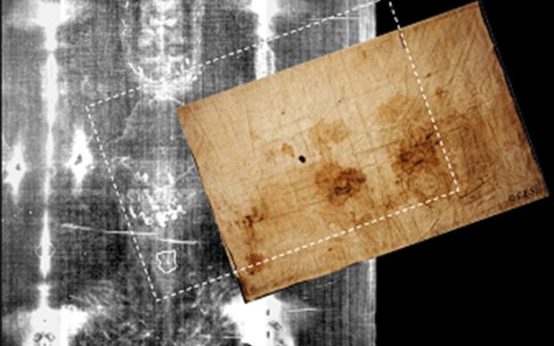 Spanish Scientists Explore the Connection Between Sudarium of Oviedo and Shroud of Turin
 Uncovering Mysteries at Westminster Abbey and Beyond
 Global Events and Key Developments
 Human Lifestyles Impact Dogs’ Gut Health
 Underwater Encounter with Deep-Sea Giant