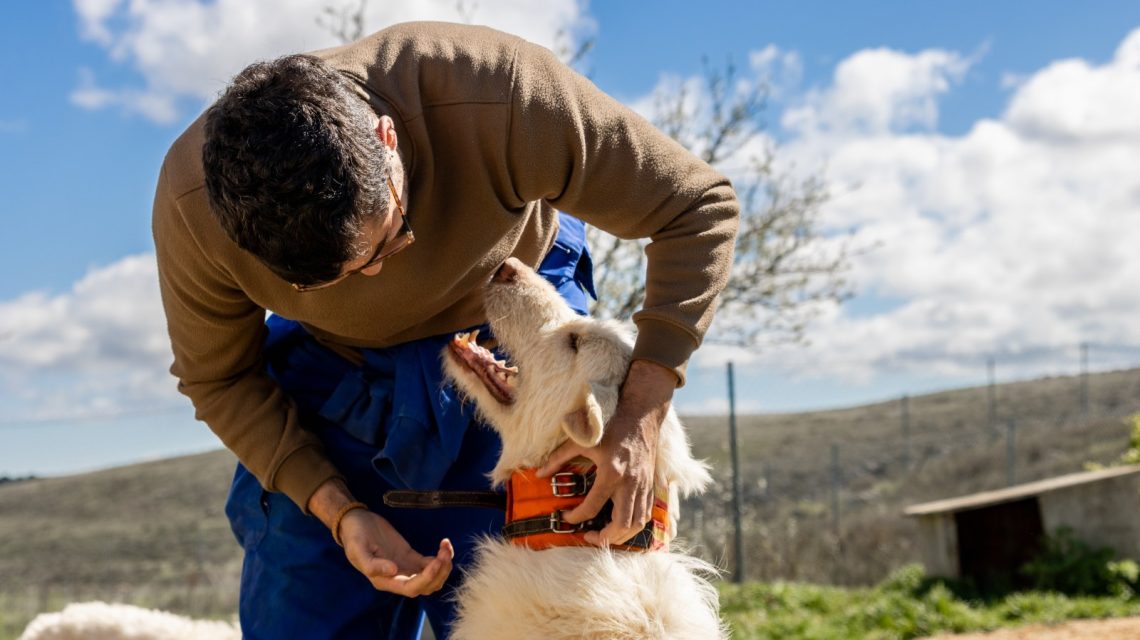
Research explores how human lifestyles affect the gut health of dogs, highlighting the microbial influence of shared environments. The study, published in mSystems, examined the gut microbiomes of over 250 dogs from countries including Nepal, Thailand, the United Arab Emirates, and the United States. It revealed that various human lifestyles contribute to the microbial composition in dogs.
Impact of Human Habits
Dogs living in diverse environments, such as foraging, farming, pastoralist, urban, and industrialized settings, displayed varying gut bacteria. Aashish R. Jha, a study co-author and assistant professor at New York University Abu Dhabi, emphasized the roles of diet and environmental exposure. Dogs’ diets, indoor or outdoor activity, animal interactions, and surrounding environments all affect their microbiomes.
Dogs in agricultural communities interact with livestock and soil, whereas pets in urban areas consume commercial foods in controlled settings, according to Jha.
The Complexity of Gut Microbiomes
The gut microbiome includes bacteria, viruses, and fungi in a dog’s gastrointestinal tract. Besides food digestion, a balanced microbiome supports immune health and has links to stress and anxiety management. Imbalances can result in digestive problems, skin conditions, and inflammatory bowel disease. No universal definition exists for a healthy microbiome in dogs, as explained by Jha.
Instead of viewing industrialized pets’ microbiomes as the norm, consider dogs’ varied lifestyles, diets, and exposures. The study noted significant differences between pets in industrial settings and those living outdoors or near farms. Yet, industrialized dogs did not show reduced microbial diversity but rather a restructuring of microbes.
Geographical Influences
Geography also plays a role in canine microbiomes, with weather and temperature impacting microbial differences. While humans and dogs share environments, lifestyle changes affect the two species’ microbiomes differently. Some lifestyle factors detrimental to human gut health might also harm dogs living in the same conditions. Jha advises caution when equating human and canine gut health standards.
The study did not establish the connection between microbial differences and dogs’ nutritional needs or medical responses. Dr. Ambika Vaid-Sidhu, an integrative veterinarian, remarked on the ongoing research, highlighting the common digestive complaints in dogs with reduced outdoor time and processed diets.
Supporting Canine Gut Health
Despite uncertainties, Vaid-Sidhu proposed practical steps to bolster dogs’ gut health. She recommends checking food labels for recognizable ingredients and fiber. Allowing dogs to explore outdoors enriches their microbial exposure. Gradual diet changes and veterinary guidance on antibiotics or supplements are advised.
The study, titled “Industrialization restructures the domestic dog gut microbiome while preserving host specificity,” suggests ongoing research to understand these microbial shifts further.
 Underwater Encounter with Deep-Sea Giant
 Researcher Claims Discovery of Ancient Wood Aligns with Noah’s Ark Timeline
 BepiColombo Mission: Reaching Mercury and Unveiling Mysteries
 Brussels Sprouts: The Transformation of a Disliked Vegetable
 Developments in Bar-tailed Godwit’s Migration, Trump-Cornyn Dispute, and Measles Resurgence
 November’s Beaver Moon: A Celestial Event to Watch