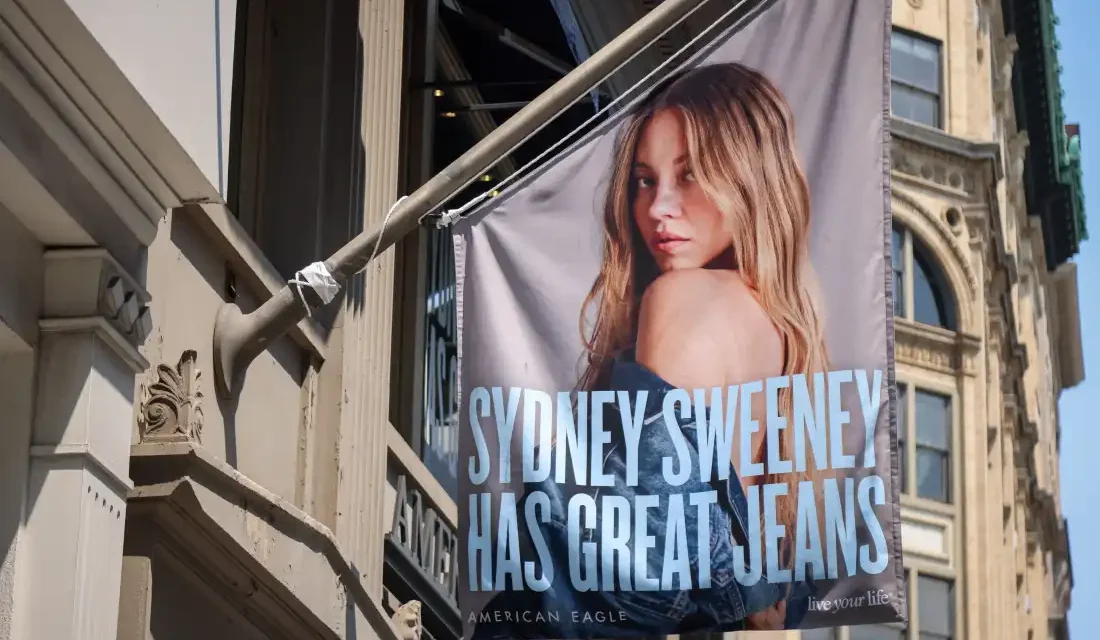
In New York, outside an American Eagle store, an advertisement featuring actress Sydney Sweeney drew attention. The ad’s tagline, “Sydney Sweeney has great jeans,” stirred controversy over potential eugenics reference—alluding to Sweeney’s appearance.
But another issue arises concerning the garment workers producing those jeans. Most operate in Asia, including the slums of Karachi, Pakistan. Here, amidst pools of sewage, a single mother recognizes the denim worn by Sweeney. She has labored on the production lines for American Eagle, familiar with those designs.
I know how all of them are made, because I have worked on them,she says.
Dissecting the Controversy
The advertisement sparked debate upon its release, with many questioning its implications. American Eagle responded by stating that the tagline referred to the quality of the jeans. However, this debate overlooked the real makers of these clothes—the workers themselves.
Conditions of Garment Workers
S., a woman who works for Artistic Garment Industries in Karachi, represents these workers. She earns around $144 a month to support her family. The factory is exceedingly hot, often surpassing outdoor temperatures, which reached 106°F during our visit. Meeting production targets means compromising on hydration and rest.
“I feel faint, and I can barely stand,” S. recounts, describing fainting spells due to inadequate water breaks.
Artistic Garment Industries, which acknowledges making clothes for American Eagle, denies pushing out workers who raise concerns. They claim a strong complaints system exists. Conversely, several workers express fears of losing jobs if they complain.
Exploring Fast Fashion’s Broader Impacts
The investigation shifted beyond American Eagle, uncovering the fast fashion issue. Workers produce clothes for multiple brands at once. These include Levi’s, Massimo Dutti, The Gap, and H&M. They perform arduous tasks, like stitching 200 sleeves an hour, in sweltering environments.
Jason Judd from the Global Labor Institute says, “You’ve got all those bodies, all that material, all that machinery putting off heat,” resulting in conditions exacerbated by climate change. Cara Schulte from Climate Rights International reports similar findings.
Worker Survival Stories
In Dhaka, Bangladesh, R. works six days a week, twelve hours each day, for $140 a month at MBM, a denim factory for Levi’s. She faces constant pressure to meet high targets, resulting in extreme measures like avoiding hydration to skip bathroom breaks.
Despite struggling with heat and fatigue, R. prefers not to complain, fearing job loss. “Allah has kept me safe,” reflects R., recognizing her relative stability.
Industry Responses and Criticisms
To address these conditions, the International Accord emerged post-2013 disaster in Bangladesh, enforcing worker safety. Pakistan adopted similar agreements in 2023.
Yet, heat stress remains unchecked mainly due to cost barriers. Audit systems meant to ensure workplace standards exist. However, workers reveal being coached to present favorable conditions, undermining these checks.
Anna Bryher of Labor Behind the Labels identifies discrepancies in reported conditions, stating the current system does not reflect worker realities. Artistic Garment Industries rejects these claims, attributing them to routine briefing sessions.
Manufacturers like Levi Strauss and Inditex recognize the need to improve conditions. Responses to NPR inquiries from various brands emphasize commitments to rectify alleged conditions, with H&M involved in pilot programs addressing heat stress in Pakistan.
Overall, despite brand assurances, conditions remain challenging for workers. Fast fashion’s demand for quick, cheap production perpetuates their plight.
 Highlights from Recent News Stories
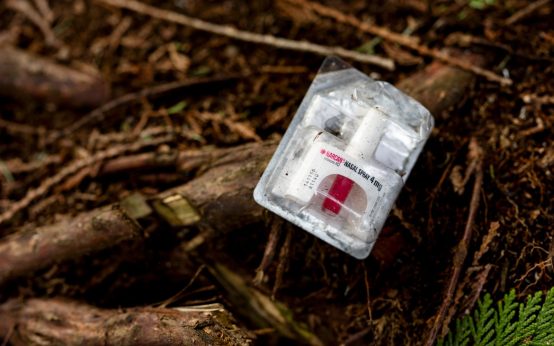 DEA Dismantles First U.S. Large-Scale Nitazene Lab
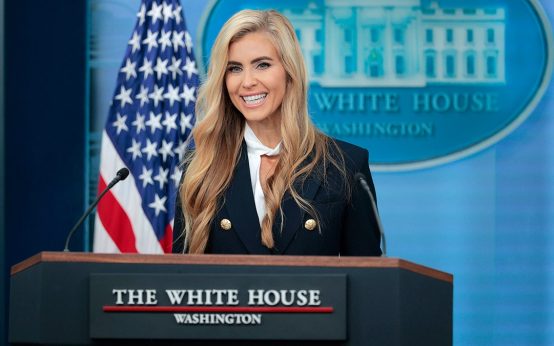 Former Press Secretary Criticizes GOP’s Election Strategies
 Lego Fortnite Supply Llama: A Tween’s Dream Gift with Huge Savings
 Developments in Bar-tailed Godwit’s Migration, Trump-Cornyn Dispute, and Measles Resurgence
 Trump and Cornyn Clash Over Judicial Nomination