
In 2016, the anticipation for autonomous vehicles was palpable. Significant investments poured into self-driving technologies, and Ford made headlines by predicting that it would mass-produce autonomous cars by 2021.
“That period was filled with announcements,” recalled Alan Hall, once a communications manager at Ford. Yet, by 2026, fully autonomous vehicles remain a rarity. Only a few cities host robotaxi services, and autonomous trucks are still largely experimental.
Many companies that were promising in 2016 have since withdrawn. Luminar went bankrupt last December, and General Motors shut down Cruise in 2024 to pivot towards personal vehicles.
However, new paths have emerged for these technologies. Innovations like ground-penetrating radar, 3-D radar, and advanced lidar now find applications in diverse fields such as smart city infrastructure and elder care. They manage colossal shipyard equipment and oversee towering wind turbines.
Lidar in particular is widely adopted. The technology uses near-infrared light to render three-dimensional surroundings. This capability enhances traffic monitoring systems that struggle with challenges like bright daytime light or complete darkness.
 Expansion of Data Centers Fueled by AI Development
  Beijing’s Tactical Undermining of U.S. Supremacy Through AI
 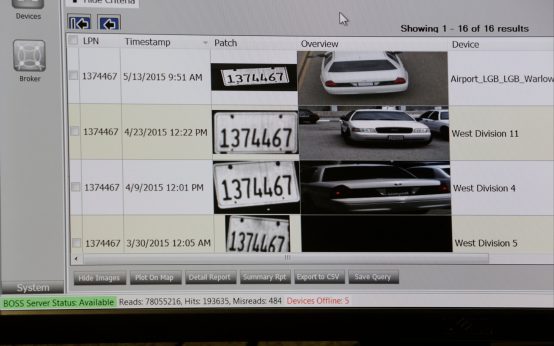 Controversy Surrounds Automated License Plate Readers Across the U.S.
  Trump and Harp Sued Over Truth Social Subscriber Program
  Implications of AI in College Admissions
  Congressional Inaction Amid AI Concerns