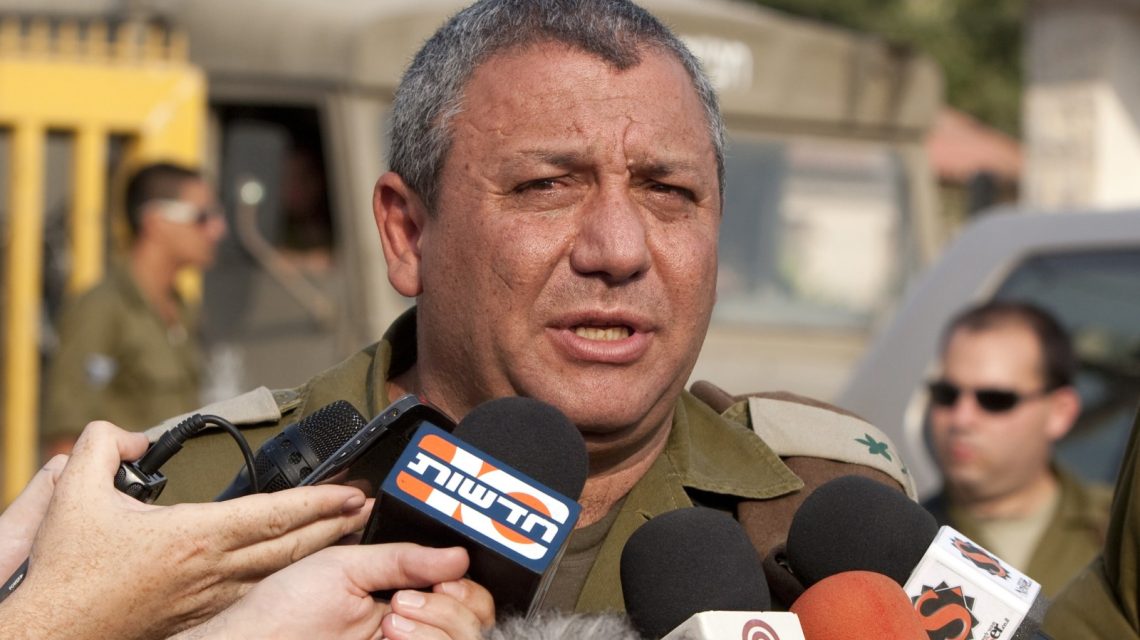
As Israeli Prime Minister Benjamin Netanyahu struggles to stay in power, his rival Gadi Eisenkot is viewed with suspicion by Hezbollah, the Iran-backed group in Lebanon. Tensions between Eisenkot and Hezbollah are longstanding, tracing back to the 2006 conflict when Eisenkot, then a senior Israeli commander, helped inaugurate the ‘Dahiyeh doctrine.’ This strategy targeted civilian infrastructure in Hezbollah strongholds, causing widespread destruction in southern Beirut.
Despite his past, Eisenkot may represent a shift as Israel and Hezbollah continue to clash amid a three-year regional crisis. According to Amal Saad, a politics lecturer and Hezbollah expert, the group views the Israeli political situation as a continuation of existing strategies, with no significant shift signaled by Netanyahu’s potential ouster.
Eisenkot’s hawkish reputation persists. In 2008, as head of the IDF’s Northern Command, he emphasized targeting civilian populations to pressure Hezbollah’s leader Hassan Nasrallah. Rising to IDF chief of staff and later a minister under Netanyahu, Eisenkot has not softened his stance, challenging Netanyahu for what he sees as insufficient aggression.
Under Eisenkot, the principles of the Dahiyeh doctrine have evolved. Expanding beyond deterrence, recent military strategies now suggest ambitions for occupation and potential territorial annexations, according to former Israeli National Security Council deputy head Eran Etzion.
Etzion observed that Israel’s military approach has transformed dramatically, embracing practices previously considered unacceptable, raising ethical concerns about civilian impact and military engagement rules.
Diplomatic efforts, such as those seen when President Donald Trump brokered a temporary ceasefire, rely heavily on geopolitical dynamics between the U.S. and Iran. Such negotiations remain challenging given complex regional alliances and interests.
The U.S. has facilitated rare peace discussions between Israeli and Lebanese officials to buffer Hezbollah’s influence. However, significant political risk remains, with Lebanese leadership navigating the delicate balance of containing Hezbollah while avoiding renewed sectarian conflict.
Barbara Leaf, former U.S. assistant Secretary of State, critiqued Netanyahu’s lack of political engagement alongside military efforts. She highlighted the adverse effects on Lebanon’s government efforts to curb Hezbollah’s power without sparking further conflict. The IDF’s recent operations across Lebanon only exacerbate public sentiment and political complexities.
Eisenkot’s experience could guide a nuanced approach amid Israel’s broadened military capabilities. Over two decades, both he and Israel’s military strategies have matured, considering wider strategic priorities beyond sheer force.
Hezbollah’s tactical adaptations reflect ongoing regional power shifts, as shown by their innovative use of technology in recent conflicts. While Eisenkot’s stance remains firm, differences with Netanyahu may lie in strategic judgment and integrating military action with diplomacy.
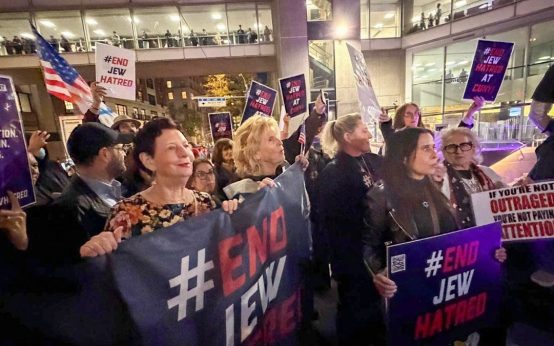 Allegations of Anti-Jewish Discrimination at CUNY School
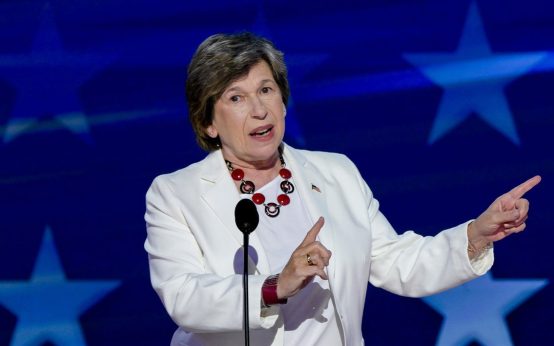 School Choice and the Texas Education Debate
 Trump’s Cryptocurrency Ventures and Their Impact on Supporters
 Amy Klobuchar’s Challenge as Minnesota Governor
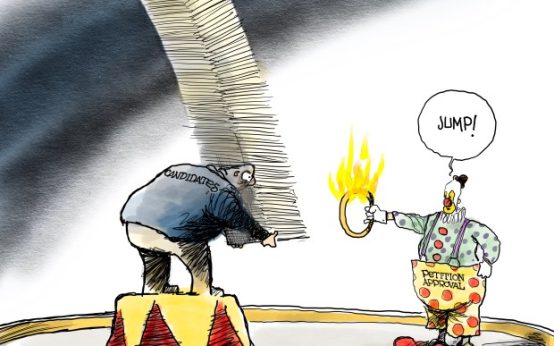 The Purpose and Challenges of Signature Collection for Political Candidates in Illinois
 Gray Wolves Stir Controversy Over Wildlife Management