
Thanksgiving holds a distinctly American identity, drawing roots from a historical narrative taught to young students. Annually, children hear of the initial celebration. It tells of the Pilgrims’ survival in New England, aided by Indigenous people, leading to a feast to express gratitude. However, contemporary celebrations connect more to a constructed myth than the actual historical event.
The Historical Origins of Thanksgiving
Existing accounts of the 1621 harvest by Pilgrims offer limited insight into what foods were present. Venison and turkeys were mentioned among the seasonal fare. This historical gathering’s direct correlation to today’s Thanksgiving was shaped in the 19th century. The purpose was to unify Americans and assimilate newcomers into the national culture.
The Role of Sarah Josepha Hale
Sarah Josepha Hale, an influential figure born in New Hampshire in 1788, played a crucial role in shaping Thanksgiving. In the 1830s, as the editor of Godey’s Lady’s Book, Hale promoted the holiday. The magazine featured instructions for a Thanksgiving celebration, suggesting a menu centered around turkey and cranberry sauce. Hale’s efforts reached the home, emphasizing family and national unity during a time marked by economic and social shifts.
Hale urged for a national holiday, petitioning five U.S. presidents. Ultimately, Abraham Lincoln established Thanksgiving to foster unity amidst the Civil War. Women in the North sent Thanksgiving meals to soldiers, while figures like Sojourner Truth raised funds for African American troops’ dinners.
The Role in Assimilating Immigrants
Thanksgiving also served as a tool for immigrant assimilation, visualized in political cartoons like Thomas Nast’s 1869 depiction of diverse American races at the table. This image, printed a year after citizenship was granted to U.S.-born individuals, promoted inclusivity. Contrasting views, like G.F. Keller’s 1877 cartoon, reflected skepticism about immigrants becoming American. However, many believed assimilation was possible if immigrants abandoned old traditions and embraced American customs.
Education and Cultural Adaptation
By the early 20th century, public schools taught Thanksgiving traditions, sending kids home with recipe cards to recreate meals like those Hale popularized. Schools framed Pilgrims as forerunners to all Americans, glossing over colonization aspects. The holiday’s emphasis on shared traditions offered a pathway for diverse groups to integrate into national myths.
Many immigrant families adapted Thanksgiving. Jewish families utilized Crisco to make kosher meals without mixing meat and milk. Personal variations in celebration allowed families to partake in American culture while maintaining their unique identities.
Despite being rooted in a myth meant for unity, Thanksgiving endures as a holiday of belonging. Generations affirm their place in America at tables adorned with both traditional and culturally diverse dishes.
 Advocates Attend NWSL Championship Amid Tensions
 Reviving Interest in Helen Hoover’s Life and Work
 Test Your Knowledge with the American Culture Quiz
 Exploring Life After Retirement through Podcasting
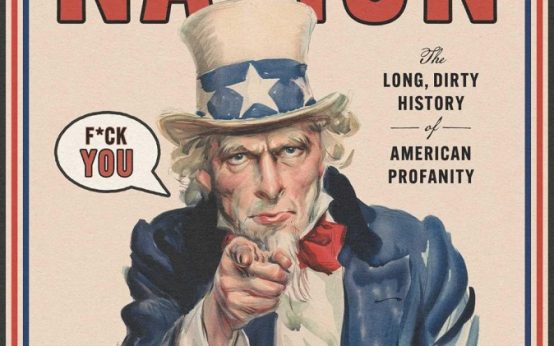 Exploring the History of American Profanity
 Discovering Fellow Book Lovers on a Late Fall Day