An unexpected discovery in Wales has excited archaeologists, revealing a Roman fort where no one anticipated finding one. Mark Merrony from Wolfson College, Oxford, shared insights with Fox News Digital about recent excavations at this site. Among the findings were numerous artifacts, including ceramic tiles. There’s also a potential link to Welsh folklore and an aqueduct, which invites further research.
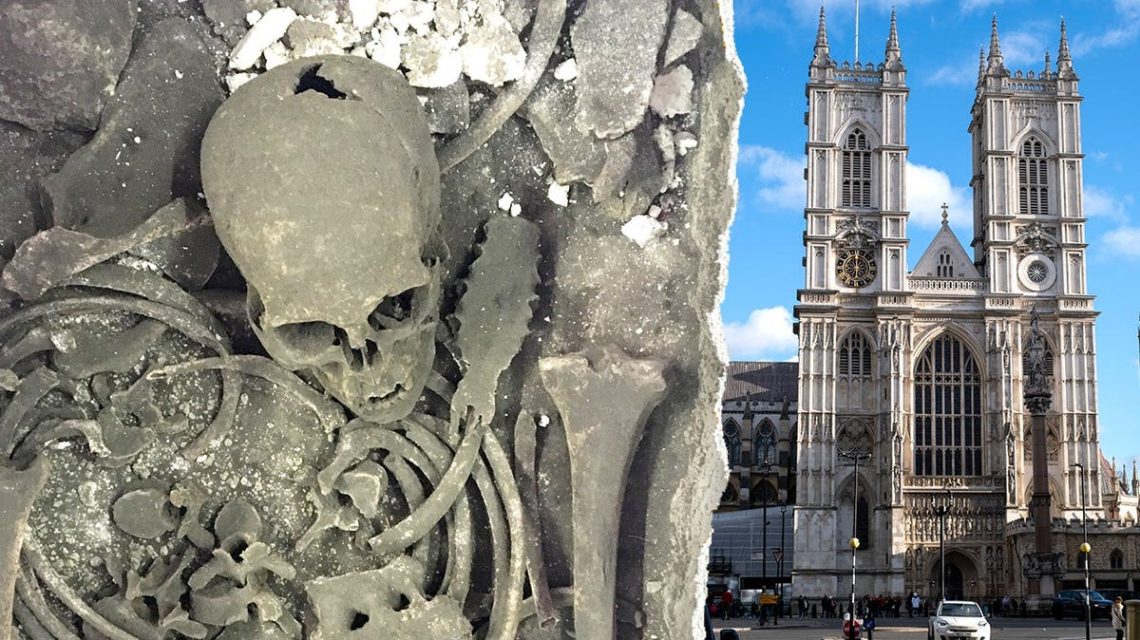
On another front, an archaeologist may have deciphered the mystery surrounding an unidentified skeleton at Westminster Abbey, one of London’s renowned tourist attractions. According to SWNS, this investigation revolves around a skeleton found in 1869. It lay within a Roman limestone sarcophagus inscribed for Valerius Amandinus, a wealthy Briton from the 4th century. However, the remains inside did not belong to him.
A study in the Journal of the British Archaeological Association, led by Warwick Rodwell, sheds light on this century-old enigma. The work follows a 2025 excavation of the Abbey’s vestry, necessary for the construction of the new King Charles III Sacristy, slated to open in 2027.
Researchers believe the skeleton could belong to one of two high-ranking medieval monks from the 11th century, possibly Aelfwig or his successor Wulnoth. Carbon dating situates the bones between 987 and 1052 A.D., aligning with the lifespans of both monks.
Rodwell noted an early medieval Latin cross carved into the sarcophagus lid. This symbol had puzzled experts since the 19th century as it did not match the Roman era of the casket. Through analysis, it was determined that the sarcophagus, though recycled, was a prestigious resting place.
The individual was likely between 35 and 49 years old and stood 5 feet, 9 inches tall. He was honored with this “fine” sarcophagus and a wooden coffin, traces of which remain as white lime residue inside the stone casket. The sarcophagus is now displayed at Westminster Abbey’s Queen’s Diamond Jubilee Galleries.
This finding is among the recent skeletal discoveries across England, offering a glimpse into the country’s medieval era. In 2025, excavations at the University of Gloucestershire revealed 317 skeletons and the ruins of a medieval church.
Meanwhile, at the Tower of London, an excavation in 2025 uncovered remains of 20 individuals, including a mass grave from the 14th century, possibly tied to the Black Death.
 Global Events and Key Developments
 Human Lifestyles Impact Dogs’ Gut Health
 Underwater Encounter with Deep-Sea Giant
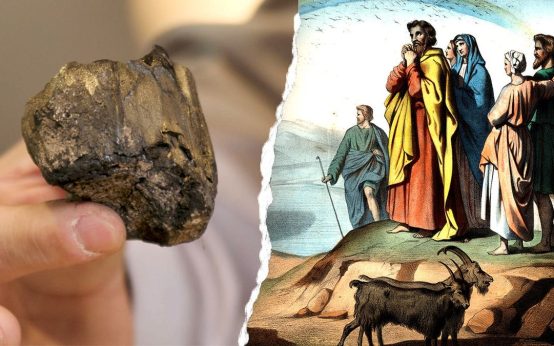 Researcher Claims Discovery of Ancient Wood Aligns with Noah’s Ark Timeline
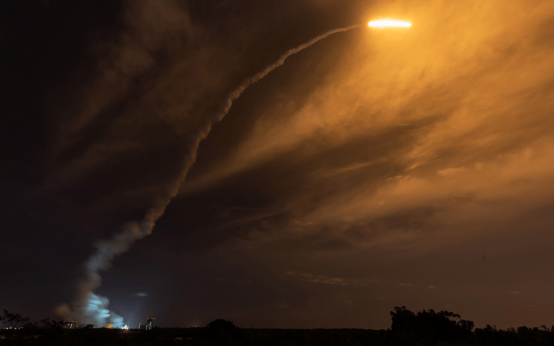 BepiColombo Mission: Reaching Mercury and Unveiling Mysteries
 Brussels Sprouts: The Transformation of a Disliked Vegetable