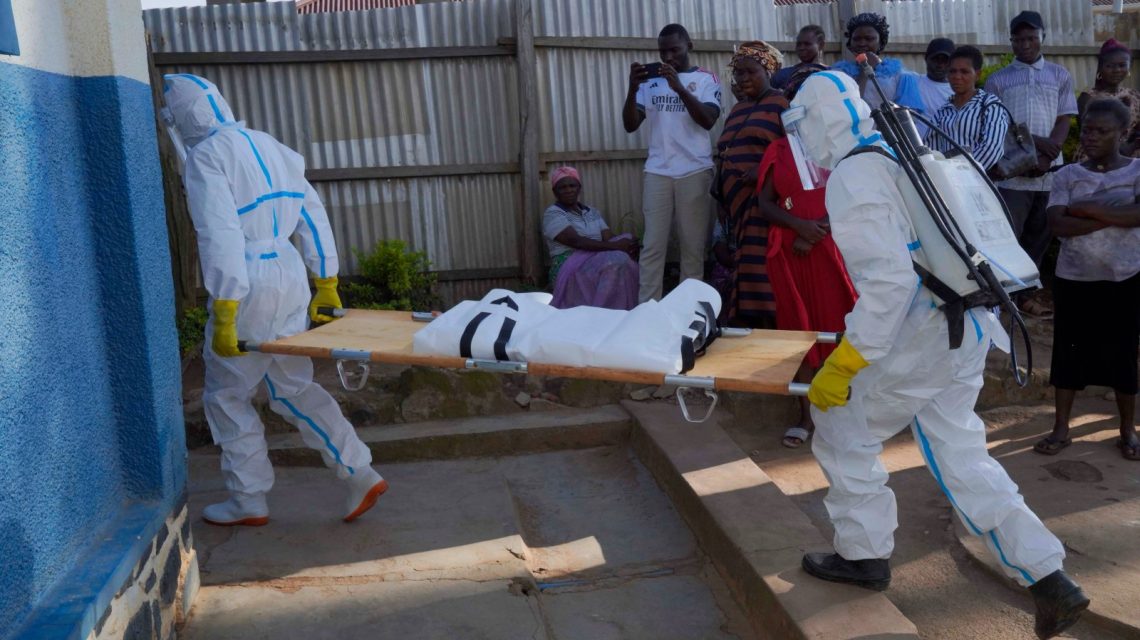
The Ebola outbreak in the Democratic Republic of the Congo (DRC) presents a severe challenge, exacerbated by ongoing conflicts, distrust in authorities, and challenging terrain. The World Health Organization (WHO) has recorded a death rate of nearly 50%, with 5,678 deaths out of 11,613 confirmed cases as of November 17. The outbreak, which began in May and involves the Bundibugyo virus, is now recognized as the largest on record, according to the Centers for Disease Control and Prevention (CDC).
Spread and Cross-Border Concerns
The virus recently spread to Kenya, following earlier cases in Uganda, highlighting the risk of cross-border transmission. Managing the outbreak remains a significant challenge for the DRC.
Impact of Armed Conflicts
The outbreak is concentrated in Eastern Congo, notably in Ituri and North Kivu, where armed conflicts create dire conditions for health workers. Assaults on health facilities and workers by rebel groups, including the Rwanda-backed M23 and the Allied Democratic Forces, complicate response efforts. WHO chief Tedros Adhanom Ghebreyesus reported intense fighting near a hospital in Ituri, impacting Ebola response initiatives. He stressed that these attacks have increased since October, severely affecting response efforts. “The best medicine is peace,” Ghebreyesus stated.
Mistrust and Skepticism
Distrust in authorities and medical workers hinders efforts to manage the outbreak in remote and rebel-controlled regions. Historical conflicts and human rights abuses contribute to residents’ wariness of external interventions. Julienne Anoko, a WHO officer, noted that some communities attribute Ebola to poisoning or sorcery, or see it as a tactic by foreign entities to exploit the DRC’s resources. Earlier cases, like the family that resisted Ebola containment measures after losing a daughter, illustrate these challenges.
Difficult Terrain
Poor infrastructure in Eastern Congo complicates the delivery of supplies and slows the Ebola response. Transporting materials to affected areas can take up to four weeks due to challenging geography. Jerome Bertrand of Handicap International commented on the delays caused by rugged terrain. Efforts to improve this include decentralized testing, allowing for quicker diagnosis in areas like Mongbwalu. This local testing can provide results in less than an hour. The DRC has recorded Ebola cases in 68 health zones across eight provinces, with 48 zones reporting at least one new case in recent weeks.
Contact Newsweek editors for more details on this topic: Henry Holloway and Emma Lee-Sang.
 Struggles and Perseverance: A Wife’s Experience with Her Husband’s Epilepsy
 Understanding Sexual Enhancement Supplements: Facts and Risks
 Hurricane Lowell’s Impact on Kauaʻi and Medicaid Challenges
 Frequent Earthquakes Rock L.A. County’s South Bay
 Failures in Health Care Highlighted in Federal Bureau of Prisons Report
 Denmark Develops Vaccine Targeting Multiple Food Allergies