On Kauaʻi, a month after Hurricane Lowell struck, signs of destruction remained visible. Debris and fallen trees scattered across neighborhoods, indicating the hurricane’s severe impact. The Sheraton Kauaʻi Resort experienced significant damages, leading to the layoff of over 100 workers. The resort’s sandy grounds, crumbling pool deck, and proximity to the ocean emphasized the struggle to rebuild.
Unemployment claims soared from 69 before the hurricane to approximately 1,800 two weeks later. The tourism sector faced widespread layoffs due to a drop in visitors. Medicaid applications by residents increased by about 50% during October, explained by the Hawaiʻi Department of Human Services. Medicaid offers essential healthcare coverage during emergencies. However, new work rules from the One Big Beautiful Bill Act, signed by President Trump last year, threaten this safety net for some. The legislation mandates that many Medicaid enrollees in 43 states and Washington, D.C., must work, volunteer, or attend school for at least 80 hours monthly, with eligibility checks starting in January.
States can grant short-term exemptions from Medicaid work requirements to disaster-affected residents. Federal law allows the president to issue a disaster or emergency declaration, enabling federal aid. Yet, these declarations can take months or may never occur. Residents in counties hit by natural disasters might avoid work rules due to carve-outs allowing exceptions. But it’s unclear if those who lost jobs after Hurricane Lowell would qualify for an exemption months later. The Trump administration hasn’t clarified the duration of a state applying the natural disaster exemption to Medicaid enrollees.
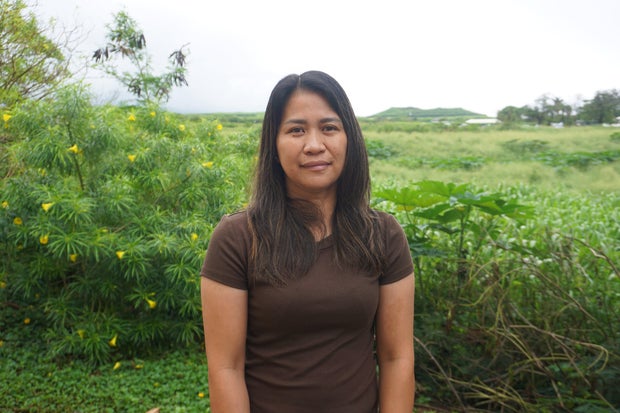
Rochelle Ganotisi, a mother of five, experienced layoffs at the Sheraton Kauaʻi Resort, affecting her family financially. Unemployment payments and part-time jobs support them temporarily. The hospitality workers’ union secured three months of health insurance for the laid-off staff. Without regaining her position, Ganotisi plans to apply for Medicaid, which serves low-income or disabled individuals.
Governor Josh Green of Hawaiʻi highlighted the importance of timely disaster declarations with Medicaid changes on the horizon. The Centers for Medicare & Medicaid Services (CMS) postponed enforcing work requirements until next July, but states must begin eligibility checks by January 1. “Sudden loss of Medicaid benefits for 40,000 to 50,000 people could devastate our rural hospitals, nurse practitioners, and doctors,” Green noted, emphasizing quick action.
At least 34 states and Washington, D.C., will adopt optional hardship exemptions for Medicaid work requirements. However, states like Indiana, Iowa, Missouri, and Ohio haven’t adopted these exemptions, despite receiving disaster declarations. CMS spokesperson Timothy Foster stated that states could request extended hardship exemptions if work requirement barriers persist in disaster areas.
Tom Cotter, CEO of Health Response Alliance, emphasized the increased burden on emergency rooms and clinics when people lose coverage. During emergencies, patient loads spike, increasing healthcare system costs. Cotter expressed concern over the new work requirements slowing economic recovery in affected communities.
Nebraska’s experience with early Medicaid work requirements previews potential outcomes. In Nebraska, federal disaster declarations for March and April wildfires were delayed until August. Some Nebraskans lost coverage without meeting work requirements, but were later reprocessed for hardship exemptions.
Local economies can struggle for years post-disaster. Approximately 90% of businesses failed within two years in disaster-struck areas, as stated by the U.S. Small Business Administration. Housing shortages further impede recovery. Three years post-2023 Maui wildfires, many storefronts remain closed.
Several Democratic states sued CMS, challenging the narrow time frames for securing disaster exemptions. The lawsuit argues that unclear guidance burdens state Medicaid agencies. CMS defended its stance, asserting that restrictions ensure exemptions apply when disasters hinder Medicaid enrollees’ compliance with work requirements.
President Trump’s second term has seen a higher rate of denied disaster and emergency declaration requests, according to KFF Health News. States with Democratic governors experienced longer wait times and higher denial rates compared to Republican ones. The presidential disaster declaration for Kauaʻi marked Hawaii’s sixth for the year. Other states also faced delays in declaration decisions, impacting recovery efforts.
Oscar Cardova, a former employee of The Terrace Hanalei restaurant, lost health insurance after the hurricane. Cardova’s Medicaid application was denied due to his immigration status. He and his wife now live in a van, planning to move for work opportunities. Without insurance, medical expenses, like glasses for his wife, strain their finances. “We’re surviving,” Cardova says, hoping conditions improve soon.
 Frequent Earthquakes Rock L.A. County’s South Bay
 Failures in Health Care Highlighted in Federal Bureau of Prisons Report
 Army’s Plan to Detonate Lead Azide Delayed Again Amid Environmental Concerns
 Denmark Develops Vaccine Targeting Multiple Food Allergies
 Reevaluating Coastal Strategies in the Face of Rising Seas
 Negotiators Struggle to Agree at UN Climate Talks in Turkey