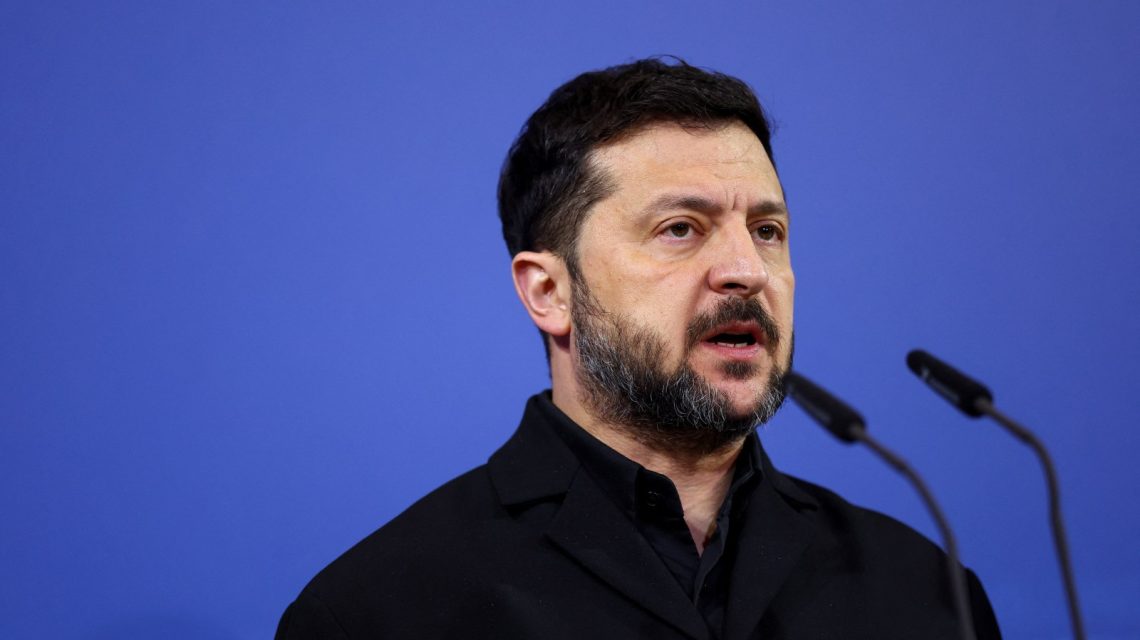
The Russia-Ukraine conflict presents two seemingly opposing trends. There’s a clear escalation, marked by Ukrainian strikes on Russian vessels far afield and Moscow’s missiles striking a NATO ally. Simultaneously, a push for peace emerges, with U.S. officials indicating Russia’s acceptance of a security guarantee for Ukraine akin to Article 5, and potential peace negotiations scheduled for January 2027. Talks continue in Abu Dhabi.
These contrasting forces may be interlinked. As peace appears closer, both sides have greater incentive to strengthen their positions before negotiations halt, leading to increased offensive activities.
Heightened War Activities
Italy’s foreign minister, Antonio Tajani, noted that once peace discussions commence, military activities often intensify. Ukrainian President Volodymyr Zelensky expressed that Ukraine negotiates a price for peace that could arrive sooner. The U.S. urges a peace deal before the new Democratic-majority Congress takes over, following midterm elections.
Escalation might pave the way for peace, yet it requires clarity. With growing tensions from the Baltic to Benghazi, managing escalation becomes challenging. On Friday, Russian missiles landed in southeastern Poland, close to European troops conducting postwar mission exercises for Ukraine. Donald Tusk, Poland’s prime minister, described it as “an intentional provocation.”
Meanwhile, Putin dismissed a moratorium on energy infrastructure attacks, following Ukrainian strikes on the Kerch Bridge. Ukraine experienced increased aerial strikes, including in Kyiv.
Recent Intensifications
This weekend saw further escalation. Ukrainian drones set a Russian cargo ship ablaze in international waters; it drifted into Finland’s waters where crews from Finland, Estonia, and Russia responded. Finnish Prime Minister Petteri Orpo acknowledged Ukraine’s right to “fight back against the aggressor.”
On Sunday, Ukrainian sea drones capsized a Russian corvette in Benghazi, Libya. The message was clear: Russian assets are vulnerable everywhere.
Negotiating Peace Amid War
Despite the chaos, Trump believes in the potential for a Ukrainian peace deal soon. His envoy, Jared Kushner, claims Russia is “comfortable” with NATO-style security guarantees for Ukraine. European diplomatic engagement with Russia has risen.
Historical parallels appear with Korea, where armistice talks ran for over two years amidst ongoing conflict. A similar situation plays out now, as Ukraine targets Russian ships, raising operation costs for Moscow and seeking leverage in talks.
Zelensky deems Russian-flagged vessels and sanctioned cargo legitimate targets in broader waters. Conversely, Russia strikes Ukraine’s energy infrastructure, worsening winter conditions, and exerting pressure.
Implications of Continued Conflict
Negotiations have resumed without a ceasefire precondition, complicating progress. Russia’s refusal to accept tentative American proposals on NATO “quasi membership” for Ukraine exemplifies the negotiations’ complexity.
The last Abu Dhabi talks yielded a prisoner exchange but no lasting agreement. The path of 1914 looms; local conflict expansion due to alliances and misjudgments is a risk.
Russia’s subtle attempts to test NATO allies could trigger collective defense responses under Article 5. Britain’s defense intelligence head warns that miscalculations present the greatest danger.
Resolving the Ukraine war could significantly reduce miscalculation risks. Early 2027 might bring peace, as counterintuitively, escalation serves as a tool for resolution. Nonetheless, a Korea-like scenario of endless negotiations amid continuous conflict remains plausible.
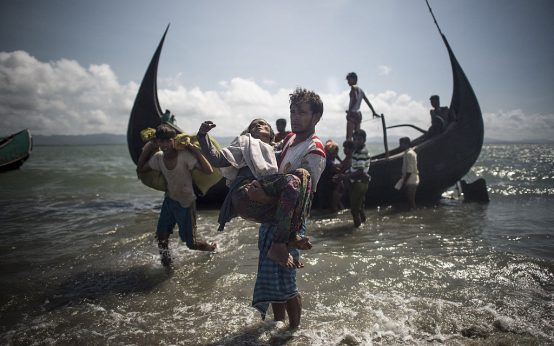 The Rohingya Refugee Crisis and Bangladesh’s Response
 Pope Francis’ Personal Struggles and Spiritual Reflections
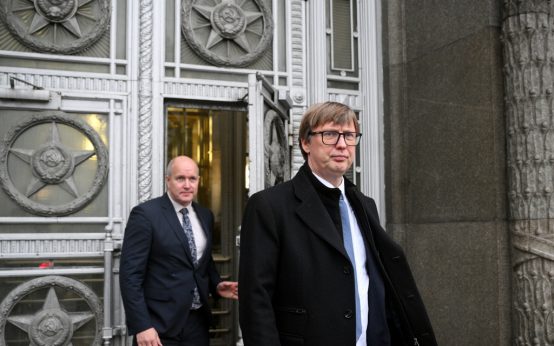 Rising Tensions Between Russia and Estonia
 Evacuation of Thousands from Don Toliver Concert Due to Unknown Irritant
 Confusion Over Istanbul Lioness Search
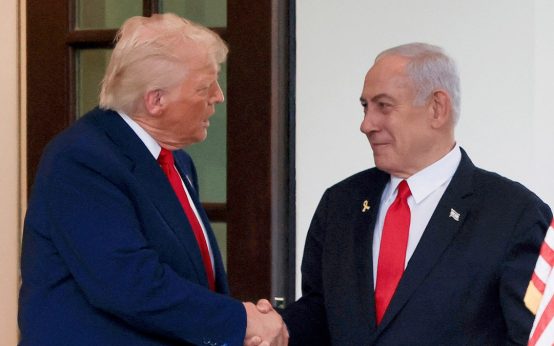 U.S.-Israel Alliance: Balancing Costs and Benefits