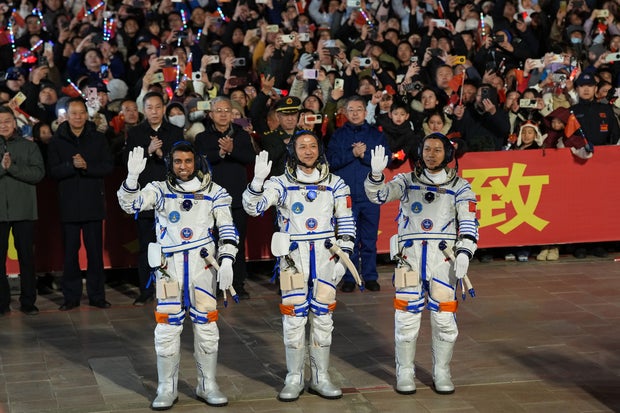
On Wednesday, China successfully launched the Shenzhou 24 spacecraft, taking three astronauts to its space station from the Jiuquan Satellite Launch Center in northwestern China. This historic mission includes two Chinese astronauts, Tang Hongbo, aged 51, and Wu Yi, aged 39, along with Muhammad Zeeshan Ali, a 40-year-old astronaut from Pakistan. Ali’s participation marks the first time a foreign crew member has joined China’s manned space program.
The launch, which happened on Wednesday morning, saw the spacecraft separate from the rocket and enter its designated orbit. This event is significant as it represents the first joint space venture between China and another nation, part of an agreement with Pakistan established in February 2025.
Prior to the launch, a send-off ceremony drew large crowds, with spectators capturing images of the astronauts waving goodbye on November 25, 2026. Ali, Wu, and Tang will carry out over 90 scientific and technology experiments during their mission, as reported by Xinhua, China’s official news agency. Ali’s specific role involves conducting a photosynthetic cyanobacteria experiment during his short mission before returning to Earth aboard Shenzhou 23.
Pakistan’s Prime Minister, Shehbaz Sharif, expressed his support on social media, highlighting the strong ties between Pakistan and China. According to Sharif, their collaboration is ‘surpassing the heights of the Himalayas in its journey to outer space.’ This relationship allowed for Ali’s historic flight alongside Chinese astronauts.
This mission marks Ali and Wu’s first spaceflights, while Tang embarks on his third venture to the Tiangong space station. Tang is now the first astronaut to make repeated visits to Tiangong. During a press conference, Tang discussed challenges such as language and cultural differences. However, both teams have worked diligently to achieve effective collaboration.
Ali demonstrated his efforts in learning the Chinese language by quoting Chinese poetry, relating it to his daily progress and aspirations. He expressed his hopes for future deep space collaborations, envisioning missions to the moon and Mars.
China’s space ambitions also include the recent launch of Shenzhou 23 in May, supporting crew members that undergo longer missions. The nation plans to conduct its first crewed lunar landing by 2030. Meanwhile, NASA, recognized as China’s primary space competitor, aims to land American astronauts on the moon by 2028.
 Illegal Immigrant Ábrego García Leaves the U.S. for Spain Amid Legal Battle
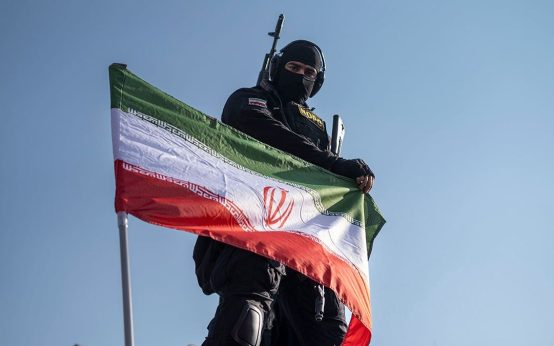 Iranian Protesters Face Imminent Execution Amid Criticism
 Pope Francis’ Spiritual Battle: Diary Exposes Inner Turmoil
 Hostage Situation Unfolds in Cartagena Supermarket
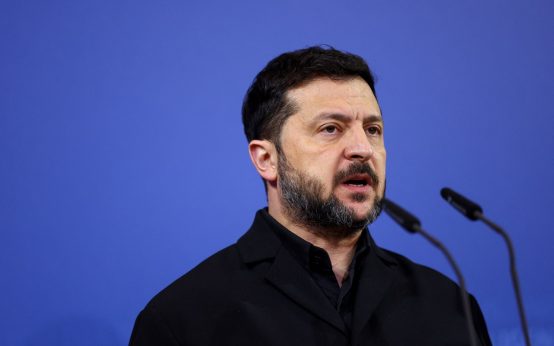 Complex Dynamics in the Russia-Ukraine Conflict
 The Rohingya Refugee Crisis and Bangladesh’s Response