Tidal has announced a significant update to its platform’s music policy. Starting December 9, Tidal will ban any music entirely generated by artificial intelligence (AI). The decision aims to ensure that Tidal remains a prime space for artists to share genuine work and for listeners to enjoy authentic music.
According to a statement posted on X, previously known as Twitter, Tidal will also prohibit distributors from supplying AI-generated tracks. However, music created with the assistance of AI tools will still be permitted. Tidal’s policy centers on delivering a positive experience for listeners while safeguarding the originality and rights of artists.
“Tidal will always advocate for artists to receive fair compensation,” the company stated. “This update backs that up. Artists should be able to distribute music on Tidal without it being overshadowed by unrequested tracks or imitated by others.”
Newsweek has reached out to Tidal for further comments.
Ownership of Tidal
Tidal is a service owned by Block, Inc., previously known as Square, and was co-founded by Jack Dorsey and Jim McKelvey. It was launched in 2010 by the Scandinavian company WiMP. In 2014, Aspiro expanded the service into the U.S., U.K., and Canada. Jay-Z’s Project Panther Bidco Ltd acquired Aspiro in 2015, transforming Tidal into the first artist-owned music streaming service. Prominent artists like Beyoncé, Rihanna, Nicki Minaj, Jack White, and Alicia Keys have held stakes in the company. In 2021, Dorsey purchased a majority share for nearly $300 million, with Jay-Z remaining on the board of directors.
Tidal’s AI Policy
In its previous stance, Tidal accepted AI-generated music with restrictions. Such music was labeled and couldn’t exploit an artist’s likeness or deceive listeners, with AI songs being excluded from streaming royalties. Recently, Tidal revealed that 43% of tracks on its platform in the last 90 days were entirely AI-generated, citing a large influx in November.
Tidal has encountered significant issues with AI-generated content misleading audiences and impersonating artists. This has led to over 65,000 tracks being removed for such violations. According to Robert Andersen, Tidal’s Music Lead, tagging and demonetizing AI-generated music is insufficient. AI music will be eradicated by the end of the year, which involves deleting around 29 million songs. Andersen emphasized Tidal’s pioneering stance as a platform banning AI music ahead of Spotify and Apple Music.
AI Policies of Other Music Streamers
Spotify’s policy from last year requires labeling AI music and filtering spam. It demands impersonated artist permission for AI clones. Spotify removed over 50 million spam tracks and 75 million AI tracks. The company highlighted the rapid evolution of AI technology and its dual impact on music creation and listener experience.
Apple Music, earlier this year, introduced tags to highlight when AI is used in generating music, lyrics, or artwork. This transparency tag acts as an individual disclosure. YouTube mandates AI content disclosure, while Amazon Music employs systems to prevent AI-led deception and spam, though it lacks explicit AI music policies.
SoundCloud focuses on an artist-first approach, aiming to ward off slop, spam, and fraud. Deezer and Qobuz have taken firm measures to label AI music and exclude it from recommendations. Bandcamp has applied a complete AI song ban, prioritizing human creativity in music production.
 Jensen Huang Retains Security Clearance Amid Scrutiny
 Upgrade Your Audio Experience with Apple AirPods Pro 3
 Huawei Convicted of Trade Secret Theft and Deception
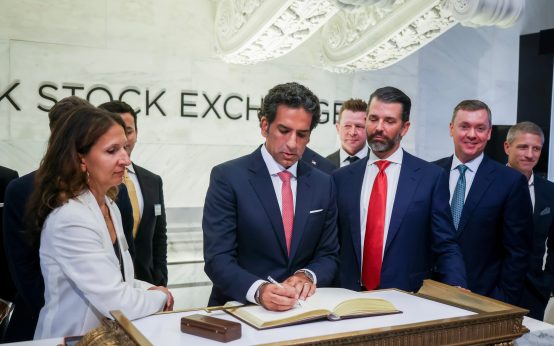 Pentagon Considers $15 Billion Loan to Startup Linked to Trump Jr.
 CIA Unclassified System Breached in Cyberattack
 Criticism and Debate Surround the Reinstatement of Nvidia CEO Jensen Huang