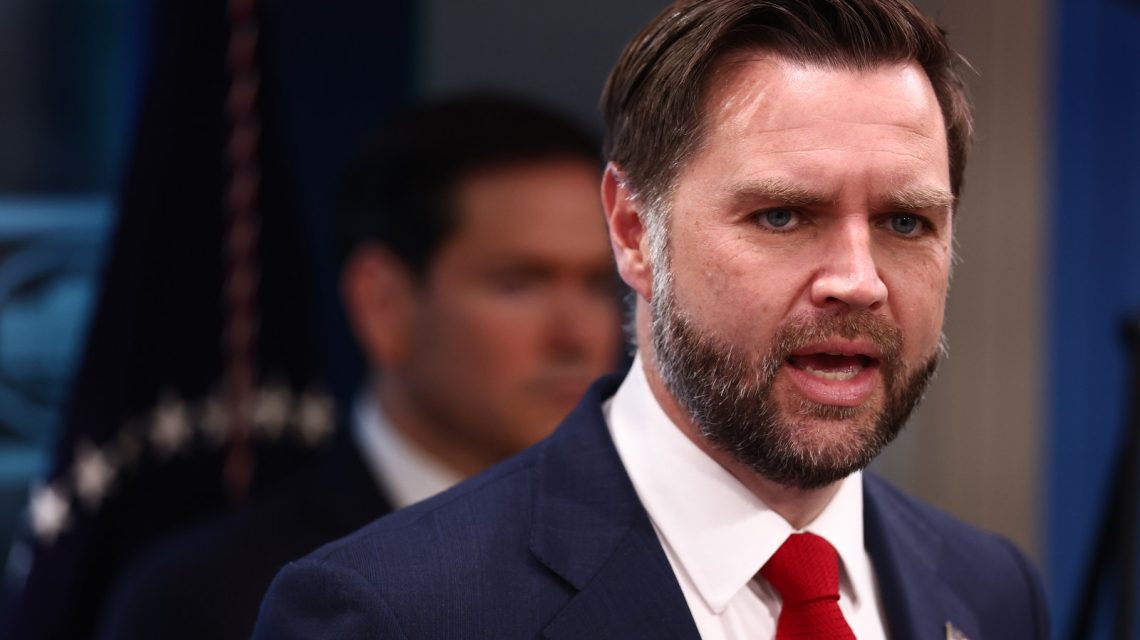
Vice President JD Vance announced his expectations of Nvidia and CEO Jensen Huang to collaborate with the United States in keeping advanced technology secure. Speaking in Ohio, Vance assured that Huang, once mired in controversy over an association with a flagged Chinese businesswoman, has no current charges against him.
“Nvidia produces crucial products that help us stay competitive in the Super Intelligence arms race with China,” Vance said. “We prioritize preventing these chips from reaching the wrong hands. We see an opportunity for Nvidia to adhere to American export controls, and trust Huang will approach this task with seriousness.”
President Donald Trump, without seeing a need to pursue further legal action against Huang, stated that a pardon was possible but unnecessary, as confirmed by Attorney General Todd Blanche that no investigation is ongoing.
Questions about Huang’s affair raised security concerns, prompting Congressional calls for him to testify next week. Wednesday’s press briefing saw Vance addressing the administration’s stance on Huang’s status. “The claims against Jensen originated from an anonymous source within the New York Times,” Vance shared. “Such accusations, absent concrete evidence, should not cost individuals their jobs. The Department of Justice and national security apparatus assure no investigations are pending against Huang.”
Former CIA Director Mike Pompeo, expressing suspicion, noted potential ties between Huang’s past associate and the Chinese Communist Party. Huang is anticipated to answer questions openly in the upcoming hearings.
Insights on Export Controls
AI chips are now seen as part of national security infrastructure in the U.S. They are subject to export restrictions due to their dual-use capability in both civilian and military contexts. These restrictions highlight the ongoing technology rivalry between the U.S. and China.
Although not all semiconductor chips are uniformly restricted, the U.S. government has instituted extensive regulations governing chip exports, especially to China. Recently, documents from the House Foreign Affairs Committee indicated more than 879,000 AI chips had been approved for sale to Chinese companies by May 2026. Nvidia has reaffirmed compliance with the then-existing laws.
Continued Scrutiny from Lawmakers
Despite the Trump administration clearing Huang of fault, lawmakers seek further clarity about his potential knowledge or involvement. Senator Dave McCormick stressed the need for transparency in corporate leadership decisions related to national security sectors.
“While the private sector makes leadership decisions, the government has an essential role in critical industries like semiconductors to maintain national security,” McCormick stated. “Clear boundaries must exist to avoid setting dangerous precedents.”
Representative Jamie Raskin echoed similar sentiments, urging for disclosure of any investigative findings and decisions involving Huang. With upcoming testimonials, these concerns are expected to be addressed.
Upcoming Developments
Next week, Jensen Huang is scheduled for closed interviews with members of several pivotal House committees. Later, he will participate in a public Senate Banking Committee session on December 3. These proceedings aim to shed light on remaining questions and chart the future direction for Nvidia’s role in U.S. technological security.
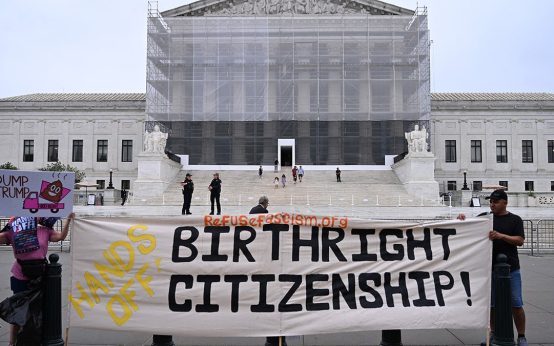 Federal Judge Blocks Trump’s Birthright Citizenship Order
 U.S. Intelligence Examines Alice Huang’s Connections Amid Security Concerns
 Latest Global Events: Violence in Colombia, School Controversy in Texas, Storm Warning, and More
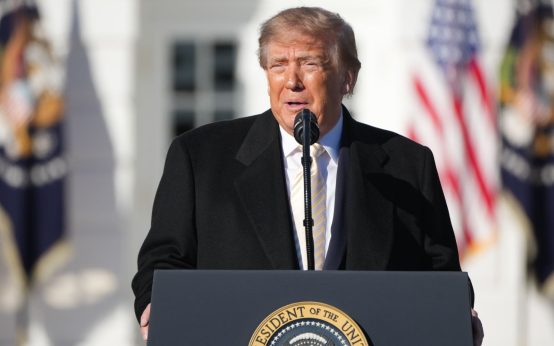 Federal Judge Blocks Trump’s Executive Order on Birthright Citizenship
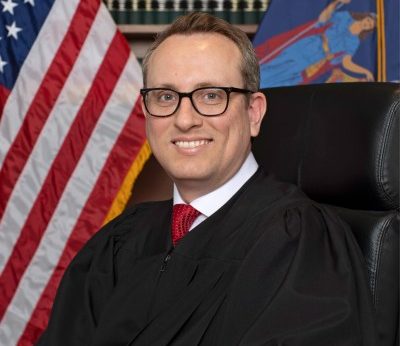 New York Rent Freeze Upheld
 Justice Department Mobilizes Lawyers to Address Migrant Legal Filings Surge