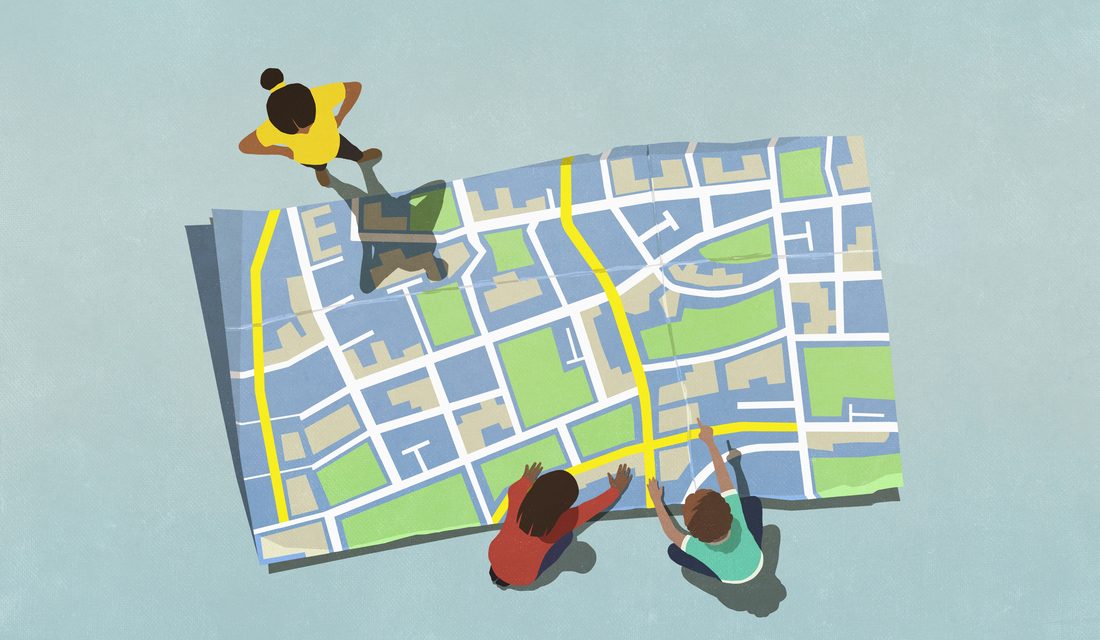
If you want to take charge as a parent, stop trying to control your child. This practical approach comes from psychologist and author Shefali Tsabary, who outlines it in her book, The Parenting Map. The book emphasizes reacting to your child’s behavior consciously rather than controlling it.
According to Tsabary, many parents expect their children to change and attempt to micromanage them without self-reflection. She suggests that often, it’s more about what the parent is doing than the child’s actions. She warns that ‘conscious parenting’ requires effort and mindfulness.
Balancing Authority and Connection
Parents frequently engage in unnecessary power struggles with their children, aiming to be right instead of connecting with them. Tsabary offers tips to become more deliberate in parenting.
Move Away from Shame and Blame
“Shame and blame do not work,” says Tsabary.
She advises against using fear and punishment, as this prevents connection and undermines your child’s sense of security and self-worth. She suggests viewing the relationship as a mutual partnership instead.
Act from a Place of Humility
“Your children are here to live their lives, not yours,” says Tsabary.
Trying to impose your own goals or beliefs can recreate unhealthy dynamics. Look to align choices with your child’s interests, not arbitrary success standards. You can guide them, but not micromanage their growth.
Reframe Disrespect
Refusing to eat vegetables or clean their room might seem disrespectful. Tsabary emphasizes understanding these actions as typical child behavior, not personal attacks. Often, your perception of disrespect is tied to your own emotions and past experiences.
Manage Your Expectations
Parents can unknowingly create scripts for their children’s behavior. Recognize these fantasies and ask yourself why they matter so much. Usually, these stories reveal your desires or unresolved issues.
Be in Charge, Not in Control
Instead of controlling every action, manage your child’s environment. For instance, if you want them to eat fewer sweets, don’t keep sugary snacks at home. Prepare for potential pushbacks in stimulating settings like shops or amusement parks by adjusting your expectations.
The audio part of this discussion was produced by Clare Marie Schneider and edited by Meghan Keane. Share your thoughts with us via voicemail at 202-216-9823 or email at [email protected]. Listen to Life Kit on Apple Podcasts and Spotify, and consider signing up for our newsletter.
 Joe Biden’s Battle with Prostate Cancer: A Deeper Look
  Rising Cases of Vibrio Vulnificus Infections in Louisiana and Florida
  Ethan Suplee’s Approach to Weight Loss and Sobriety
  MaineHealth to Close Lincoln Hospital Maternity Unit Despite Community Opposition
  A Personal Journey with Cancer: Strength, Family, and Hope
  Coping With Cancer: A Personal Journey