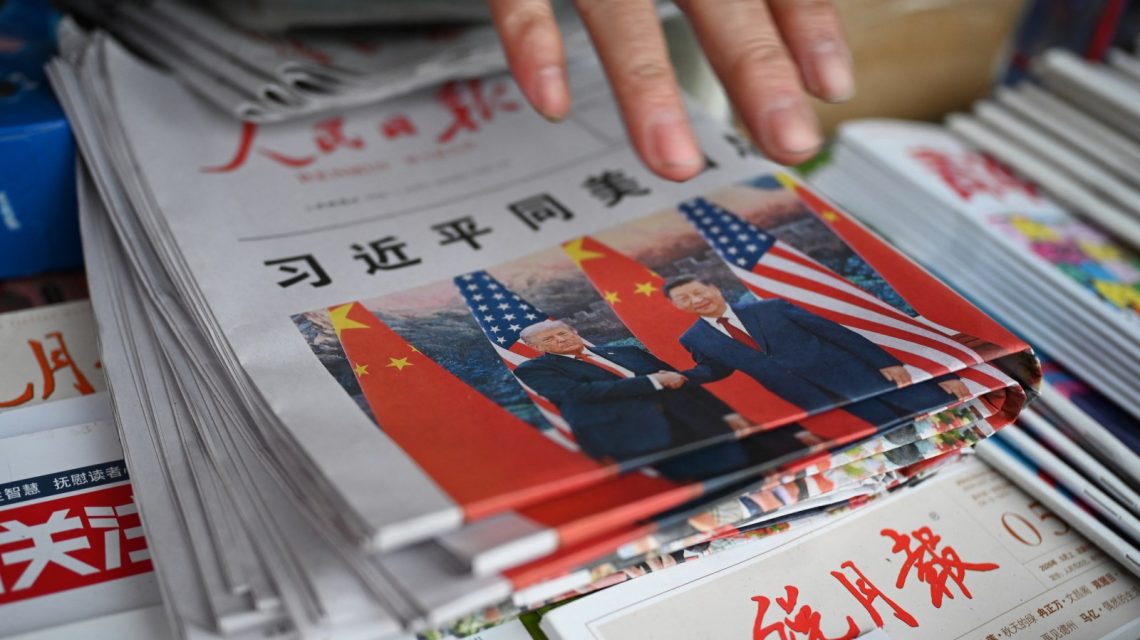
President Donald Trump announced his intention to discuss a stalled arms package with Taiwan’s President Lai Ching-te, shortly after his visit to China. This move could impact the delicate relationship between the U.S. and China, especially given China’s claim over Taiwan. Trump stated, “I speak to everybody,” when asked about the prospect of a call with Taiwan’s leader.
This conversation could play a role in deciding the proposed $14 billion arms sale to Taiwan, which has faced delays at the State Department. Trump reassured reporters, “We have that situation very well in hand,” following a successful meeting with China’s President Xi. He mentioned working on the “Taiwan problem,” highlighting ongoing tensions.
During his time as President, Trump’s communication with Taiwan’s President Tsai Ing-wen broke past precedent, as U.S. presidents have avoided direct contact since 1979. Trump often spoke with global leaders, defying norms.
Taiwan’s Foreign Ministry spokesperson, Hsiao Kuang-wei, confirmed that communication with the U.S. remains open. He emphasized Taiwan’s role in maintaining peace and stability in the Taiwan Strait, a crucial aspect of global security.
Why Taiwan Matters
Taiwan, a leading democracy and a vital trading partner for the U.S., excels in producing advanced computer chips crucial for technology and defense. Beijing’s territorial claim over Taiwan continues to strain its relationship with the U.S., especially as the U.S. remains a primary arms supplier to Taipei.
U.S. Secretary of State Marco Rubio highlighted the unchanged U.S. stance on Taiwan’s self-governance. He acknowledged Chinese demands but reiterated the U.S. position. Diplomatic clashes over Taiwan have persisted over the years.
In 2022, former House Speaker Nancy Pelosi’s visit to Taiwan provoked reactions from both Beijing and Washington, as she emphasized standing against autocratic leaders. Despite this, the Biden administration upheld the “one China” policy.
Details of the Taiwan Arms Package
The proposed $14 billion arms deal with Taiwan has been in discussions since December 2025, responding to growing Chinese military pressure on the island. The package includes HIMARS rocket systems, anti-tank missiles, loitering drones, and military software, according to CNN.
Trump, after returning from China, shared that discussions with China’s leader included the arms deal, emphasizing the need to avoid war. Taiwan, meanwhile, expressed gratitude for Trump’s interest in Indo-Pacific peace and expressed the desire for further discussions.
A Chinese embassy spokesperson reiterated the significance of the “Taiwan question” in U.S.-China relations, urging the U.S. to contribute to peace in the Taiwan Strait and to respect the “one-China” principle.
Trump’s comments suggested a preference for concluding the arms deal promptly, despite potential delays due to planned talks with Xi in the U.S. and the Asia-Pacific Economic Cooperation summit. A White House official noted that any decision on the arms package aligns with longstanding U.S. policy.
 Efforts to End Child Marriage Gain Ground Globally and in the U.S.
  Oregon School District Sued Over Denied Curriculum Reimbursement
  Democrats Anticipate Senate Gains Amid Poll Cautions
  Republicans Face Reelection Challenges Amidst Rising Living Costs
 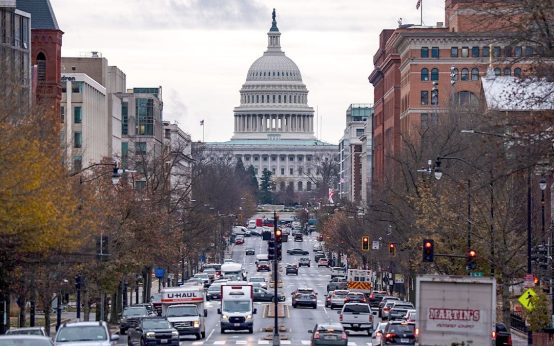 Congress Avoids Autumn Shutdown But Faces Post-Election Spending Battles
 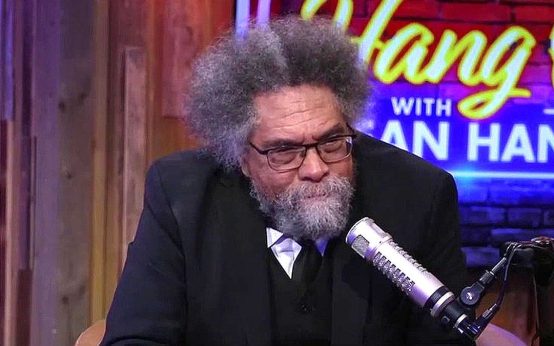 Cornel West and Sean Hannity: Discussing Differences with Respect