
Widespread Severe Weather
The United States is experiencing volatile weather patterns across various regions. On Monday, severe storms impacted the Midwest, snow fell in the Rockies, and the East grappled with record-breaking heat.
On Sunday alone, over 230 incidents of severe weather were reported, with 25 tornado reports spanning Nebraska, Kansas, Iowa, and Minnesota. Nebraska saw tornadoes that caused substantial damage to three homes in Saint Libory, while St. Paul encountered extensive destruction such as torn roofs and debris.
Storms also affected parts of South Dakota and Iowa. Omaha, Nebraska, experienced powerful thunderstorms, which are now progressing towards Kansas City. Currently, 49 million people are at risk for severe storms from north Texas to northern Michigan.
Flood Concerns and Severe Storm Risks
Flood watches are in place for 5 million individuals across eastern Kansas, southeastern Nebraska, and much of Missouri. Rainfall rates could reach 1-2 inches per hour, with isolated higher rates of 5-7 inches per hour. Southern Missouri is facing increased flood risks.
There is a moderate risk alert for regions stretching from Kansas to southeastern Nebraska, indicating possible strong tornadoes. Threats also include hail larger than 3 inches in diameter and wind gusts exceeding 75 mph.
Kansas, including cities such as Wichita and Topeka, faces the greatest risk of tornadoes. Other areas under tornado watches include Kansas City, Omaha, Lincoln, Des Moines, and Oklahoma City.
Gradual Eastward Weather Movement
The cold front is expected to move east on Tuesday, with 48 million individuals still under slight risk for severe weather stretching from southwest Texas to northern New England. Hail in Texas and isolated tornado risks will persist across eastern Great Lakes, interior Northeast, and northern New England.
Colorado’s Weather Challenges
Colorado faces varying weather conditions, with wildfires in some areas and freezing temperatures and hail outside Denver. Winter alerts affect much of Wyoming, parts of northeastern Utah, and the Colorado Rockies.
Record Heat in the Northeast
The Northeast is experiencing unusually high temperatures in the range of 80s and 90s. These conditions are expected from Monday through Wednesday, with temperatures soaring 10-25 degrees above average leading to potential record highs across the Ohio Valley, mid-Atlantic, and Northeast regions.
Cities like Syracuse, Hartford, Pittsburgh, Richmond, Charleston, Nashville, Lansing, Johnson City, and Fayetteville are on watch for record heat. High temperatures in the nation’s capital, Baltimore, and Washington might set new records before thunderstorms arrive mid-week.
New Jersey, Pennsylvania, Washington, and New York could experience mid-90s temperatures this week. New York may endure two consecutive days of 90-degree warmth ahead of the typical annual schedule.
Critical Fire Risks
Red flag warnings threaten 11 million individuals across the southern Plains and California’s Central Valley. The Texas and Oklahoma panhandles and southwest Kansas are at the highest risk, owing to sustained winds of 20-30 mph and low humidity levels between 5% and 15%, which could result in rapidly spreading wildfires.
Expected changes in wind patterns Monday evening may shift the course of active fires, contributing to hazardous conditions.
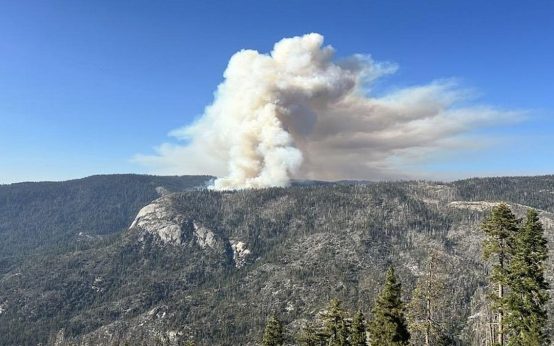 Helicopter Crash Claims Lives of Two Firefighting Pilots in Yosemite
  Cold Weather Alerts and El Niño Influence
  Turning Home Food Waste into Compost: A Guide
  Chicagohenge: When Sunlight Aligns with City Streets
  Fat Bear Week 2026: A Look at the Contest and Its Competitors
  California Governor Declares Statewide Emergency Ahead of El Niño Storms