The outbreak of a rare Ebola strain caused by the Bundibugyo virus has sparked concern among health officials. Identified by the World Health Organization (WHO), this Ebola type spreads through bodily fluids and is highly contagious. The fatality rate ranges from 30% to 50%, with symptoms such as fever, rash, and vomiting.
Unlike the more common Ebola, Bundibugyo lacks an approved vaccine or treatment. The late detection has heightened worries, as cases appeared primarily in Congo’s eastern Ituri province. The virus has been found approximately 600 miles away in Kinshasa, Congo’s capital, and in neighboring Uganda, complicating efforts to gauge its spread.
Given the uncertainty around the outbreak’s scale and spread, Congo has closed its land border with Rwanda. The WHO highlighted difficulties in combating the virus due to regional conflict, particularly involving the rebel group M23, which holds Goma. Goma’s local administration confirmed a case.
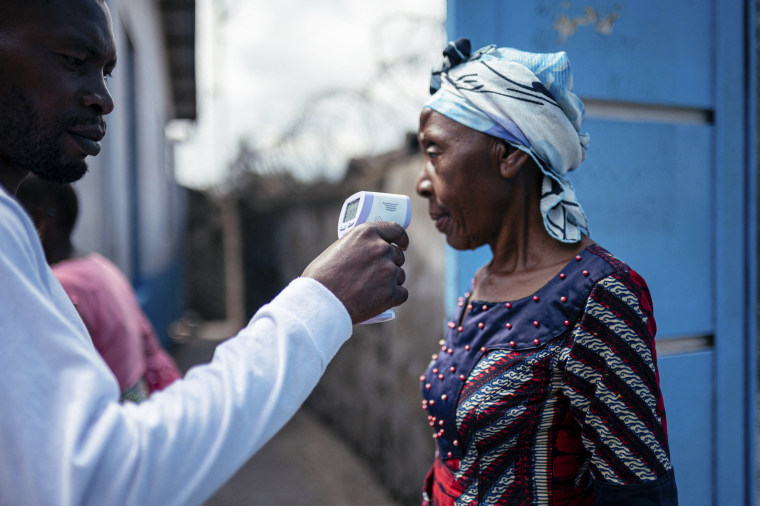
Health personnel in Goma are proactively monitoring visitors’ temperatures at hospitals. Jean Kaseya, head of the Africa Centers for Disease Control and Prevention (CDC), expressed alarm over the lack of medicines and vaccines, noting the rise in deaths.
“There are significant uncertainties to the true number of infected persons and geographic spread associated with this event,” the WHO stated.
To assist, the WHO declared an emergency, aiding governments and agencies in combatting the virus. Its African regional office reported on social media that 35 experts and 7 tons of emergency supplies landed in Bunia, Ituri province’s capital.
The U.S. government is contributing by supporting surveillance, lab diagnostics, infection prevention and control, as well as other containment strategies. Satish Pillai, the CDC’s Ebola response manager, declined to discuss Americans affected but assured ongoing assessments.
The charity Doctors Without Borders (Médecins Sans Frontières) announced plans to escalate their medical intervention, raising concerns over the quick spread and rising death tolls.
“The number of cases and deaths we are seeing in such a short timeframe, combined with the spread across several health zones and now across the border, is extremely concerning,” said Trish Newport, MSF emergency program manager.
Jeremy Konyndyk, former leader of the USAID Covid-19 response, highlighted setbacks in infrastructure. During the massive 2014-2016 Ebola outbreak, USAID, the CDC, and the U.S. military led the global response. Konyndyk noted on social media that the international framework from past outbreaks is weakened, referring to reductions by the Department of Government Efficiency.
The State Department is collaborating with Congo and Uganda focusing on rapid containment and mobilization of resources, although it has not commented on domestic concerns. They stated commitment to aiding key partners combat the virus’s spread effectively.
 Potential Impact of Changes to the National Vaccine Injury Compensation Program
  Living with Sickle Cell: The Glover Family’s Journey
  Living with Alzheimer’s: A Young Man’s Journey
  Understanding the Q-Collar: What Athletes Need to Know
  Medicaid Fraud Impacts Autism Services and Military Health Care Program
  Understanding Everyday Memory Lapses and Cognitive Health