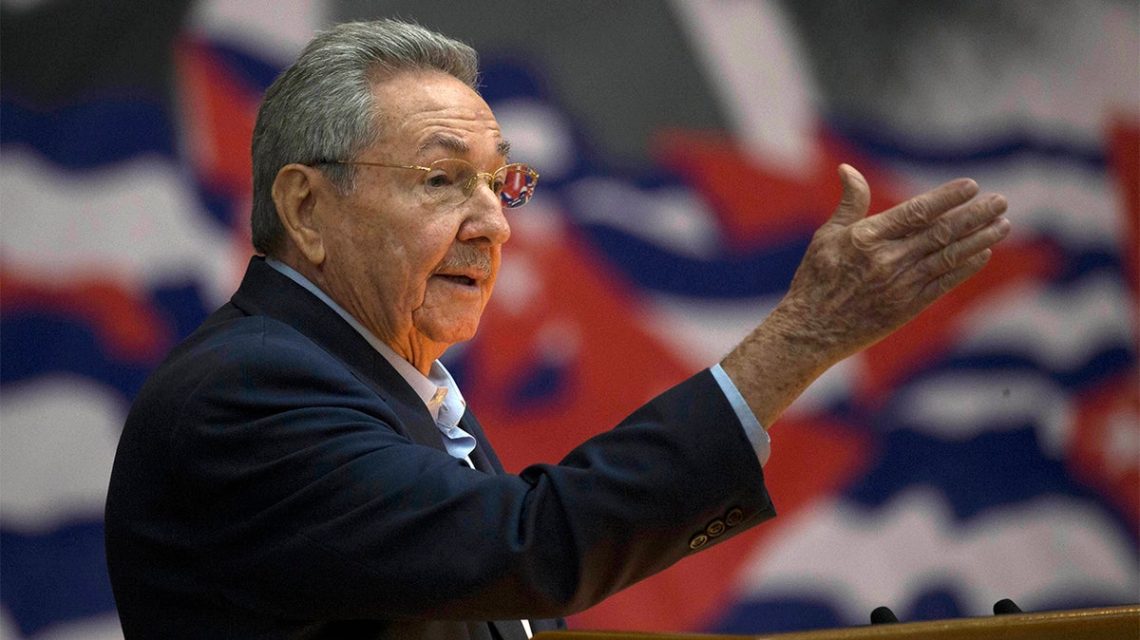
The Trump administration’s decision to indict former Cuban leader Raúl Castro has spurred comparisons to President Donald Trump’s earlier pressure campaign against Venezuelan leader Nicolás Maduro. As the White House increases economic pressure and military visibility in the Caribbean, Cuba is becoming a focal point of U.S. foreign policy.
Details of the Indictment
The indictment stems from Cuba’s 1996 shootdown of two civilian aircraft, which killed three U.S. citizens. U.S. prosecutors charged Castro and several Cuban officials, alleging they authorized this operation after the planes entered Cuban airspace. The airplanes were linked to the Miami-based Brothers to the Rescue organization, opposed to Cuba’s communist government.
Cuban fighter jets shot down these aircraft over international waters, leading to international disapproval and creating a severe crisis in U.S.-Cuba relations. This indictment now positions Castro similarly to Nicolás Maduro, who faced criminal charges before the U.S. imposed broader regime pressure, including sanctions and military actions in the Caribbean.
Comparisons to Venezuela
During Trump’s campaign against Maduro, the U.S. indicted the Venezuelan leader on narcoterrorism charges and imposed sanctions on the oil sector. The U.S. also backed opposition efforts and increased its military activity in the region, which ultimately resulted in Maduro’s loss of power.
While some experts caution that the U.S. might not engage in similar operations against Castro or Cuba, they agree that the indictment signals strong opposition to the Castro regime. Secretary of State Marco Rubio reinforced this stance by addressing the Cuban people directly, criticizing the regime for the country’s economic woes while showcasing the successes of Cubans abroad.
Internal Pressure and Consequences
Analysts suggest the Trump administration might see internal pressure as an effective strategy to weaken the regime, rather than direct military escalation. However, destabilizing Cuba could lead to a significant migration crisis, impacting the U.S., especially Florida.
Despite tough rhetoric, there remain some channels of communication between the U.S. and Cuba. CIA Director John Ratcliffe visited Cuba to discuss intelligence matters, delivering a warning against hosting adversaries while also offering potential economic engagement contingent on Cuba making substantial changes.
Cuba’s Military and Economic Challenges
Cuba’s military capacity is much weaker than during the Cold War. Economic collapse, fuel shortages, and outdated equipment have degraded the country’s military capabilities, making it challenging to exert pressure without further destabilizing the nation.
The GAESA conglomerate, linked to the Cuban military, controls significant segments of the economy, complicating attempts to isolate the leadership. Moreover, national security concerns include accusations of hosting Chinese and Russian intelligence infrastructure.
While military plans toward Cuba remain undeveloped, the U.S. is aligning strategies seen in Venezuela, including criminal charges, economic pressure, and visible military assets, to potentially adapt a similar approach against Cuba, located just 90 miles from U.S. shores.
 Experts Doubt Export Ban Will Lower Fuel Prices
  A Shifting Political Landscape: The Decline of Autocratic Power
  Trump Delivers Warning to Iran, Cuba at UN General Assembly
  Trump Delivers Stern UN Speech on Iran, AI, and Global Security
  Lukashenko and Putin’s Unique Relationship and Belarus’ Strategic Role
  Harris Discusses Potential 2028 Presidential Run