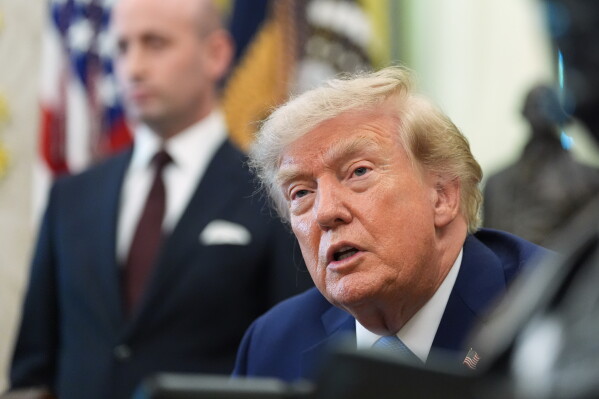
The Trump administration is pushing to restrict who acquires American citizenship. Two new executive orders this week target birthright citizenship and foreign nationals giving birth in the U.S. Although a Supreme Court ruling in June invalidated a similar attempt, new orders modify previous plans. President Trump stated the adjustments take the Court’s decision into account, but legal challenges remain likely.
14th Amendment Guidelines
The 14th Amendment automatically grants citizenship to anyone born in the U.S., subject to guidelines set by two Supreme Court decisions. These decisions already exclude specific births from citizenship benefits. This new move underscores the administration’s commitment to controlling American citizenship access.
Categories of Citizenship Restriction
Current laws confer birthright citizenship to anyone born on U.S. soil, except in certain cases. The executive order issued Thursday narrows this further, focusing on specific categories such as children of foreign embassy personnel or those deemed “alien enemies.” U.S. law notes that children born to “foreign diplomatic officers” are not entitled to birthright citizenship. This includes ambassadors, ministers, and embassies’ counselors.
Trump’s new orders broaden these exceptions; one targets “birth tourism,” disqualifying related citizenship claims, while the other affects children of foreign diplomats or employees of international organizations, including those tied to designated terrorist groups. Professor César Cuauhtémoc García Hernández of Ohio State University questions the enforcement mechanisms, noting issues like the lack of accessible membership lists from such organizations.
Surrogate Births and Legal Implications
Republicans in Congress have proposed legislation impacting citizenship for children born to surrogates in the U.S. Professor García Hernández suggests the executive order on surrogacy introduces legal ambiguities, as the 14th Amendment and related Supreme Court decisions do not mention surrogacy.
Focus on Birth Tourism
Trump’s executive order defines birth tourism as entering the U.S. to give birth on a nonimmigrant visa. Currently, this act can lead to visa denial. Critics argue the order provides immigration officers excessive discretion without clear instructions. Although Trump referenced “hundreds of thousands” of cases, experts like Colleen Putzel-Kavanaugh from the Migration Policy Institute view this as an exaggeration. CDC data from 2024 shows approximately 9,600 births to foreign mothers with non-U.S. addresses.
Birth Tourism Operators
The order targets “birth tourism operators” but lacks evidence on their prevalence. Previous administrations have prosecuted these schemes, suspecting deceptive practices to help women give birth in the U.S. Operators allegedly promise U.S. citizenship and benefits, but they often fail to deliver. Republicans recently initiated investigations into suspect schemes.
Legal Challenges Anticipated
When asked about the Supreme Court’s potential reaction to these orders, Trump deferred to Will Scharf, White House staff secretary. Scharf maintains that the orders adhere to legal means and focus on birth tourism. Despite this, critics such as Cody Wofsy from the ACLU argue that the 14th Amendment protects birthright citizenship, irrespective of executive orders.
 Virginia’s Disenfranchisement Practices Under Scrutiny
  Alani Bankhead Faces Allegations and Campaign Challenges in Montana
  States Take Action Against Cash Welfare Abuse
 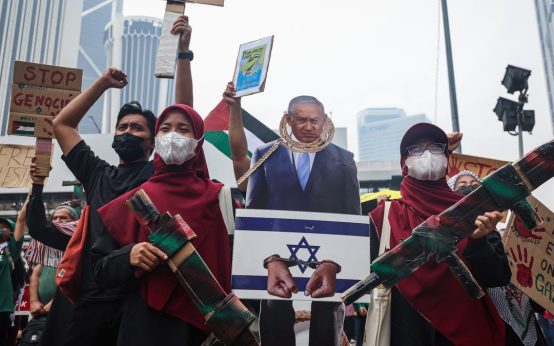 Global Coordination Behind Anti-Israel Protests
  Violence in Twin Cities Spurs Criticism from GOP Candidate
  Jack Smith’s Political Involvement and Controversial Actions