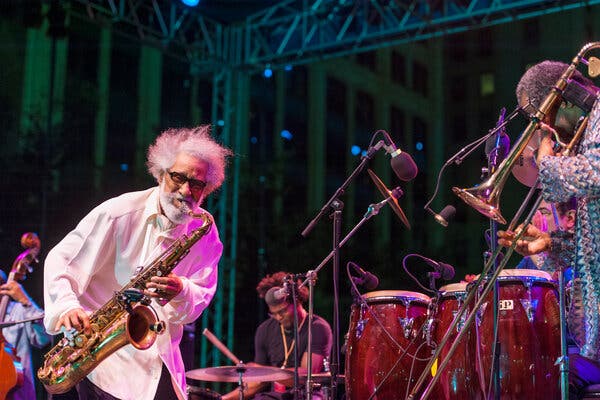
Walter Theodore Rollins, known as Sonny Rollins, is often celebrated as the ‘saxophone colossus’ of jazz. Throughout his career, he has been likened to Prometheus and Siddhartha, a true heavyweight in the genre. Famed critic Nate Chinen called him the ‘great unflagging sovereign of the tenor saxophone’ in a review of one of Rollins’s lengthy, energetic performances.
Growing up in 1940s Harlem, Rollins was influenced by swing legends like Coleman Hawkins and jump-blues artists such as Louis Jordan. However, his musical perspective shifted dramatically after encountering Charlie Parker. Parker’s bebop style, with its intense improvisations, was sweeping through Harlem’s music scene. Rollins, quoted in Aidan Levy’s biography Saxophone Colossus: The Life and Music of Sonny Rollins, admired Parker’s groundbreaking approach, describing it as ‘highly intricate, involved, complicated, intellectual.’

Bebop’s combination of physical endurance and intellectual challenge became central to Rollins’s work. He composed pieces such as ‘St. Thomas,’ ‘Oleo,’ and ‘Airegin,’ which have become jazz standards. Rollins continually reinvented these works, exploring the boundaries of their forms and finding new expressions.
Over a career spanning seven decades and more than 60 albums, Rollins sought to keep playing and evolving his sound. Although health issues have prevented him from performing publicly since 2012, he continues to be a dedicated listener, often discussing his favorite modern saxophonists in interviews.
This exploration of Rollins’s catalog offers insights from musicians, scholars, and critics. Delve into the curated playlists and share your own favorites in the comments.
 Ed Sheeran’s Philadelphia Concert Amid Controversy
 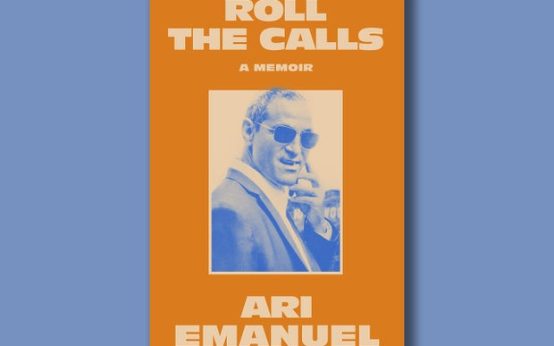 Memoir Details Ari Emanuel’s Journey in Hollywood
 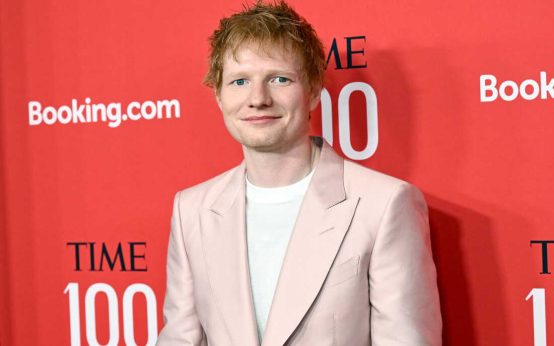 Ed Sheeran Addresses Gaza Controversy During Concert
 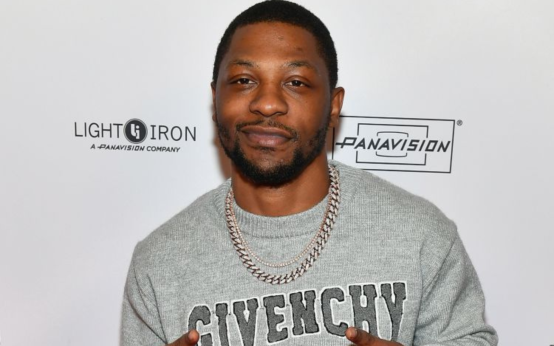 Child Stars Facing Legal Challenges: An In-Depth Look
  Weekend Events in Chicago
  Ms. Rachel’s Rise in Children’s Entertainment