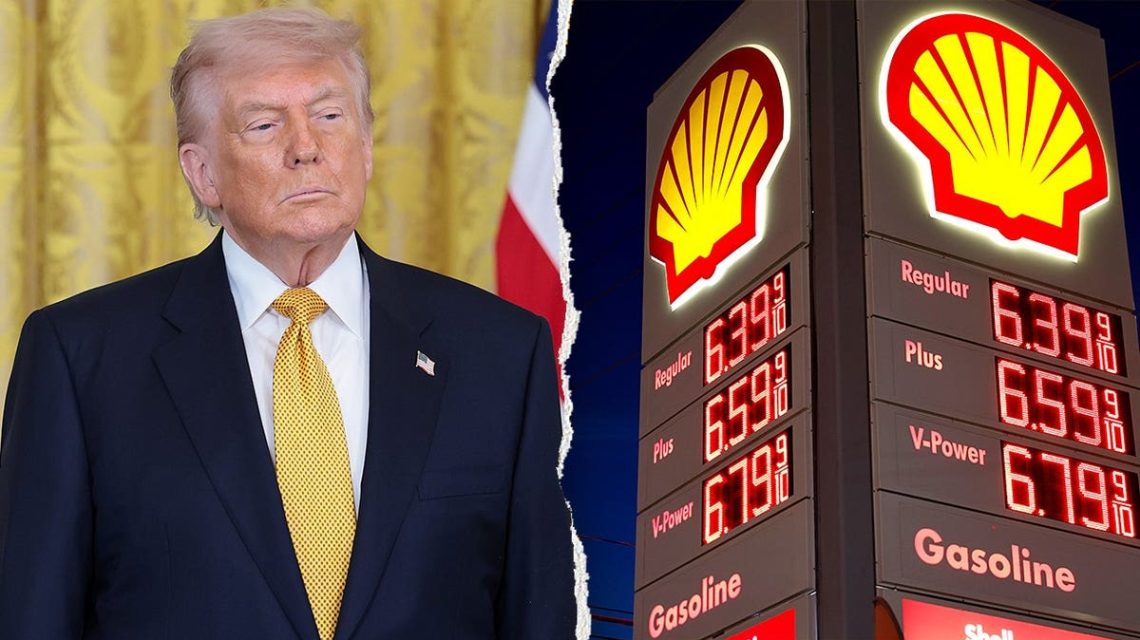
Listening to Fox News articles is now possible. Nearly four years after the implementation of President Biden’s green agenda, which pushed gasoline prices above $5, political tensions continue to rise. Critics have emerged, such as former Transportation Secretary Pete Buttigieg and former Vice President Kamala Harris, who argue that the Trump administration’s policies are causing significant economic hardships. They attribute the high costs to former President Trump’s actions in Iran.
Record-Breaking Gas Prices and Political Rhetoric
The rising costs of gasoline coincide with a record-breaking summer driving season and an impending midterm election. Critics of the Trump administration often highlight these issues, expressing concerns over the economic impact. However, the perspective of economist Thomas Sowell, who noted there are no solutions, only trade-offs, seems neglected in the ongoing debate.
Lawmakers are currently discussing President Trump’s proposal to suspend the federal gas tax, as fuel prices continue to climb amidst tensions with Iran.
The Climate Change Trade-Off
During President Biden’s term, climate change was perceived as a significant issue. To combat climate change, high energy prices were considered a necessary trade-off. President Biden labeled climate change as an existential threat. In 2019, New York Democratic Representative Alexandria Ocasio-Cortez warned that climate change needed urgent attention.
Critics argue that mandates like California’s electric vehicle policies and the federal government’s pauses on new oil and gas leases contributed to the economic burden, even as public opinion shifted toward more conservative energy policies.
The Impact of the Iran Conflict
In 2024, many voters supported a candidate advocating for increased energy production. President Trump took office and declared a national energy emergency, aiming to reverse Biden-era policies. Gasoline prices reached a low in October prior to renewed tensions with Iran.
The Iran conflict affected global oil supply, particularly the Strait of Hormuz, prompting a spike in gas prices. Although President Trump acknowledged the economic hardships, he maintained that eliminating a dangerous regime in Iran was crucial.
Debate Over Energy and Climate Policies
The debate over energy policies is intensified by differences in opinion on climate change. Critics argue that the perceived climate crisis led to impractical energy shifts, causing instability in energy markets during global conflicts. For example, young people surveyed expressed concerns about starting families due to climate fears.
American natural resources have helped mitigate the economic impact compared to other nations, where gas prices soared. However, the economic challenges remain significant for American families.
As American voters prepare for upcoming elections, they face decisions about the balance between energy policies and national security. The green agenda and its effects on energy costs remain key considerations in future political leadership decisions.
Daniel Turner, founder and executive director of Power The Future, emphasizes the importance of American energy jobs and offers further insights into these topics.
 House Republicans Release Transcripts in Jack Smith Investigation
 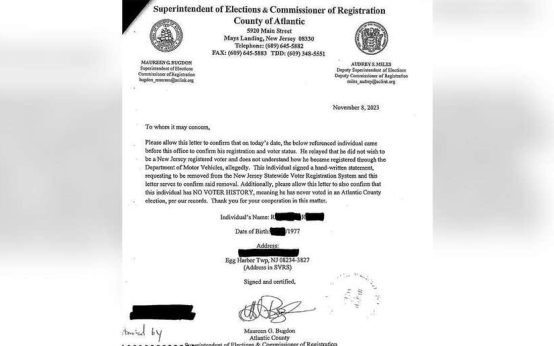 RNC Files Lawsuit for Transparency in New Jersey’s Voter Roll Maintenance
  Italian PM Giorgia Meloni Skips UN General Assembly Amid Growing Tensions
  Calls Grow for Ireland’s Soccer Team to Boycott Matches Against Israel
 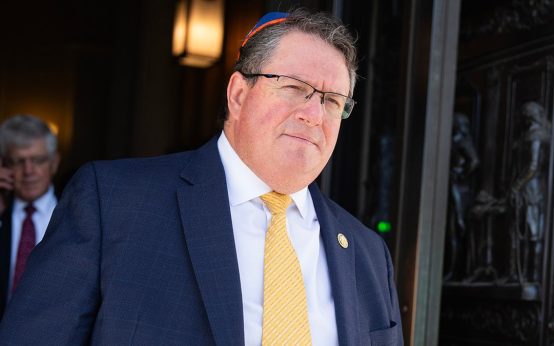 Congressman Randy Fine’s Bold Political Stance and Views on AI Regulation
 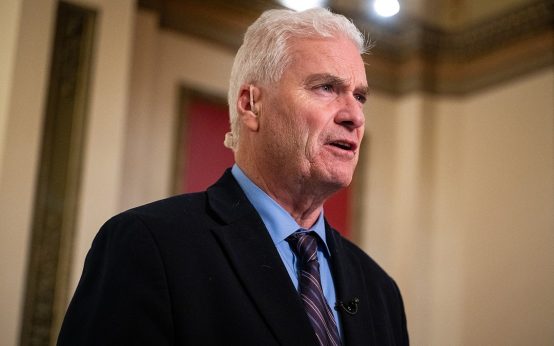 Political Messaging and Strategy Leading Up to Midterms