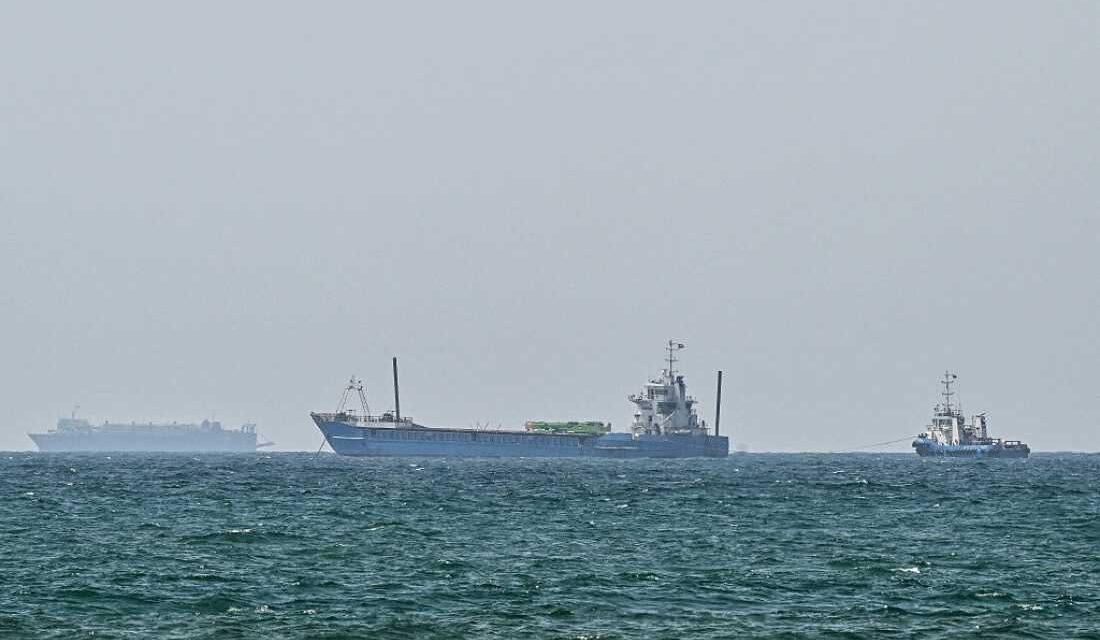
Vessels are anchored off the coast of Sharjah in the United Arab Emirates on May 21, 2026. Courtesy of AFP via Getty Images.
President Trump, along with other administration officials, is moderating expectations regarding an imminent agreement to end the war in Iran. Discussions signal ongoing disagreements over key issues. On Saturday, Trump mentioned that the U.S. and Iran had made significant progress on a memorandum of understanding to reopen the Strait of Hormuz. However, in social media updates on Sunday, he clarified that the U.S. would not rush into any agreement. “If I make a deal with Iran, it will be a good and proper one,” Trump stated. He also advised against listening to critics who he claims are uninformed.
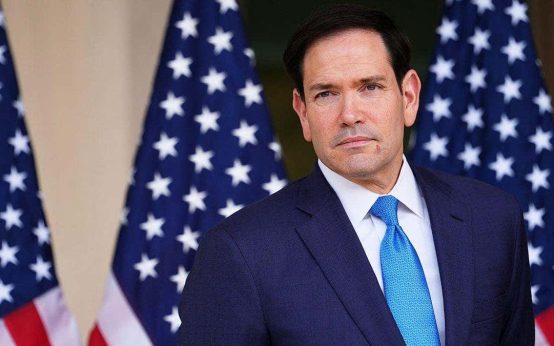
Speaking in New Delhi, U.S. Secretary of State Marco Rubio stated on Monday that the United States intends to “give diplomacy every chance to succeed before we explore the alternatives.” Iran has yet to officially comment on the proposed agreement. However, semi-official news agencies in Iran, often conveying leadership sentiments, report that disputes on a few issues may jeopardize the potential deal. The Tasnim news agency, associated with Iran’s Revolutionary Guard Corps, accused the U.S. of “obstructionism” related to the release of frozen Iranian funds, a component of lifting transit restrictions through the Strait of Hormuz. This agency stated that the negotiated agreement demands Iran restore ship transits through the crucial waterway to pre-war levels within 30 days, corresponding with the U.S. lifting its blockade entirely.
The ISNA, another state-backed agency, noted Iran’s insistence on managing the strait in partnership with Oman. The countries share the narrow waterway governed by U.N. seas laws. The conflict intensified when the U.S. and Israel attacked Iran on February 28, causing a regional war that expanded to U.S. Gulf allies, including Saudi Arabia and the UAE. Iran responded by targeting U.S. military bases and energy structures in these areas. A ceasefire was agreed upon in April. Several thousand Iranians reportedly perished in the strikes from the U.S. and Israel.
While Trump’s previous focus was on regime change in Iran and the threat of nuclear weapon development, the current talks primarily concern reopening the Strait of Hormuz. World oil prices have surged as Iran restricted access to this vital route, affecting global shipping of various items like fertilizers and consumer plastic goods.
Rubio, during an official visit to India, talked about the “pretty solid” proposal with Iran concerning reopening the strait. The U.S. plans “a very real, significant, time-limited negotiation on the nuclear matter.” He expressed hope for success. State-backed Iranian news agency ISNA cited a senior diplomat noting Iran’s non-commitment to any initial agreement on nuclear matters, including uranium enrichment. The U.S. has pushed Iran to transfer highly enriched uranium abroad for safekeeping, met with Iran’s opposition on sovereignty grounds.
Hossein Nooshabadi, a senior figure in Iran’s foreign ministry, mentioned demands including ending the conflict on all fronts—Lebanon included—alongside unfreezing Iranian assets, removing the naval blockade, and reinstating Iranian oil sales. Esmaeil Baghaei, a foreign ministry spokesman, proposed that nuclear issue discussions follow a deal over a 60-day period, contingent on sanctions being lifted.
Trump affirmed the U.S. would continue blockading the Strait of Hormuz until an agreement with Iran was fully “reached, certified, and signed.” Iranian Parliament’s spokesman, Ebrahim Rezaei, contested threats and emphasized sincere negotiations for any progress. Israel’s influence on Trump’s Iran decisions remains strong, opposing a deal involving cessation of the war with Lebanon. Despite a U.S. mediated ceasefire extension, Israel maintains a military presence in southern Lebanon, continuing airstrikes.
Lebanon’s health ministry reported more than 3,200 casualties, including women, children, medical staff, and responders due to Israeli attacks. Israel recorded 22 soldiers, a contractor, and two civilians killed in Hezbollah-backed assaults.
 Emergency Landing of Flydubai Plane Highlights Cockpit Security
  Passengers Prevent Mid-Air Crisis Amid Pilot Stabbing Incident
 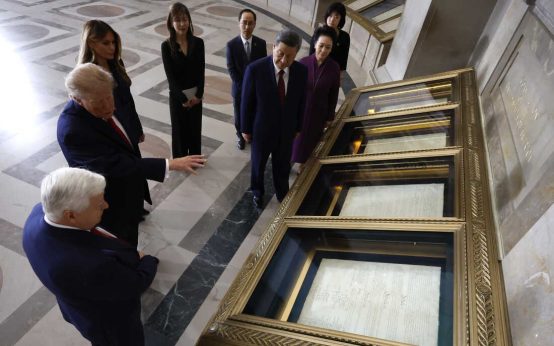 Sensitive Discussions During Trump’s National Archives Visit with Xi Jinping
 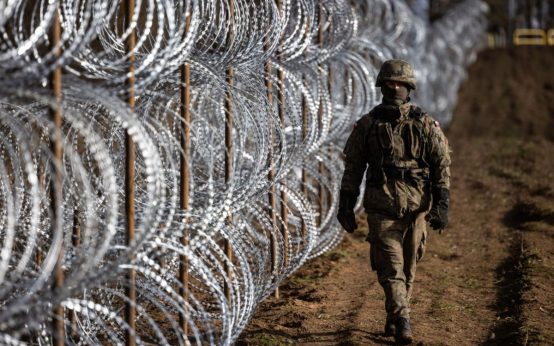 Escalating Tensions Between Russia and the UK
  Key Events in Politics and Technology: U.S. and U.K. Developments
  Secretary of State Rubio Comments on Recent UK Terror Threat