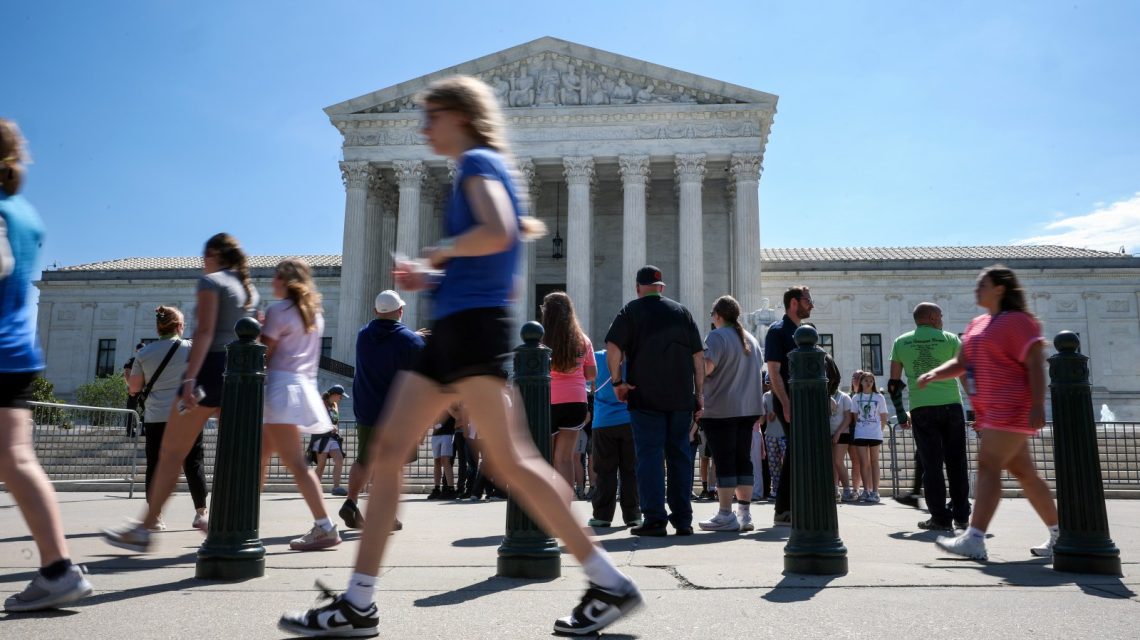
Justice Clarence Thomas declined Alabama’s request to immediately stay the block on the state’s congressional map redrawing. The refusal from Thomas, who questions certain aspects of the Voting Rights Act, delays Alabama’s effort to have its case heard by the U.S. Supreme Court.
Republican officials in Alabama sought swift relief, but Thomas asked the challengers to explain their opposition to using the map. This redistricting battle in Alabama fits into a larger GOP effort to revise maps before the 2026 midterms, a crucial step for maintaining House control.
Alabama Redistricting: Key Details
A federal panel recently issued a preliminary injunction against using the map drawn in 2023. Alabama responded by appealing this decision to the Supreme Court, which has ruled on similar state cases.
Attorney General Steve Marshall expressed disagreement with the court’s decision. He stated the divide lies with the court panel, not voters, emphasizing that conservative representation reflects democracy.
The District Court handled dual cases, demanding the use of previous districts following claims of racial discrimination. Judges refused to accept a district plan seen as discriminatory.
This prolonged case has moved through the legislature and courts since 2021. It led to a key 2023 Supreme Court ruling affirming a ban on the new map under the Voting Rights Act, opposing Thomas’ views.
The ongoing dispute links to a previous Louisiana case that adjusted Section 2’s interpretation, prompting a return to District Court recently.
Redistricting Debate and Thomas’ Views
The Supreme Court appeal by Alabama is also supported by views from Trump’s administration’s former Solicitor General, D. John Sauer. He criticized the district court’s decision-making as election plans were set using the contested map.
Justice Thomas has long been skeptical about the role of the Voting Rights Act in map drawing, advocating for a colorblind approach to the Equal Protection Clause.
Since the 1990s, Thomas argued that Section 2 focuses on access to voting processes, not map drawing. His opinions have consistently questioned interpretations that lead to race-based districting.
In recent cases, he highlighted his view against Section 2 mandates creating districts based on racial demographics. He deems this strategy contrary to the Constitution’s principle of race neutrality.
Thomas perceives the act’s application as promoting racial quotas in political representation, which he deems both legally and constitutionally questionable.
Next Steps
Those challenging Alabama’s map must submit their arguments by June 1. The Supreme Court will then decide on hearing the state’s appeal.
 Flight 93 Hero’s Father Criticizes Ties Between Hasan Piker and Abdul El-Sayed
 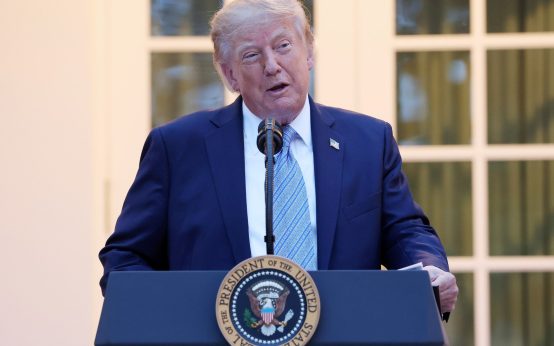 House Races Shift Amid Democratic Momentum
 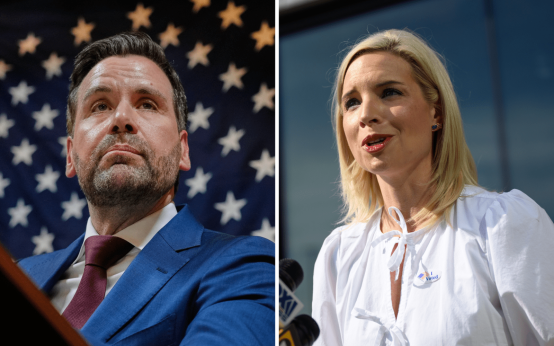 Iowa Senate Race: Marist Poll Shows Democrat Josh Turek Leading Republican Ashley Hinson
 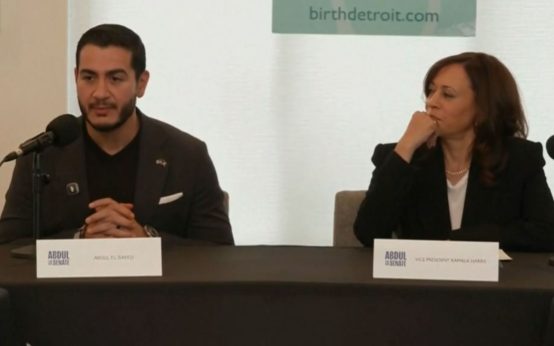 Kamala Harris and Abdul El-Sayed Campaign Together in Detroit
  Challenges Facing the Supreme Court’s Public Perception
  California Democratic Aide Arrested for Visa Overstay by Federal Authorities