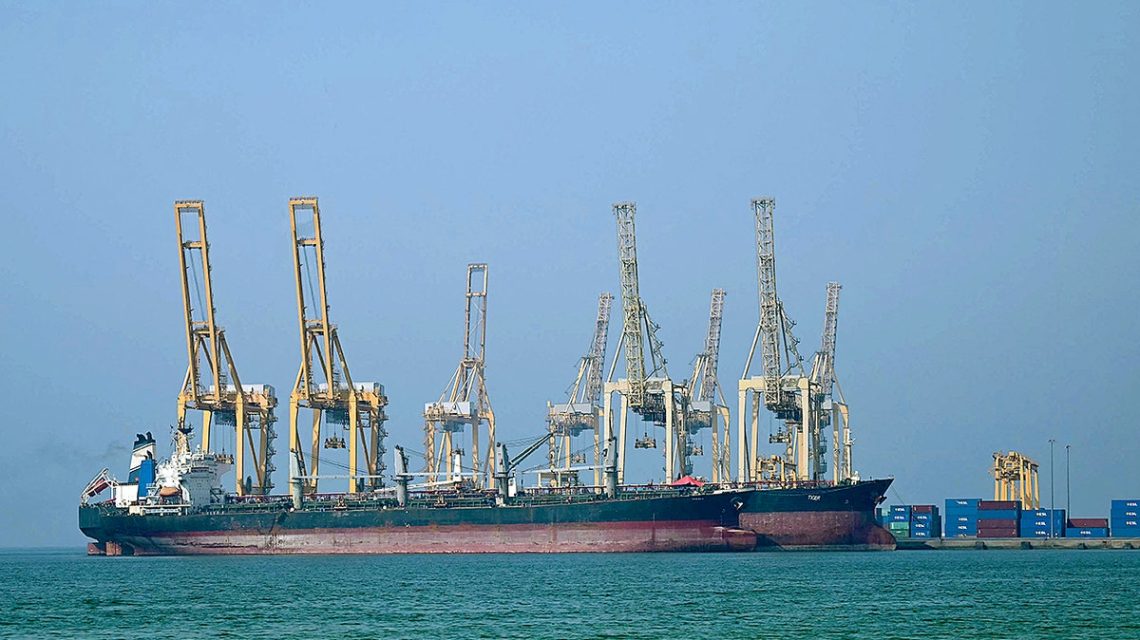
President Donald Trump is engaged in negotiations over the Strait of Hormuz, aiming to shape energy dynamics in the Middle East. Yet, the most significant shifts are unfolding in Europe, not in Tehran or Tel Aviv. The energy landscape of Europe, post-Russia, is growing markedly American.
In February 2022, Russia’s invasion of Ukraine triggered Europe’s significant energy crisis. Approximately 40-45% of Europe’s gas imports were from Russia, a country now at war. Europe’s response was clear: eliminate reliance on any one supplier. No more pipeline dependence. The continent aimed to diversify and secure its energy sources.
Iran seized two foreign oil tankers in the Persian Gulf allegedly carrying 1 million liters of smuggled fuel.
Europe successfully reduced its reliance on Russian gas. Russian pipeline gas imports dropped from 137 billion cubic meters in 2021 to merely 18 billion cubic meters by 2025. This marked an 87% decrease. Russia’s share of EU gas imports declined from 45% to 12%. In December 2025, the European Parliament voted decisively to permanently ban Russian LNG by the end of 2026 and all Russian pipeline gas by late 2027, imposing significant penalties for any violations.
The plan to replace Russian energy sources involved multiple channels — pipelines from Norway, gas from Algeria and Azerbaijan, and LNG from Qatar and the Gulf. Renewables aimed to cut demand, and American LNG emerged as a vital element. No single nation would ever hold sway over Europe like Russia once did.
German Chancellor Friedrich Merz embraced this mission. In February 2026, he traveled to Saudi Arabia, Qatar, and the UAE with a business delegation to diversify Germany’s energy supply chains. Agreements were reached with Mohammed bin Salman, and a commitment to liberalize arms export rules further sealed energy alliances. Europe seemed to be crafting a diverse energy future.
However, U.S.-Israeli military actions on Iran in early 2026 escalated into broader conflict. Iran retaliated, closing the Strait of Hormuz, a vital channel for 20% of the world’s oil and LNG flow. Insurance costs soared, rendering Gulf routes unprofitable. European gas prices skyrocketed by 25% in one day, while oil prices surged, hitting $126 per barrel by April’s end.
Amidst these tensions, Merz’s negotiation for Qatari LNG faced a significant hurdle. Though Qatar was ready to sell gas, the geopolitical situation obstructed its transport. The closed Strait of Hormuz prevented shipments, despite Qatar’s willingness to supply Europe.
Trump’s strategy, encompassing military strikes and negotiations, reflects a broader aim. The disrupted Strait of Hormuz functioned as leverage, not a mere passageway. Every day it remained closed increased dependence on American LNG as European alternatives diminished.
Before the Ukraine conflict, the U.S. accounted for 24% of EU LNG imports. By late 2025, this figure had surged to 56%. By early 2026, it reached 63%, and the IEEFA now forecasts EU imports of U.S. LNG to hit 115 billion cubic meters annually by 2030. This reflects 80% of all EU LNG imports and 40% of all EU gas, solidifying American energy’s role in Europe.
Germany, once reliant on Russian pipeline gas, now largely depends on American LNG. The effects of Trump’s policies have established a lasting energy realignment.
As tensions ease, structural changes persist. Contracts signed amid wartime will govern the future. Russian bans are codified laws. Europe’s energy infrastructure now heavily relies on American sources without clear alternatives.
Trump’s negotiations with Iran have not only ended a conflict. They have also finalized a decade-long shift in European energy, making the United States a critical supplier. Europe has embraced a new energy landscape, grounded in American relations.
This analysis originates from Tanvi Ratna’s series exploring President Trump’s strategic impacts amid the Iran conflict. Ratna, with expertise in geopolitics and technology, has experience shaping policy on various fronts.
 British Police Arrest Dual Citizen Over Suspected Terrorist Plot
  Efforts to End Child Marriage Gain Ground Globally and in the U.S.
  Lisdoonvarna’s Matchmaking Festival: Tradition Meets Modern Romance
  Wisconsin Mosque Leader Faces Deportation on Security Grounds
  Bolivia Faces Security Challenge Amid Shield of the Americas Initiative
  Escalating Conflict: Russian Drones Target Kyiv Amid Winter Strategy