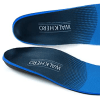
If your job requires standing all day or if you enjoy running long distances, adding insoles to your shoes can enhance comfort and support. Insoles provide extra cushioning and improve the fit of your footwear. However, choosing the wrong insoles can lead to discomfort and pain. Here’s how to select the right insoles with recommendations based on podiatrists’ advice.
Top Picks for Insoles
- Best Overall: $19.99
- Best Budget: $14.97
- Best for Men: $29.99
- Best for Women: $69.95
The selected over-the-counter insoles consider key features recommended by experts. They have a neutral arch suitable for most foot types and come in a range of sizes that can be trimmed for a perfect fit. Features include gel pads for shock absorption and high-density foam in the heel for arch pressure relief. Sizes for women range from 6-14.5 and for men, 4-16.5. They’re particularly helpful for plantar fasciitis with features like a deep heel cup and rigid support.
Features to Consider
Insoles come with various features designed for comfort and support. Here are essential elements to look for:
- Heel Cup: A sculpted heel cup provides cradled support without irritation, says Dr. Bruce Pinker, a board-certified podiatrist.
- Cushioning: Adequate cushioning with foam or gel adds softness as you step.
- Rigidity: Semi-rigid insoles offer support. Flexible insoles may not provide proper stability, notes Dr. Mohammad Rimawi, another board-certified podiatrist.
Benefits of Insoles
Insoles support the feet, beneficial for flat feet or high arches. Rimawi explains that insoles redistribute weight to prevent pain. Even without arch issues, insoles add comfort. Pinker adds they enhance biomechanics and alleviate pressure, reducing foot pain. Conditions like plantar fasciitis also benefit from insoles’ cushioning.
Who Needs Insoles?
Rimawi asserts that anyone can gain from insoles, yet those with flat feet significantly benefit as insole support prevents pain. Insoles help redistribute weight, relieving pressure on painful areas, Pinker advises. Over-the-counter versions suit sneakers best, while custom insoles can fit dress shoes, boots, and sneakers.
Types of Insoles
Various insoles exist, primarily of plastic or foam. Over-the-counter insoles offer generic support, while custom insoles provide personalized comfort. Rimawi warns that generic insoles might not suit everyone perfectly, potentially causing discomfort. Custom insoles or orthotics, crafted by podiatrists, address specific needs.
“Insoles provide cushioning and shock absorption, possibly reducing heel or arch pain,” Pinker concludes.
Expert Contributors
Our experts include Dr. Mohammad Rimawi and Dr. Bruce Pinker, both board-certified podiatrists. This article draws on their professional insights to offer reliable guidance.
Stay informed with NBC Select’s comprehensive tech and wellness coverage.
 The Role of Advocates in Patient Care
  Save Big on Halloween Candy for Trick-or-Treaters
  Rising Antibiotic Resistance in Shigella Infections
  A Look Into Sports, Pop Culture, and Reader Interactions
  Maxwell House K-Cup Deal Brings Cost Savings and Flavor
  Taamiya: Egypt’s Breakfast Delight