
Gender relations have become increasingly tense in recent times, with notable political and cultural divides between straight men and women. The existence of figures like Andrew Tate and platforms such as OnlyFans highlight the polarization, along with concepts like traditional wives and incels. Data shows that over half of single men and women feel pessimistic about finding a partner compatible with long-term happiness.
Men are sometimes perceived by women as clueless or emotionally immature, with some being labeled as toxic. Conversely, men often view women as being overwhelmed by romantic options, too self-absorbed to engage seriously. This mutual skepticism contributes to a decrease in sexual intimacy.
The prevailing narrative suggests an irreversible split between men and women. This isn’t the usual notion that men and women are from different worlds or the clichéd “can’t live with them, can’t live without them.” It suggests that life desires are no longer aligned. This perspective is known as heteropessimism, a term introduced by academic Asa Seresin in 2019. The idea portrays heterosexuality as fundamentally flawed and incompatible with current life goals.
Despite such narratives, there are powerful reasons to maintain optimism about heterosexual relationships. Never before have straight Americans experienced such freedom in their romantic, sexual, and social lives. This period allows individuals to date freely and carve their paths without constraints from past societal norms.
Heteropessimism, at its core, is a pessimistic view on heterosexuality. It implies that relationships, which humans have maintained for centuries, are irreparably broken. Yet, many claim that heteropessimism is more about venting frustrations on social media than a genuine belief that heterosexual relationships can’t work.
Mr. Seresin has observed a trend where the focus often blames men for the problems within heterosexual relationships. While sometimes people attribute dissatisfaction to broader political contexts, such as women becoming more liberal and men more conservative, this shouldn’t overshadow the potential for successful relationships.
Recent essays have extensively discussed the “trouble with wanting men,” echoing sentiments of men withdrawing from intimacy. Writers like Rachel Drucker express a desire for men to return to emotional involvement. However, if women label relationships with men as “trouble,” it discourages men from engaging seriously. Chanté Joseph’s article discussing the social embarrassment of having a boyfriend exemplifies this issue.
The challenge lies in reconciling these perceptions and embracing the freedom that current times offer for personal and relational growth.
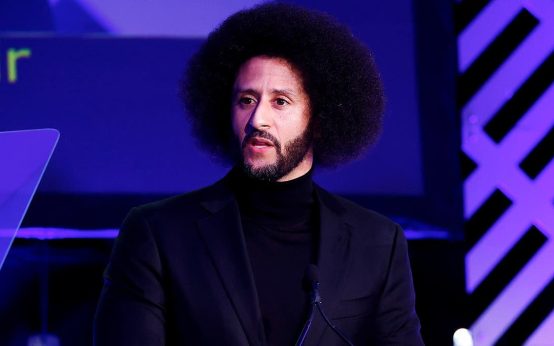 Criticism of Kaepernick’s NFL Draft Comparison
  Handling Rumors About Neighbors When Selling a Property
 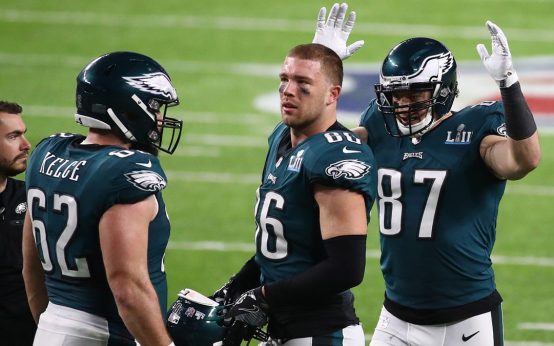 Lane Kiffin Faces Criticism After Ole Miss Loss; Zach Ertz Returns to Eagles
 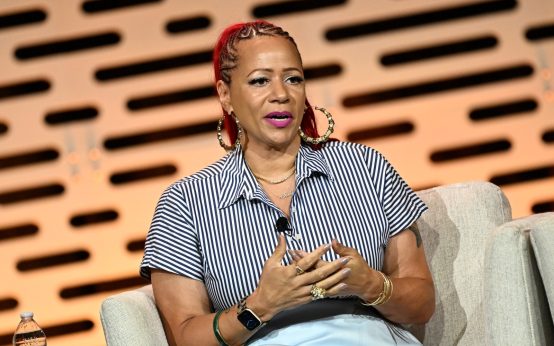 Nikole Hannah-Jones’ Reflection on School Integration and the Impact on Her Daughter
 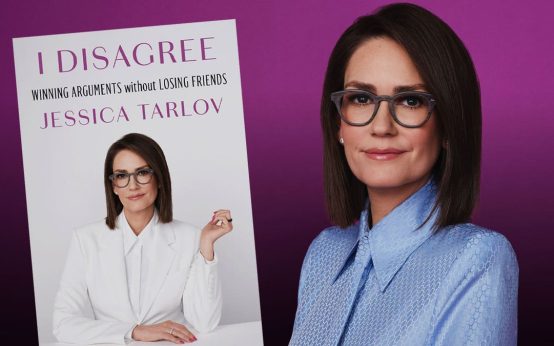 Engaging in Political Conversations with Open Minds
  Understanding Tax Debates: ‘Fair Share’ in America’s Tax System