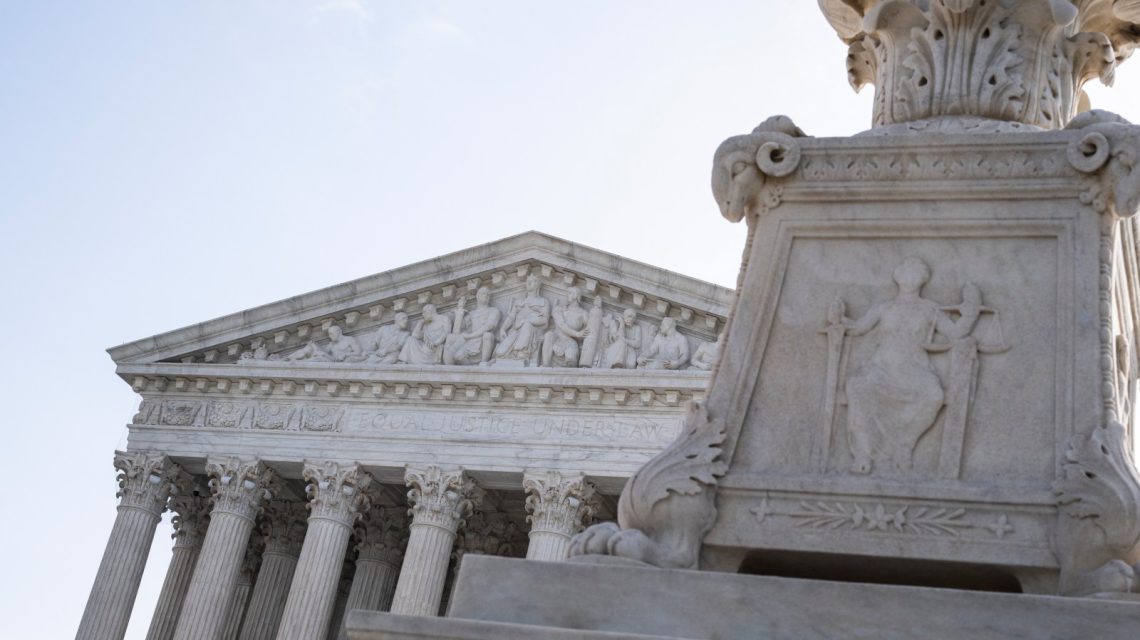
In the 78th Federalist Papers, Alexander Hamilton described the judiciary as the “least dangerous” branch of government. He noted that it lacked both financial and military power. Initially, the Supreme Court only handled a few cases each year. Justices worked part-time, borrowing office space in the Capitol. The role lacked prestige, with some nominees refusing the position.
Today, Supreme Court justices earn over $300,000 and have personal chambers, security, and office staff. Appointed for life, they can serve across numerous presidential terms. They influence core aspects of American life, ruling on about 80 major cases annually. Recent decisions on reproductive rights, affirmative action, and voting rights align with ideological lines, overturning years of legal precedent.
These rulings occur amid ethical concerns involving some justices. Justice Clarence Thomas accepted luxury trips without disclosing them. Justice Samuel Alito received gifts from a billionaire with court cases. Justice Neil Gorsuch and Justice Ketanji Brown Jackson promoted books with significant advances. Meanwhile, all six conservative justices attended a White House dinner amid ongoing related policy decisions.
The Supreme Court now faces credibility issues. A Marquette analysis shows less than half of Americans trust the court, with approval ratings near historical lows. The public seeks reforms, with 75% supporting term limits. Polls show consensus across political affiliations: ongoing unchecked power is unacceptable in this public institution.
No other major democracy provides its constitutional court judges such long tenure. Lifetime appointments create divisive confirmation battles and politically driven retirements. The court seems out of touch with the public. This situation diverges from what the Framers intended.
To address this, the Reform of Bench Eligibility (ROBE) Act proposes 18-year term limits for Supreme Court justices. Regular turnover would lessen the impact of each appointment, reduce political manipulation, and standardize presidential nominations.
Some propose enacting term limits through regular legislation. While important, laws can be repealed by future Congresses. Legal challenges could reach the Supreme Court, where justices may reject their own term limits. A constitutional amendment prevents this, setting a lasting standard.
Creating a constitutional amendment requires broad support. It should embody public and bipartisan agreement. An 18-year limit won’t fix all issues immediately but can restore trust. The court must protect democratic values. This reform is crucial and should occur through a constitutional amendment. Let’s make this change together.
Johnny Olszewski is a Democratic representative for Maryland’s 2nd Congressional District. The views expressed are his own.
 Congressman Randy Fine’s Bold Political Stance and Views on AI Regulation
  Political Messaging and Strategy Leading Up to Midterms
  President Trump Proposes ‘Super Intelligence’ as New AI Term
  Trump Administration Considers Diesel Export Ban Amid Rising Prices
  Texas Senate Race Tightens with Shifting Youth Support
  Flight 93 Hero’s Father Criticizes Ties Between Hasan Piker and Abdul El-Sayed