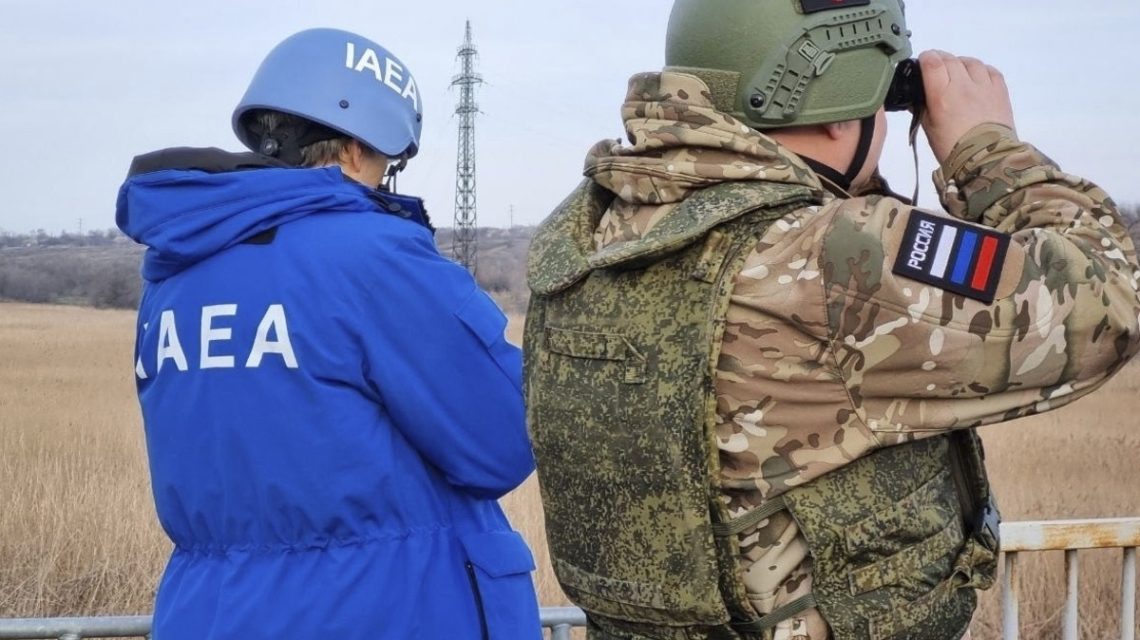
The International Atomic Energy Agency (IAEA) has issued a stark warning about the risks of attacks on nuclear facilities. This comes after reports of a drone strike at the Zaporizhzhia nuclear power plant in southern Ukraine, which is under Russian control. Rafael Grossi, the agency’s chief, expressed grave concerns regarding the reported incident.
If the attack is confirmed, it would be the first drone strike inside the perimeter of Europe’s largest nuclear power plant since April 2024. The warning follows Russia’s accusation that Ukraine deliberately targeted the plant, which Kyiv dismissed as propaganda.
Ukrainian personnel continue to operate the site, situated near the conflict’s front lines. Experts and officials have consistently voiced concerns about the risk of a nuclear mishap at the plant. Russian and Ukrainian sides have faulted each other for putting the facility in danger.
Russian forces gained control of the plant after capturing Enerhodar in March 2022. This followed the start of Moscow’s expansive military campaign against Ukraine.
An overarching fear of a nuclear catastrophe looms over Ukraine. It recently remembered the 40th anniversary of the Chernobyl accident, where at least 30 people died, and millions were exposed to radiation when the disaster occurred near Kyiv, then in the Soviet Union.
Russia Claims Drone Struck Reactor Building
Mikhail Ulyanov, a high-ranking Russian official, reported that U.N. agency experts were inspecting the site, as covered by Russia’s Tass news agency. The IAEA has also requested site access.
Since February 2022, the Zaporizhzhia plant has experienced over twelve instances of losing off-site power, with a significant occurrence in mid-December. Although it is not currently operational, maintaining off-site power is crucial for its safety.
In March 2022, the IAEA introduced “seven indispensable pillars” to uphold nuclear safety in Ukraine during the conflict. These included ensuring constant access to off-site power for all nuclear plants in the country. In May 2023, the U.N. agency proposed “five concrete principles,” emphasizing no attacks from or against the Zaporizhzhia plant, especially near reactor areas.
 Latest Developments in Politics and Policy
  U.S. Airstrike on Iranian Girls’ School: UN Report and Global Reactions
  Cornell University Sexual Assault Investigation Reopened
  British Security Agencies Tackle Plots Linked to Iran as Five London Men Arrested
  The Challenges Facing President Trump: Nuclear Weapons, Climate Change, and AI
  Escalating Conflict Between Russia and Ukraine Intensifies with New Attacks