
After the Parkland school shooting in 2018, there was widespread discussion about making schools a ‘harder target’ by arming teachers. However, research suggests that increasing the presence of guns does not enhance school safety. After the shootings at Marjory Stoneman Douglas High School, experts in school violence, including Matthew Mayer from Rutgers and Shane Jimerson from the University of California, collaborated on an action plan to prevent gun violence. Their proposal is supported by about 200 universities, various national education and mental health groups, and over 2,300 individual experts.
Public Health Approach
Ron Avi Astor from the University of Southern California advocates for a public health approach to preventing school shootings. This involves proactive measures within the community such as lowering bullying and discrimination, conducting threat assessments, and removing the key ‘environmental hazard’—guns. The action plan calls for universal background checks, a ban on assault-style weapons, and the use of Gun Violence Protection Orders, which allow for the temporary removal of guns when there is an imminent threat.
School Climate
Improving school climate is crucial. This term refers to the quality of relationships between students and adults in schools, influenced by discipline approaches, available support professionals, and social-emotional learning. A positive school climate enhances students’ mental and emotional health, reducing the likelihood of violence. Students who bring weapons to school often feel bullied or threatened themselves, and efforts to curb bullying can prevent conflicts from escalating. Evidence supports that improvements in school climate correlate with decreases in bullying and harassment.
The Role of Witnesses
A conducive school climate also affects the role of witnesses. In California, a comprehensive survey shows that many students witness weapons at school. However, if they have strong relationships with adults, they are more likely to report these incidents. A culture of ‘no snitching’ curtails reporting, hindering interventions. Rather than punishing students who bring weapons, schools should use ‘education as intervention’ to address underlying issues and prevent future violence, including self-harm.
Threat Assessment
The public health approach involves an emergency mode called ‘threat assessment’ when violence is reported. After Columbine, the FBI and Secret Service recommended that schools adopt a similar threat assessment to that used by the Secret Service. Since 2013, Virginia requires schools to use threat assessments, which typically involve school officials and police assessing the seriousness of threats. The implementation of threats assessment has been linked to reduced suspensions and bullying, and improved perceptions of safety among students and teachers.
Dewey Cornell from the University of Virginia notes that Virginia’s threat assessment process has shown effectiveness when thoroughly applied, with a majority of threats not being acted upon. The researchers of the Call to Action hope for lasting attention and change, building on previous efforts from incidents like Sandy Hook Elementary School shootings.
 Assessing School Safety Measures: A Look at Active Shooter Drills and Threat Assessment
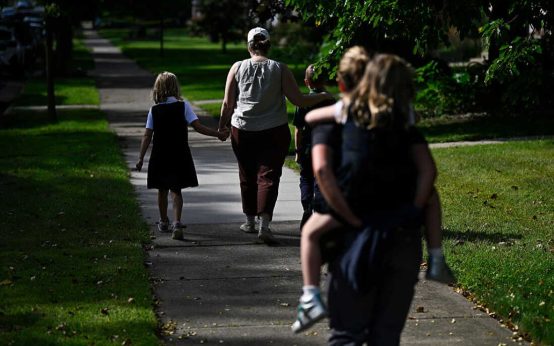 Addressing School Shooting Anxiety: Guidance for Parents
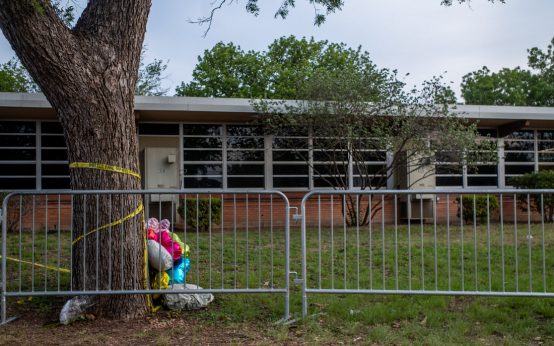 Adapting School Designs for Enhanced Safety
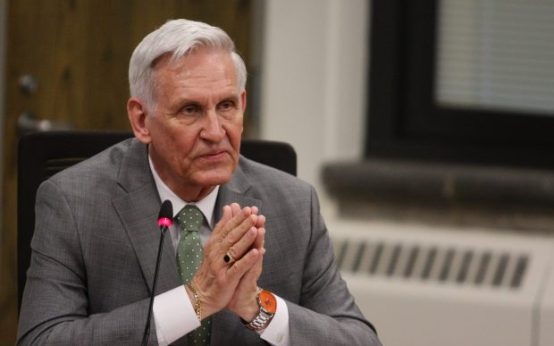 Evanston/Skokie School District 65 Plans Major Changes Amid Financial Challenges
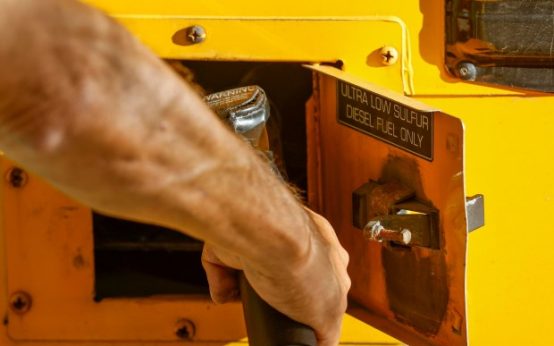 Suburban School Districts Face Budget Challenges Amid Record Diesel Prices
 Denver Mother Advocates for School Choice Through ACE Scholarships