Impact of Rising Diesel Prices on Suburban School Districts
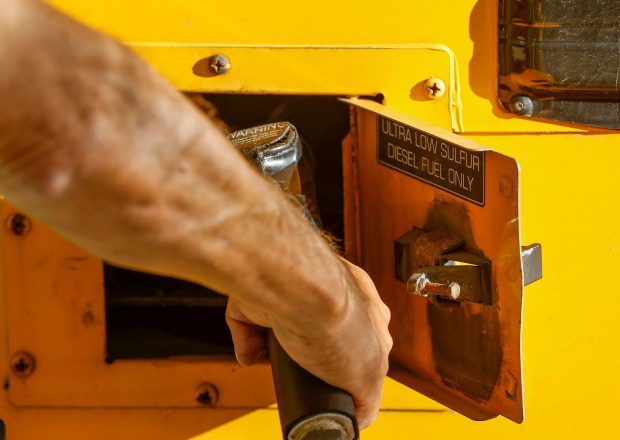
Suburban school districts, particularly those with self-operated bus fleets, are experiencing significant challenges due to surging diesel prices. Various factors, including conflicts in Iran and Ukraine and a power outage at the Joliet ExxonMobil refinery, have driven diesel prices in Illinois to unprecedented levels. On September 23, diesel prices reached a record average of $6.83 per gallon, according to AAA.
As of Thursday, the price has slightly decreased to $6.58 per gallon. Naperville Unit District 203, responsible for transporting about 16,000 students with over 120 diesel-powered buses, is facing financial strain. Lisa Xagas, the district’s assistant superintendent, expressed concern over an anticipated increase of $300,000 in fuel costs for the 2026-27 school year, assuming diesel prices remain high. The district optimized its bus routes in spring, saving approximately 900 miles per day and reducing potential additional costs.
“Right now we are in the phase where we are watching the price of diesel closely and analyzing the impact,” Xagas said.
Naperville 203 has allocated $15.6 million to transportation for the 2026-27 school year, approximately 4.2% of its $370 million budget. Despite having reserve funds to cover the immediate increase, the district anticipates tough decisions will be needed during the 2027-28 budget process if diesel prices remain high.
Currently, there are no plans to purchase nondiesel buses, though an order for electric buses remains unfulfilled. Other districts, such as Elgin Area School District U-46, face similar challenges. Elgin U-46, serving more than 33,000 students with 331 diesel-powered buses, has allocated $2.6 million for fuel expenses in 2027, but lacks precise budget impact estimates due to fluctuating diesel prices.
Alternative Fuel Options Explored
Palatine-Schaumburg Township High School District 211, supporting around 9,000 students, successfully transitioned from diesel to propane ahead of the 2018-19 school year. With 80 propane-fueled buses, the district enjoys substantial savings, as propane costs significantly less per gallon compared to diesel.
“The propane prices that we’re paying have really worked to our advantage in the total spend that we have on fuel in a fiscal year,” said Lauren Hummel.
Evaluating propane and electric alternatives, District 211 opted for propane due to favorable upfront and maintenance costs compared to electric buses, particularly in cold weather. Propane buses offer increased reliability and reduced noise.
St. Charles Community Unit District 303 also made adjustments, shifting toward gasoline-powered buses while maintaining a limited number of diesel vehicles. The district plans minor changes, avoiding diesel buses for longer trips, potentially delaying nonessential transportation expenses in case diesel prices persistently rise.
Environmental and Economic Considerations
Susan Mudd from the Environmental Law & Policy Center advocates for districts moving to electric buses over diesel, considering both financial and environmental impacts. While propane improves air pollutants compared to diesel, it fares worse with carbon monoxide emissions. Despite higher upfront costs, electric buses offer significant fuel savings over time, especially with aid from government-backed programs.
The Environmental Protection Agency’s Clean School Bus Program has allocated $2.6 billion since 2021, supporting over 1,100 districts in acquiring lower-emission buses. Programs like ComEd’s Energy Affordability Program also assist districts with infrastructure-related costs.
District 211 has benefited from federal grants supporting its transition to propane buses, including funds from the EPA’s Clean School Bus Program. Naperville 203, however, faces compounding pressure due to the lack of sufficient state funding. Despite a mandate for the Illinois State Board of Education to reimburse 80% of fuel expenses, inadequate appropriations have resulted in reduced reimbursements, totaling a shortfall of $8.4 million over five years.
Xagas confirmed Naperville 203’s efforts to advocate for additional state funding to offset increased fuel costs.
Future Diesel Price Predictions
Patrick De Haan from GasBuddy mentioned potential diesel price relief due to resumed operations at the Joliet ExxonMobil plant, resulting in a 25-cent reduction per gallon since September 23. However, unclear geopolitical dynamics involving the U.S., Iran, and Ukraine may affect longer-term price stabilization.
 Animal Cruelty Verdict for Canadian Tourist and Political Developments in International and U.S. Politics
 FDA Warning for Graziers Cheese Due to E. Coli Outbreak
 Addressing School Shootings with Children: A Guide for Parents
 Dr. Mehmet Oz Leads Medicaid Fraud Crackdown in NYC
 Evanston High School Band Faces Alleged Abuse During Game
 College Students’ Views on Free Speech and Criminal Prosecution