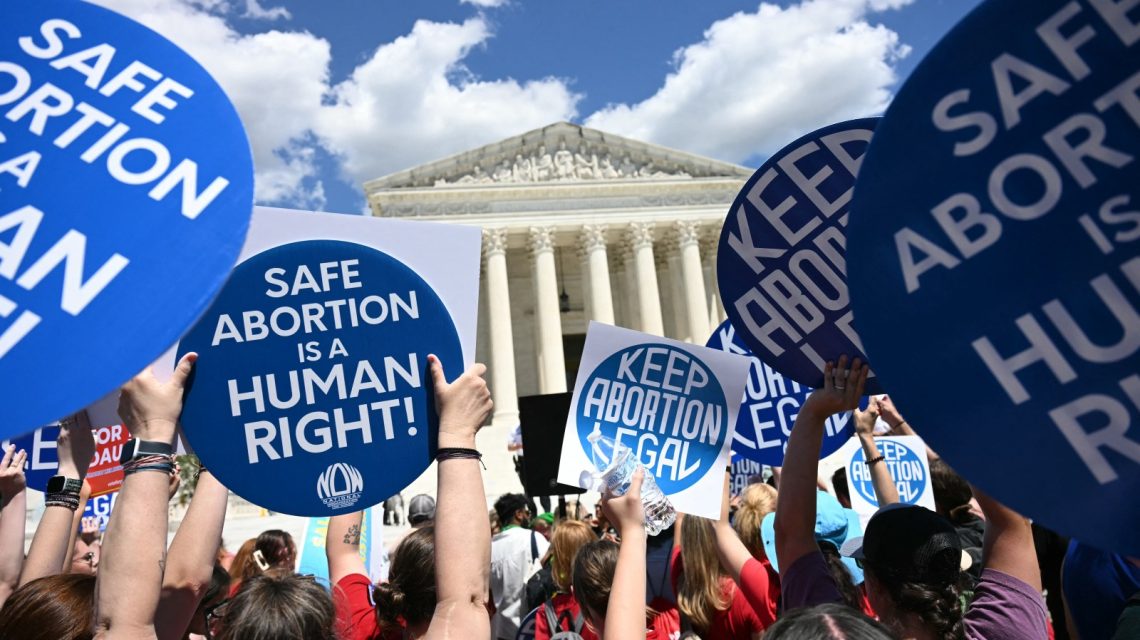
Four years post the U.S. Supreme Court’s elimination of the constitutional right to abortion, data reveals unexpected trends in abortion rates. Despite strict bans in various states, abortion numbers have risen rather than declined as anticipated.
Current Trends in Abortion Numbers
According to estimates, over 1.12 million abortions were performed by U.S. clinicians in 2025. This figure, relatively stable over two years, marks a significant increase of about 21% from 2020, based on the Guttmacher report published earlier this year. The decision on June 24, 2022, had a profound impact on abortion access, removing federal protection and handing regulation power to individual states.
Impact of the Dobbs Ruling
The Supreme Court’s ruling in Dobbs v. Jackson Women’s Health Organization overturned Roe v. Wade, a landmark decision that ensured federal constitutional protection for nearly five decades. This led to a varied landscape of abortion laws across the country, with some states enacting near-total bans and others expanding protections.
Abortion Rates Across States
Data from the Society of Family Planning’s WeCount project shows abortions occurring in every U.S. state, even those with stringent bans. Telehealth services significantly contribute to abortion provision within these states, indicating that formal healthcare channels might underreport actual numbers. Many predicted a nationwide decline in abortions following strict bans, yet data suggest otherwise.
Challenges for Pregnant Women
In states with stringent laws, women face severe difficulties accessing abortion care. In Texas, for example, Amanda Zurawski faced a life-threatening medical situation due to delays caused by harsh laws, ultimately resulting in permanent reproductive damage.
Factors Contributing to Rising Abortion Rates
The rise in abortions is attributed to several factors: expanded telehealth services, increased medication abortion availability, and states actively maintaining or improving access. Telemedicine has made connecting with providers and obtaining medication more accessible, especially in states with restrictive bans.
Moreover, some states provide legal protections and expanded services for both local and out-of-state patients. These conditions create regional care hubs, drawing patients from states with bans. Evidence suggests growth in self-managed abortions outside formal settings, although national data may not fully represent this.
Regional Disparities in Abortion Access
Despite overall increases in abortion provision, significant regional disparities exist. In states enforcing bans, access is limited, forcing residents to travel long distances or seek alternative methods. States where abortion remains legal face increased demand, straining resources as they accommodate patients from restricted areas.
Political Reactions Four Years Later
Various lawmakers and advocates have expressed their positions on the four-year anniversary of the Roe v. Wade reversal. Susan B. Anthony Pro-Life America denounced the strategy post-Dobbs, calling for stricter laws. Conversely, Rep. Jared Moskowitz condemned the decision as a moral failure, urging a unified fight to restore lost protections. Rep. Addison McDowell supports defending unborn life and aiding families nationally.
Future Implications
Data reveal the Dobbs ruling has significantly altered abortion access. Instead of expected declines, the decision initiated a complex restructuring influenced by technology, interstate patient movement, and differing state policies. As legal battles continue, evidence shows restricting access does not diminish demand—it simply relocates care services.
For more information, contact the Newsweek editors overseeing this story.
 A Mother’s Journey: Raising a Son with Down Syndrome
  Potential Impact of Changes to the National Vaccine Injury Compensation Program
  Living with Sickle Cell: The Glover Family’s Journey
  Living with Alzheimer’s: A Young Man’s Journey
  Understanding the Q-Collar: What Athletes Need to Know
  Medicaid Fraud Impacts Autism Services and Military Health Care Program