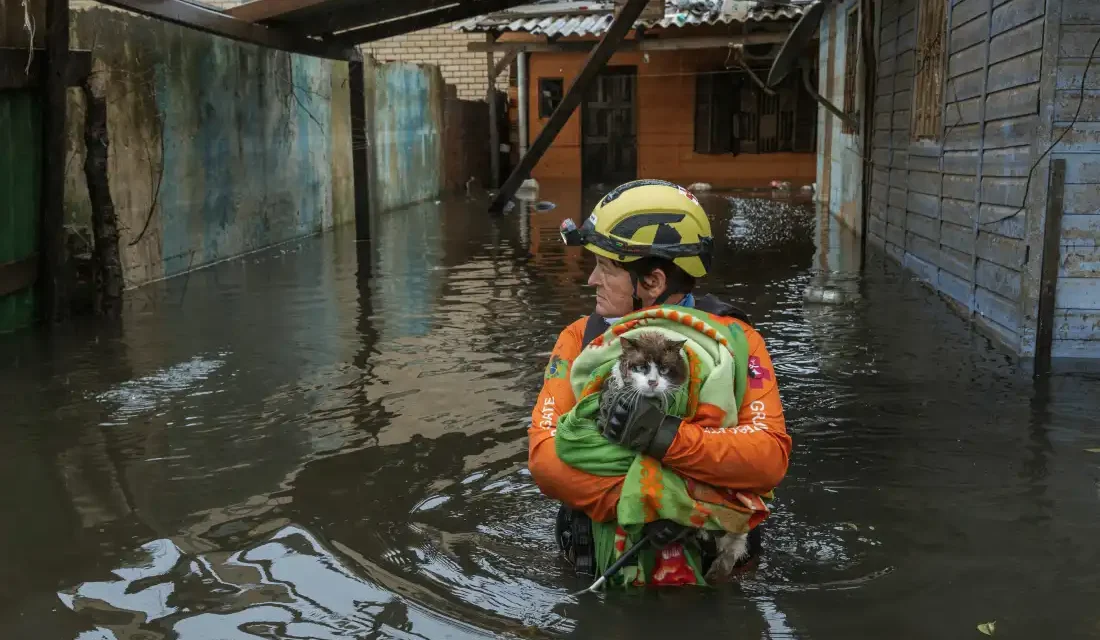
Severe floods hit Rio Grande do Sul, Brazil, in May 2024, displacing thousands of people and animals. Animal rescuers played a crucial role, with images capturing them carrying cats to safety. The floods were triggered by heavy rainfall, causing rivers to overflow.
November 13 is World Kindness Day, a concept introduced by kind-hearted organizations in 1998. The goal is straightforward: do something kind, regardless of its scale. The Small Kindness Movement of Japan was one of the founding groups. They have even awarded a cabbie for removing dangerous trash bags from the road. Another instance included a cleaner bringing a biscuit to a tired doctor amid an emergency room crisis, emphasizing how small actions can carry significant impact.
Erika Pozo, helping her nephew with math homework, exemplifies how simple gestures bring joy and support. In Madagascar, a woman fixing a girl’s hair shows tenderness and connection. A police officer assisting a woman in Guatemala City demonstrates unexpected kindness, as the woman visits the police archive in search of family members.
Maymunah Yusuf Kadiri was a young doctor working amidst chaos in a Lagos State University Teaching Hospital. She vividly recalls a night filled with accident victims. Exhausted after not eating for over 12 hours, an elderly cleaner offered her a biscuit and water, a seemingly small act that reinvigorated her. “That biscuit tasted like hope,” Kadiri reflects.
Juana, an Ecuadorian fruit seller, allows families in financial bind to delay payment. Her customers reciprocate with snacks, underscoring that kindness reciprocates within communities.
Huguette Diakabana recalls dropping out of school until a mysterious benefactor paid her fees. Years later, she launched a scholarship program in Switzerland to honor the unsung hero who empowered her education.
Research in health care technology highlights the ripple effect of kindness. Dr. Junaid Nabi discusses how kindness spreads through social networks. A study witnessed a coffee shop chain in Winnipeg, Canada, where 226 patrons consecutively paid for the next customer’s purchase, showcasing kindness’s contagious nature.
Marta Serra-Garcia’s study, Give Enough or Not at All, explores altruism, emphasizing that people often overestimate the minimum acceptable donation. Perceived appropriateness can deter giving, even among generous-hearted individuals.
Human kindness extends to animals as well. A cowboy in Bolivia rescued baby parrots from a fire-ravaged area, while a couple in Cuba provides food for stray animals. These acts show kindness across species boundaries.
Transcending cultural boundaries, kindness can emerge from various sources. Jeff R. Temple notes that kindness matters in teaching healthy relationships among youth. Studies show that empathetic behavior reduces bullying.
Dr. Junaid Nabi’s experience during the 2013 Savar building collapse in Bangladesh transformed his perspective. Witnessing extreme suffering demonstrated the power of presence and care, shifting his clinical mindset to a more human-focused approach.
Kamala Thiagarajan, a journalist from Southern India, expresses that World Kindness Day serves as more than a symbolic event. It propels change, reminding us to be kinder, and generating further acts of kindness worldwide.
Readers are encouraged to share their stories of life-changing moments due to kindness, providing the potential for follow-up stories.
 Moving Back to the US to Care for My Aging Father
 Repairing Sibling Relationships
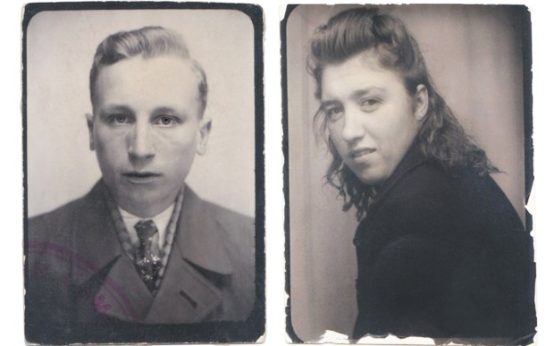 A Journey of Resilience: The Bosy Family Immigration Story
 Defense Secretary Honors Soldier with Medal After Reprimand
 San Francisco Approves New Gay Bathhouse
 Family Dynamics at the Airport