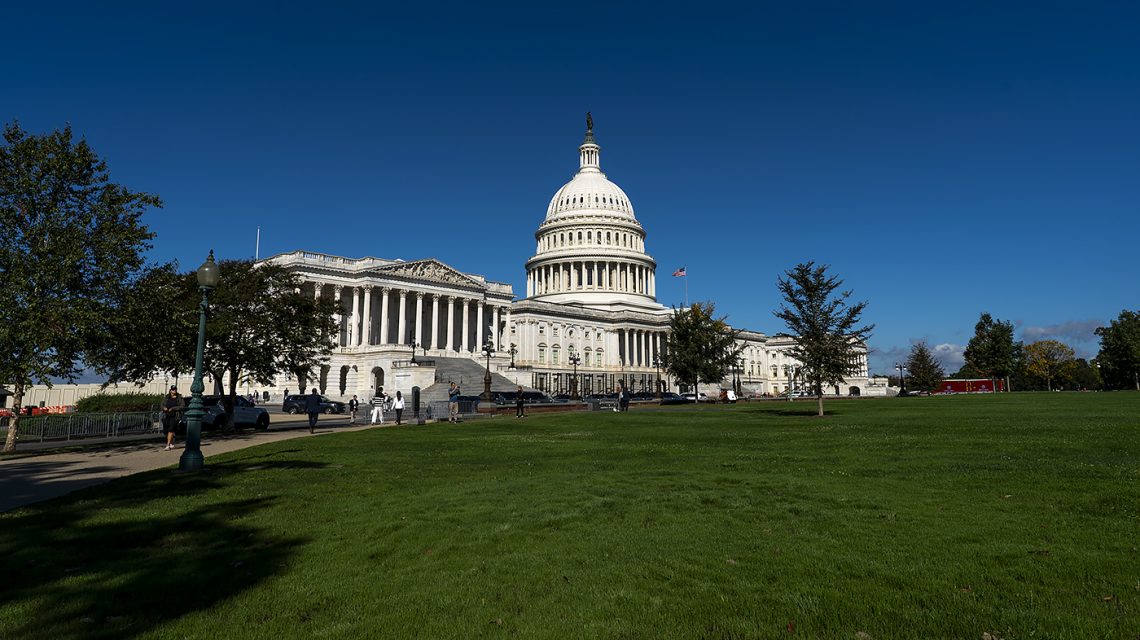
The U.S. Capitol appeared on October 5, 2026, as concerns grow about rural housing shortages, highlighting issues faced by communities across the country. One such example is Holmes County, Ohio, where a physician accepted a job but eventually relocated due to the lack of available housing options. This situation, highlighted in community listening sessions in Wayne and Holmes counties, reveals a major challenge: jobs exist, but housing does not.
The shortage of housing impacts economic development, as evidenced by a study presented to the Millersburg Village Council in August. The findings indicated a need for approximately 858 additional owner-occupied homes and 280 rental units in Holmes County. Currently, only 44% of workers in the county reside there, compared to about 54% in nearby rural areas. Consequently, many workers must commute from elsewhere, complicating recruitment for local employers.
Wayne County exemplifies affordable rental scarcity, offering just 26 available units per 100 extremely low-income households. Statewide, Ohio faces a deficit of approximately 266,000 such homes, as reported by the National Low Income Housing Coalition and the Coalition on Homelessness and Housing in Ohio. This mirrors a national crisis, with only 35 homes available for every 100 extremely low-income households across the U.S., leading to a shortage of 7.2 million homes.
Ohio has seen a net loss of over 62,000 affordable rental units for very low-income residents since 2019, according to the Ohio Housing Finance Agency’s 2026 assessment. For a full-time worker to afford a two-bedroom apartment, they must earn $23.82 per hour, yet the average renter only makes $19.59. This discrepancy affects nurses, line workers, teachers, and young families throughout communities like Medina, Wooster, and Millersburg, reflecting a broader issue beyond Ohio.
Challenges such as high land prices, expensive infrastructure, and outdated development rules make building in small towns difficult. Every cost increment further prices out working families. To address this, Congress must prioritize housing, ensuring more families can put down roots and thrive. Veterans face similar hurdles when relocating, prompting the introduction of the Homes for Heroes Act. This legislation aims to increase the maximum VA loan guarantee for eligible veterans, making housing more accessible.
In July, Congress passed the 21st Century ROAD to Housing Act, representing significant federal housing legislation. This law reduces regulatory delays, modernizes rules for manufactured housing, and enables rental assistance to continue as USDA mortgages mature. The focus now shifts to implementing these measures effectively, ensuring rural communities, including those in Ohio, benefit from federal support.
Efforts must include directing grant money toward smaller communities instead of allowing it to accumulate in larger metropolitan areas. Collaboration with county commissioners and village councils is crucial for making zoning and infrastructure decisions that facilitate development. Additionally, state initiatives like Ohio’s housing tax credit, established in the 2023 budget, play a vital role in financing affordable homes. Initiatives such as The Lafayette in Medina County demonstrate successful partnerships among local leaders, developers, and government.
Replicating this model nationwide will help resolve housing challenges in small communities. Rural areas possess a strong work ethic and require Washington’s support to provide living spaces for their workforce. Ensuring housing accessibility is essential for sustaining the vitality and growth of rural America.
Max Miller represents Ohio’s 7th District in Congress.
 Scrutiny on Voter Fraud Claims in California
 Economic Challenges Influence Upcoming 2026 Midterm Elections
 Signs of Strain in Trump Administration as Fox News Criticism Surges
 Trump Launches Initiatives for Women’s Health Research
 Ohio’s Working Class Poised for Midterms
 Ukrainians in the U.S. Face Uncertainty Over Work Status Amid Policy Changes