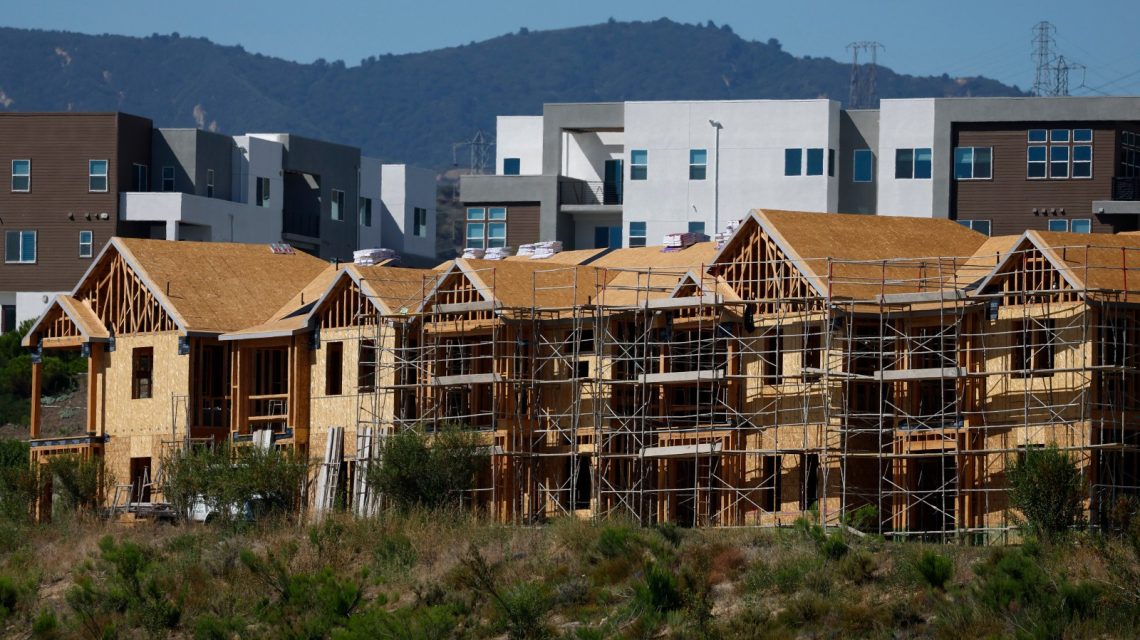
The gap in affordable housing is so extensive that at the current construction rate, it would take over a century to close in 38 out of the 51 largest metropolitan areas, based on a study by the National Multifamily Housing Council and NYU Urban Lab.
More than half of renter households in the U.S., over 22.4 million, are classified as rent-burdened. They spend more than 30% of their income on housing. This is largely due to a shortage of affordable rental options, forcing even households with moderate-to-high incomes to pay beyond their means. For those with extremely low incomes, private housing remains unaffordable without subsidies.
The study indicates this crisis demands significant reform, with a comprehensive solution being generations away. St. Louis faces the longest timeline, where it could take nearly a millennium—956 years—to address the affordable housing deficit. This is far longer than New York City’s estimated 169 years, despite New York being a more expensive market.
“The data make clear that the rental affordability crisis is not one problem—it’s several, each requiring its own set of tools,” stated Caitlin Sugrue Walter, NMHC’s senior vice president of research and innovation.
Recent housing additions in the New York City metro area show improvements, providing more opportunities for low-income renters than in St. Louis. This detail can often get overshadowed in broader discussions about rent growth and housing availability.
Dallas and New York City have managed to build enough housing to lower rents, though this construction primarily impacts market-rate housing, not affordable options for extremely low-income households.
Timelines for Closing the Gap
Only 13 metros could potentially close their affordable housing gap in under a century at the current pace:
- Raleigh-Cary, North Carolina: 45 years
- Charlotte-Concord-Gastonia, North Carolina–South Carolina: 45 years
- Cleveland, Ohio: 49 years
- Salt Lake City-Murray, Utah: 50 years
- Buffalo-Cheektowaga, New York: 52 years
- Minneapolis-St. Paul-Bloomington, Minnesota–Wisconsin: 58 years
- Seattle-Tacoma-Bellevue, Washington: 74 years
- Pittsburgh, Pennsylvania: 78 years
- San Antonio-New Braunfels, Texas: 88 years
- Austin-Round Rock-San Marcos, Texas: 90 years
- Louisville/Jefferson County, Kentucky–Indiana: 91 years
- Denver-Aurora-Centennial, Colorado: 93 years
- Indianapolis-Carmel-Greenwood, Indiana: 98 years
The longest estimated times are:
- St. Louis, Missouri–Illinois: 956 years
- Kansas City, Missouri–Kansas: 630 years
- Birmingham, Alabama: 526 years
- Detroit-Warren-Dearborn, Michigan: 521 years
- Houston-Pasadena-The Woodlands, Texas: 505 years
- Dallas-Fort Worth-Arlington, Texas: 474 years
- Grand Rapids-Wyoming-Kentwood, Michigan: 413 years
- Oklahoma City, Oklahoma: 406 years
- Columbus, Ohio: 389 years
- Boston-Cambridge-Newton, Massachusetts–New Hampshire: 363 years
Solutions for Affordable Housing
The affordable housing shortage is linked to how expensive these properties are to build relative to the profit they bring builders. High barriers and costs discourage private builders, resulting in fewer new homes and higher prices.
Since the 1970s, development costs have surged by three to twenty times in some markets, increasing rents and slowing construction. Recent housing production is averaging 1.4 million units annually, falling more than 600,000 units short of 1970s levels.
Researchers recommend broad local deregulation to cut production costs and encourage new projects, including affordable housing maintenance. Additionally, new subsidized rental housing, expanded rental aid programs, and using the 14 million vacant homes can help close the gap within a generation.
 Former Chicago Bulls Guard Jevon Carter Sells West Town Home
  Understanding Real Estate Fees
  Homeowners’ Guide to Home Equity Loans: Costs and Considerations
 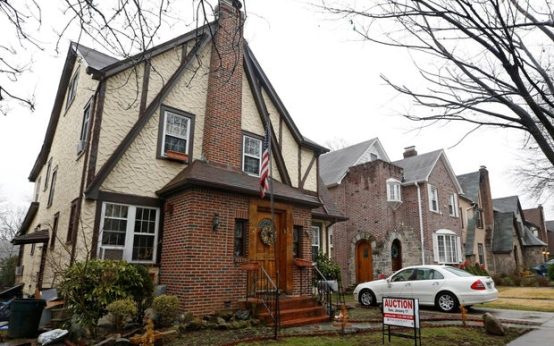 Trump’s Childhood Home Renovated and Sold for Nearly $2 Million
 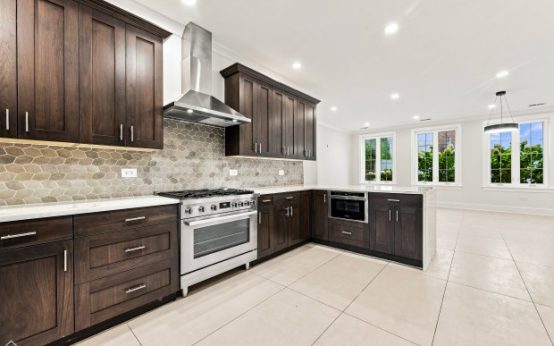 Luxury Five-Bedroom Home for Sale in Edgewater, Chicago
  Skokie Trustees Revise Short-Term Rental Regulations