
The landscape of work is undergoing significant changes due to AI advancements. As of 7 a.m. ET on May 29, new developments and trends are emerging with implications for the workforce.
Automating Entry-Level Positions
Companies are increasingly automating entry-level jobs. This approach may yield short-term benefits but raises concerns about the future talent pool. With fewer entry-level roles, organizations may struggle to develop senior-level professionals over the next decade.
Leadership in the Intelligence Age
The Intelligence Age calls for a shift in leadership. Leaders now need to govern AI systems effectively, oversee emerging risks, and balance human and AI contributions. Traditional supervisory roles are evolving into more strategic responsibilities.
Challenges in AI Integration
Organizations attempting to integrate AI face challenges due to lacking expertise in four critical areas:
- Delegation: Understanding how to allocate tasks between humans and AI.
- Description: Being able to clearly define AI functions and capabilities.
- Discernment: Identifying which decisions are best suited to AI.
- Diligence: Consistently monitoring and refining AI performance.
Expert Insights and Perspectives
Explore further discussions on AI Transformation and the Future of Work through curated articles and expert viewpoints. These insights can help you understand and navigate the evolving workplace.
 President Trump Proposes ‘Super Intelligence’ as New AI Term
  First Lady Melania Trump’s AI Education Push Amid Concerns
  Expansion of Data Centers Fueled by AI Development
  Beijing’s Tactical Undermining of U.S. Supremacy Through AI
 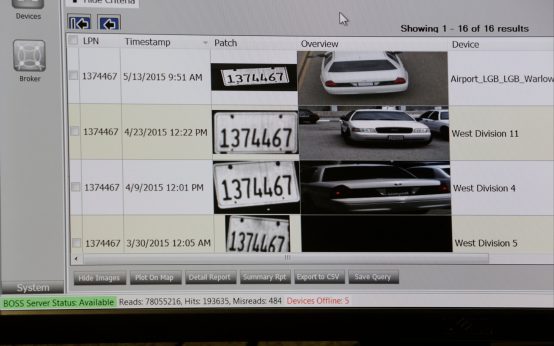 Controversy Surrounds Automated License Plate Readers Across the U.S.
  Trump and Harp Sued Over Truth Social Subscriber Program