America’s Catholic Bishops’ Supreme Court Appeal
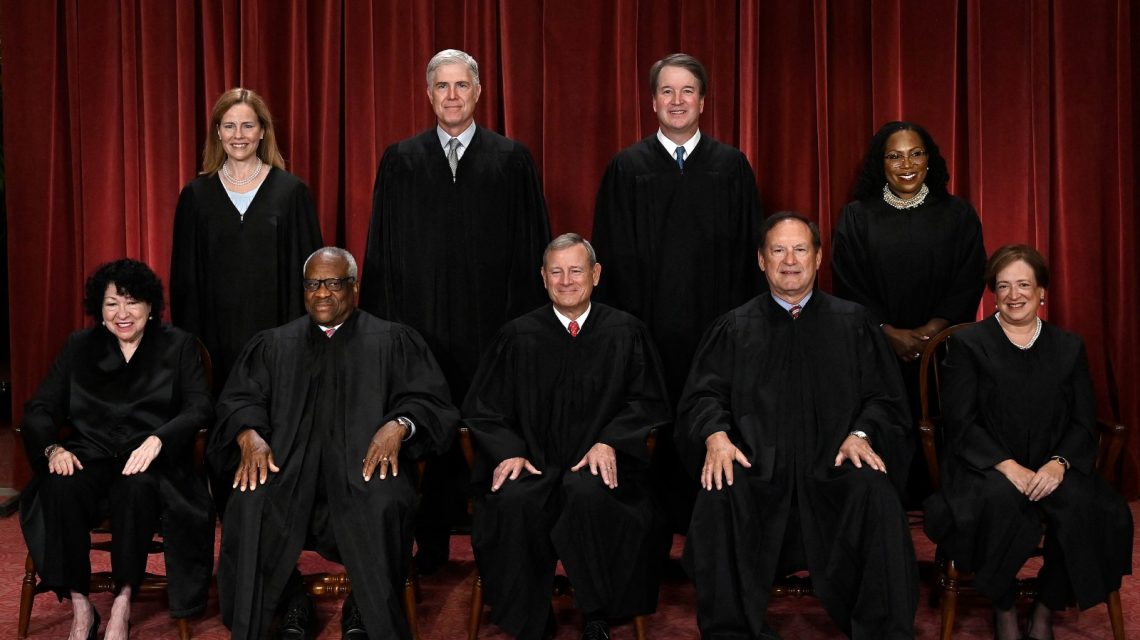
America’s Catholic bishops are urging the Supreme Court to mandate changes to Florida’s jury formation in criminal cases. They argue the current six-member jury system violates the U.S. Constitution. Florida law limits 12-member juries only to capital cases, leaving other criminal cases with smaller juries.
Background on Kian’s Case
The Supreme Court is hearing a case from Hamed Kian, who was convicted by a six-member jury. The case challenges this practice, citing a violation of the Sixth Amendment right. Briefs supporting Kian have been filed by several organizations, including the American Civil Liberties Union and the Catholic bishops. The United States Conference of Catholic Bishops filed an amicus brief disputing the legal structure defended by Florida and other Republican-led states. They assert the original meaning of the Constitution’s jury-trial right requires 12 jurors.
Kian, a chiropractor from Florida, faced charges under the state’s laws after being tried by a six-member jury. He argues that serious criminal charges should obligate a 12-member jury under the Sixth and 14th Amendments. Details around the trial involve allegations of practicing chiropractic medicine without a valid license, supported by patient records and testimonies. Kian was convicted on all counts and received a combined sentence of imprisonment and probation.
Historical Context and Bishops’ Views
Historically, both England and the United States utilized 12-member juries in criminal cases. However, the ruling in Williams v. Florida in 1970 allowed for smaller juries, citing that the Constitution does not explicitly require a jury to consist of 12 people. Florida leverages this decision to employ smaller juries in noncapital cases.
Kian’s attorneys emphasized a Supreme Court ruling in 2020, Ramos v. Louisiana, which necessitated unanimous jury verdicts in state criminal cases—an argument that undermines Williams. They advocate for a return to a 12-person jury to align with the Constitution’s original public meaning.
The Catholic bishops highlight their role in shaping criminal justice systems with 12-member juries, arguing a return to this interpretation. The bishops’ brief referenced historical records indicating ‘jury’ meant a group of 12 since the founding era. It challenges Williams by arguing historical foundations were ignored.
Florida’s Defense and Broader Implications
Florida defends its jury system against reconsideration, urging the Court to uphold the Williams precedent. The state maintains thousands of cases could be affected if the court decides otherwise. It argues smaller juries perform similarly to larger ones, supported by conviction statistics.
Florida notes that six states utilize these smaller juries. The state’s attorneys argue that smaller jury sizes were permissible but unanimity remains central, with Williams confirming this.
Conservative Legal Debate
The case emerges amid increasing interest in originalism among conservative scholars and justices. Justice Neil Gorsuch’s skepticism regarding smaller juries has been noted in legal circles, highlighting a divide among conservatives over jury system structure and historical interpretation.
This case creates a split between those advocating historical adherence and those seeking stability in current legal practices. The outcome may reshape criminal procedures in several states if a historic interpretation prevails.
Significance of the Case
A decision favoring Kian could transform jury requirements, impacting past convictions from smaller jury decisions. Alternatively, affirming Florida’s system would retain current practices, granting states leeway in jury formation.
The case uniquely places Catholic bishops and Republican-led states on opposing sides in front of a conservative Supreme Court. The pending decision will test the court’s adherence to originalist interpretations versus established practices in criminal justice.
 Potential Democratic Candidates for 2028 Presidential Race Emerge
  Rep. Byron Donalds Aims to Make History in Florida Governor Race
  Brazil’s Presidential Election Heads to Runoff
  Sen. Thom Tillis Critiques Trump Administration and Reflects on Political Career
  Trump Forms Task Force to Address Artificial Intelligence
  Indiana House District 19 Race: Olthoff vs. Neal